Trump Announces U.S. to Resume Nuclear Weapons Testing, Citing Russia & China
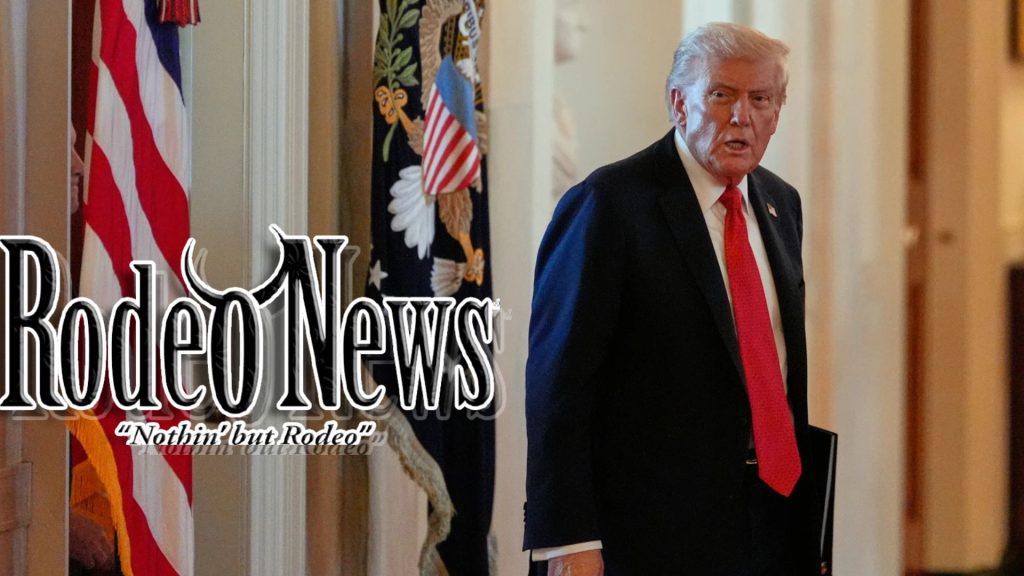
In a startling pivot of U.S. policy, President Donald Trump announced that he has instructed the United States Department of Defense (the Pentagon) to resume nuclear weapons testing — the first such move since the United States’ self-imposed moratorium in 1992.
The announcement came via a post on his social media platform, declaring that the United States must test “on an equal basis” with Russia and China, in light of what he described as other nations’ ongoing testing programs.
What the announcement says
President Trump did not provide detailed timelines, locations, or specific types of testing. He told reporters that sites for the tests exist and that further details “will be announced.”
He framed the policy shift as a response to global developments, particularly citing the nuclear weapons and delivery-system programs of Russia and China as justification.
Why this is significant
- The United States last conducted a full nuclear explosive test in 1992, ending a long-standing moratorium.
- The policy change breaks with decades of practice aimed at limiting nuclear escalation and supporting arms-control frameworks.
- Experts warn the move could trigger a new arms race, undermine treaty-based norms, and strain international alliances. One critic noted the U.S. “has no technical, military, or political reason to resume nuclear explosive testing.”
Reactions and implications
- The Arms Control Association and other arms-control groups expressed strong concern, saying the announcement could erode trust in U.S. commitments and provoke escalation.
- Russia, while denying it has conducted nuclear explosive tests, declared that if the U.S. restarts testing, Moscow “would act accordingly.”
- China’s foreign ministry urged the U.S. to honour its obligations under the Comprehensive Nuclear Test‑Ban Treaty (CTBT), even though the U.S. has not ratified it.
What comes next
With so few details yet made public, a number of questions remain:
- What kinds of tests will be conducted — full explosive detonations or sub-critical experiments?
- Where will the tests occur, and under what timeline?
- How will U.S. allies respond, and what effects will this have on global nuclear diplomacy?
- Could this decision prompt parallel action by Russia, China or other nuclear-armed states?
The decision may mark a sharp turn in U.S. nuclear posture, with far-reaching consequences for strategic stability, treaty regimes and global arms competition.
Latest on Trump’s nuclear‑testing announcement