India and the US Move Closer to a Trade Breakthrough
Title Separator Site title
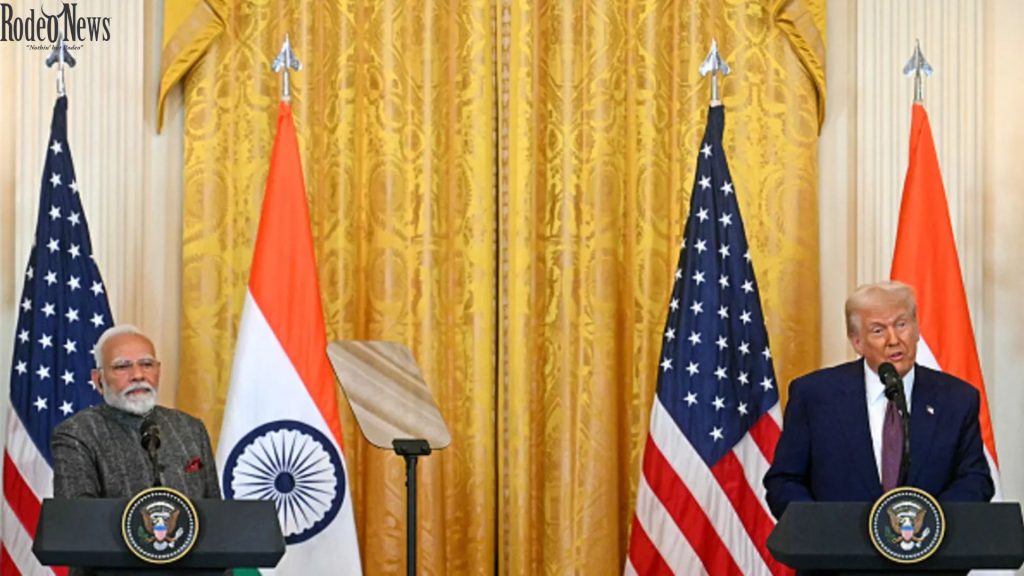
The long‑running trade drama between India and the United States appears to be shifting into a new phase. After months of tension — driven in large part by India’s large imports of Russian crude and U.S. concerns over that practice — the two countries are now edging toward a deal. A key concession by India: cutting back on its purchases of Russian oil. In return, Washington is signalling potential tariff relief and a move toward a broader, more constructive trade relationship.
The Background: Tariffs and Oil Imports
In August 2025 the U.S. government imposed additional duties on Indian imports, citing India’s increased intake of Russian crude as one of the main triggers. Donald Trump’s administration raised tariffs on Indian goods to 50% — including a 25% “penalty” linked directly to Russian‑oil purchases.
U.S. officials accused India of “arbitrage” — buying discounted Russian oil and exporting refined products — thereby indirectly funding Russia’s war effort in Ukraine. India countered that its imports were based on energy‑security and market dynamics, and accused the U.S. of double standards.
India’s Shift: Reducing Russian Crude Imports
Recent data show a meaningful shift in India’s energy imports. Some Indian state‑owned refiners dropped their Russian crude intake by more than 45% between June and September 2025. Overall, Russia’s share of Indian crude imports fell to about 20% for those firms in that period.
This reduction appears to be driven by a combination of narrowing discounts on Russian crude, supply‑chain risks and an emerging geopolitical price to those purchases.
What the U.S. Sees: A Path to Lowering Tariffs
For Washington, India’s cutback provides an opening. U.S. trade negotiators have indicated that one condition for tariff relief and a meaningful deal is that India materially reduce its purchases of Russian oil.
By aligning India more closely with U.S. and Western energy‑policy goals, the White House aims to relieve some bilateral friction and re‑energise stalled trade talks.
What India Gains and Risks
Advantages:
- A possible reduction in U.S. tariffs which have threatened to undercut Indian exports in labour‑intensive sectors.
- Improved access to U.S. markets, investment and deeper strategic cooperation.
- Enhanced position in global diplomacy: balancing between Russia, the U.S. and other major powers.
Risks / Challenges:
- Energy security risk: switching away from Russian crude may raise costs or supply uncertainty for India’s large refining sector.
- Domestic industrial pressure: Indian exporters face sharply higher U.S. tariffs if no deal materialises, which could harm jobs & growth.
- Geopolitical balancing act: India must navigate its historical ties with Russia, rising expectations from the U.S., and its own independent energy & foreign‑policy priorities.
Looking Ahead
While India has not openly committed to an immediate termination of Russian oil imports, the downward trend in Russian volumes signals willingness to reposition. These developments suggest:
- A trade agreement between India & the U.S. could be nearer than expected — but will depend on measurable progress.
- India may accelerate diversification of oil sources towards the Middle East or elsewhere to reduce dependence on Russia.
- U.S. tariffs might be relaxed in stages — potentially offering India tariff reductions if it meets agreed milestones.
Conclusion
The evolving dynamic between India and the U.S. exemplifies how energy‑import decisions are now deeply intertwined with trade and geopolitics. India’s reduction in Russian crude imports is more than an energy pivot — it is a calculated move in the broader bilateral trade chess game. If both sides play it well, the payoff could be a deeper, more strategic India‑U.S. partnership; if not, the risks include heightened economic costs for India and increased geopolitical frictions