Ozempic Generics Threaten Novo Nordisk in Canada
Novo Nordisk is facing a growing challenge in one of the world’s hottest pharmaceutical markets as Canada opens the door to generic versions of Ozempic. The Danish drugmaker, known globally for blockbuster GLP-1 drugs Ozempic and Wegovy, is now confronting rising competition after Canadian regulators approved additional generic semaglutide products.
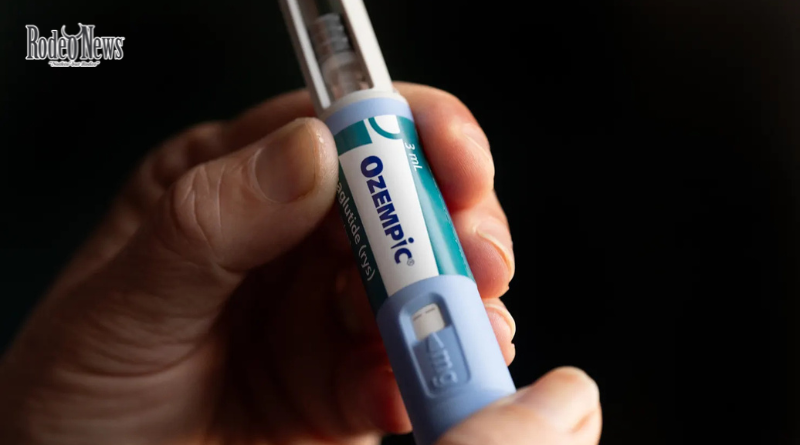
The development could reshape the Canadian obesity and diabetes treatment market while increasing pressure on Novo Nordisk’s pricing power. It also highlights how competition in the GLP-1 industry is accelerating globally as patents expire and generic manufacturers move aggressively into the market.
Novo Nordisk Faces a Critical Turning Point
Novo Nordisk has become one of the pharmaceutical industry’s biggest success stories over the past several years. The company transformed the global diabetes and obesity market with semaglutide-based medications, including Ozempic for diabetes and Wegovy for weight management.
Demand for these drugs surged worldwide as studies showed patients could lose significant body weight while improving blood sugar control. That explosive popularity helped Novo Nordisk become one of Europe’s most valuable companies.
However, the company’s dominance is now under pressure.
Canada recently approved a second generic version of semaglutide, allowing more pharmaceutical companies to enter the market. The latest approval went to Canadian drugmaker Apotex, joining India-based Dr. Reddy’s Laboratories, which previously received authorization for a generic version of Ozempic.
The approvals represent a major shift because semaglutide has historically been protected by Novo Nordisk patents.
Why Canada Became the First Major Battleground
Canada emerged as an early target for generic semaglutide manufacturers after Novo Nordisk reportedly failed to maintain certain patent protections in the country. As a result, opportunities opened for competing companies to introduce lower-cost alternatives sooner than expected.
The situation differs from the United States and Europe, where semaglutide patents are expected to remain protected until around 2031.
That means Canada could become one of the first developed markets where generic competition significantly impacts GLP-1 drug pricing.
Healthcare analysts believe lower-cost generics may rapidly gain traction because Ozempic remains expensive for many patients. Generic alternatives could dramatically reduce costs for diabetes treatment while improving accessibility for Canadians struggling with obesity and metabolic diseases.
According to reports, pricing agreements in Canada could push generic semaglutide products to around half the price of branded Ozempic once multiple generic versions are available.
The GLP-1 Market Is Becoming Increasingly Competitive
Novo Nordisk is not only battling generics in Canada. The company is also facing intensifying global competition from rival pharmaceutical firms.
American drugmaker Eli Lilly has aggressively expanded its own obesity drug portfolio with Mounjaro and new oral GLP-1 medications. Analysts believe the obesity treatment market could eventually exceed hundreds of billions of dollars globally, attracting fierce competition from nearly every major pharmaceutical company.
At the same time, several generic drugmakers are preparing semaglutide launches in multiple countries.
Industry reports indicate companies including Sandoz, Teva Pharmaceuticals, Aspen Pharmacare, and Biocon are exploring generic semaglutide opportunities across global markets.
This wave of competition could eventually squeeze profit margins for Novo Nordisk.
Strong Demand Still Supports Novo Nordisk
Despite competitive threats, Novo Nordisk continues to benefit from enormous demand for GLP-1 drugs.
The company recently reported exceptionally strong sales for its oral Wegovy pill, describing the launch as one of the fastest in weight-loss drug history. Prescriptions reportedly surged into the hundreds of thousands within weeks of launch in the United States.
Novo Nordisk also raised its financial guidance after stronger-than-expected demand for the pill version of Wegovy. Investors viewed the launch as an important opportunity for the company to defend its market position against Eli Lilly.
Still, analysts warn that booming prescription numbers may not fully offset mounting pricing pressure.
Competition from generics in Canada and low-cost alternatives in other regions could gradually reduce Novo Nordisk’s ability to command premium pricing. Some investors are increasingly concerned that the company may be entering a long-term pricing war.
Generic Semaglutide Could Expand Access
For patients, however, the arrival of generic semaglutide may provide significant benefits.
Ozempic and Wegovy have faced criticism for high costs and limited insurance coverage in many countries. Demand often exceeded supply, creating shortages that frustrated both patients and healthcare providers.
Lower-priced generics could improve access to treatment for millions of people managing Type 2 diabetes and obesity.
Healthcare experts say broader competition may also encourage innovation as pharmaceutical companies race to develop improved GLP-1 medications with better effectiveness and fewer side effects.
Canada’s decision to approve additional generic products could therefore become a model for other healthcare systems seeking to lower drug costs while expanding patient access.
Investors Closely Watching Novo Nordisk
Investors are now monitoring whether Novo Nordisk can maintain growth while defending market share.
The company has already experienced volatility in recent months as concerns about competition intensified. Reports indicate Novo Nordisk lost substantial market value during periods of investor uncertainty tied to obesity drug competition and pricing risks.
Still, Novo Nordisk remains one of the strongest players in the global pharmaceutical industry due to its extensive diabetes portfolio, research pipeline, and manufacturing scale.
The company is also exploring alternative strategies to protect its position. Reports suggest Novo Nordisk could introduce additional branded semaglutide products at lower prices to compete directly with generics in Canada.
Such a strategy would mirror tactics used in other pharmaceutical markets where branded companies launch “authorized generics” or discount products to preserve customer loyalty.
Canada’s Decision Could Influence Global Drug Markets
The broader pharmaceutical industry is closely watching Canada because the country may provide an early preview of what future GLP-1 competition could look like globally.
If generic semaglutide rapidly gains market share, investors may rethink long-term revenue expectations for blockbuster obesity drugs.
At the same time, success for generic manufacturers in Canada could encourage regulators and healthcare systems elsewhere to accelerate approvals once patents expire in other countries.
The stakes are enormous because obesity drugs are expected to remain one of the fastest-growing segments in healthcare for years to come.
Novo Nordisk and Eli Lilly currently dominate the market, but that leadership may become harder to maintain as cheaper alternatives emerge.
The Future of Ozempic and Wegovy
Even with rising generic competition, experts believe Novo Nordisk’s products will remain highly influential.
Brand recognition, physician trust, and continued innovation still provide major advantages for the company. Many patients may also prefer branded medications if they perceive them as safer or more effective.
However, pricing pressure appears unavoidable.
As Canada expands approvals for generic semaglutide, pharmaceutical companies worldwide are likely preparing for a future where obesity and diabetes drugs become increasingly commoditized.
For Novo Nordisk, the challenge now is balancing rapid growth with the reality of a changing competitive landscape.
The company helped create the modern GLP-1 revolution. The next phase of that revolution may depend on whether it can continue leading while lower-cost rivals close in.