UN Secretary-General Race: 4 Candidates Revealed as Global Stakes Rise
The race to select the next leader of the United Nations has intensified, with four prominent figures emerging as UN secretary-general candidates ahead of a pivotal decision expected later this year. As global conflicts escalate and trust in international institutions faces mounting pressure, the stakes for choosing the next UN chief have rarely been higher.
The four candidates—Michelle Bachelet of Chile, Rafael Grossi of Argentina, Rebeca Grynspan of Costa Rica, and Macky Sall of Senegal—are competing to replace current Secretary-General António Guterres, whose term concludes at the end of 2026.
Each contender brings a unique vision for revitalizing the United Nations, focusing on peacebuilding, development, and institutional reform in an increasingly fragmented world.
Michelle Bachelet: Experience and Human Rights Focus
Michelle Bachelet, a former president of Chile and ex-UN High Commissioner for Human Rights, is one of the most recognized UN secretary-general candidates. Her campaign emphasizes crisis prevention, human rights, and gender equality.
Bachelet has highlighted the need for proactive diplomacy, arguing that the UN must act earlier to prevent conflicts rather than responding after crises escalate. Her candidacy also aligns with growing calls for the organization’s first female leader.
However, she faces political challenges, including criticism from some governments over past positions on sensitive international issues.
Rafael Grossi: Diplomatic Pragmatism and Global Security
Rafael Grossi, head of the International Atomic Energy Agency (IAEA), is widely seen as a strong contender among the UN secretary-general candidates. Known for his diplomatic work on nuclear issues, including negotiations involving Iran and Ukraine, Grossi promotes practical, results-driven leadership.
He has stressed the importance of restoring the UN’s credibility and effectiveness, arguing that strong leadership is essential to address global security threats. His broad connections with major world powers could prove advantageous during the selection process.
Rebeca Grynspan: Reform and Economic Expertise
Rebeca Grynspan, a former vice president of Costa Rica and current head of the UN Conference on Trade and Development (UNCTAD), brings a strong economic and development-focused perspective.
Her campaign centers on reforming the UN system to better address inequality, debt crises, and global economic instability. Grynspan has also positioned herself as a candidate for change, advocating for bold leadership and institutional transformation.
If elected, she would become the first woman to serve as UN secretary-general—a milestone that many member states and advocacy groups strongly support.
Macky Sall: Global South Representation
Macky Sall, former president of Senegal, represents a different approach among the UN secretary-general candidates. He emphasizes the importance of giving a stronger voice to developing nations, particularly in Africa and the Global South.
Sall has called for greater trust-building and cooperation among member states, as well as reforms to make the UN more inclusive and representative. His candidacy challenges the informal tradition of regional rotation, which currently favors Latin America for the role.
A Critical Moment for Global Leadership
The emergence of these UN secretary-general candidates comes at a time of significant global uncertainty. Conflicts in regions such as Ukraine, Gaza, and Sudan have tested the UN’s ability to maintain peace and security.
At the same time, economic instability, climate change, and humanitarian crises continue to strain international cooperation. Many observers argue that the next UN chief must not only manage these challenges but also restore confidence in the organization’s effectiveness.
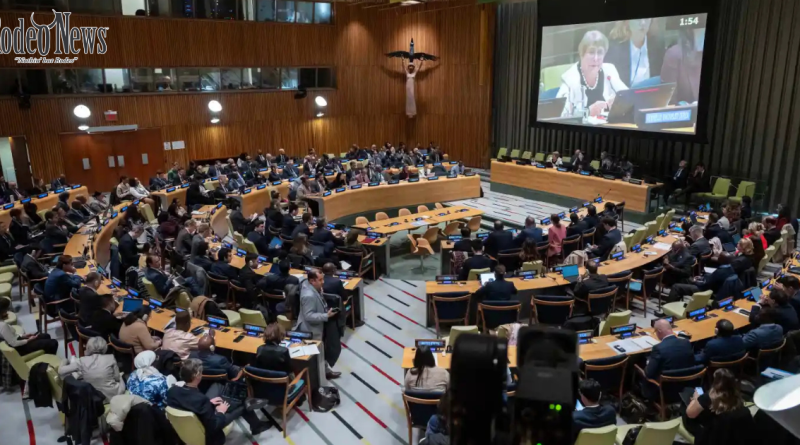
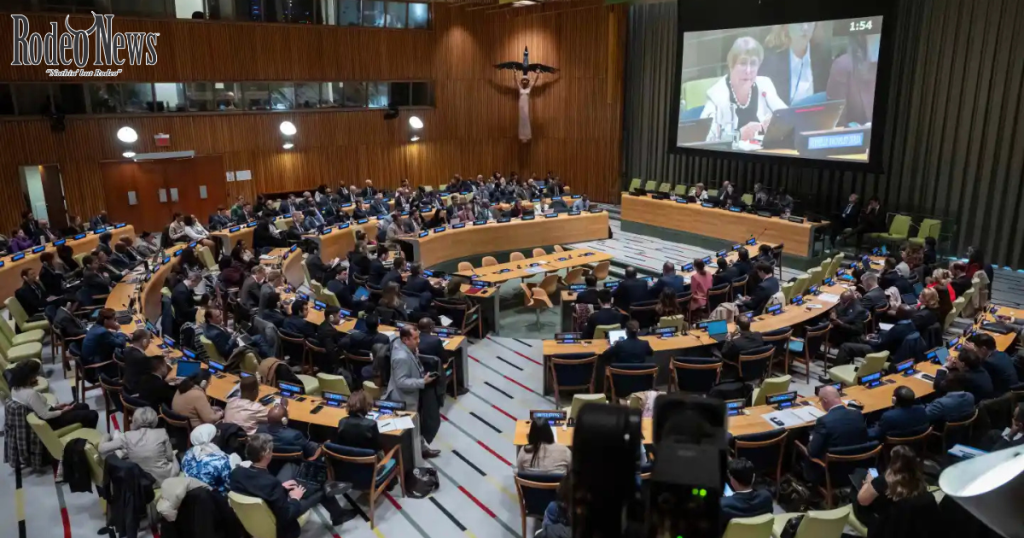
Public question-and-answer sessions with UN ambassadors have provided candidates with an opportunity to present their visions. During these dialogues, each contender has outlined plans to strengthen the UN’s core pillars: peace, development, and human rights.
No Clear Front-Runner—Yet
Despite the high-profile nature of the race, analysts note that no single candidate has emerged as a clear favorite. The selection process is complex and heavily influenced by geopolitical dynamics, particularly the role of the UN Security Council.
The five permanent members—China, France, Russia, the United Kingdom, and the United States—hold veto power, making their support crucial. As a result, candidates must balance their policy positions with diplomatic considerations to gain broad international backing.
Observers also point out that the relatively small number of candidates—just four compared to 13 in 2016—reflects the challenging global environment and the immense demands of the role.
Calls for Reform Dominate the Agenda
A common theme among the UN secretary-general candidates is the urgent need for reform. Critics argue that the organization has struggled to respond effectively to modern challenges, including geopolitical tensions and emerging global threats.
Candidates have proposed various reforms, including:
- Improving the UN’s ability to prevent conflicts
- Enhancing transparency and accountability
- Strengthening coordination among UN agencies
- Addressing inequalities in global development
These proposals reflect widespread recognition that the UN must adapt to remain relevant in a rapidly changing world.
The Push for a Female Secretary-General
One of the most significant aspects of the current race is the possibility of electing the first female UN secretary-general. Both Michelle Bachelet and Rebeca Grynspan are strong contenders, and their candidacies have energized advocacy groups pushing for gender equality in global leadership.
Supporters argue that appointing a woman to the role would not only break a historic barrier but also bring fresh perspectives to international diplomacy.
Current Secretary-General António Guterres has previously expressed support for gender equality, further highlighting the importance of this issue in the selection process.
How the Selection Process Works
The process of choosing the next UN chief involves multiple stages. First, candidates participate in informal dialogues with member states, where they present their vision and answer questions.
The UN Security Council then conducts a series of secret ballots to narrow down the field. Ultimately, the council recommends a candidate to the General Assembly, which formally appoints the new secretary-general.
While the process is designed to ensure consensus, it often reflects broader geopolitical considerations, making the outcome difficult to predict.
Challenges Facing the Next UN Leader
Whoever emerges from the pool of UN secretary-general candidates will face a daunting set of challenges, including:
- Managing ongoing global conflicts
- Addressing climate change and environmental crises
- Tackling economic inequality and debt issues
- Strengthening international cooperation
In addition, the next leader will need to navigate complex relationships with major powers while maintaining the UN’s neutrality and credibility.
What Happens Next?
As the race continues, candidates are expected to intensify their campaigns, engaging with member states and refining their policy proposals.
The final decision is likely to come later this year, following deliberations by the Security Council and the General Assembly. Until then, the competition among the UN secretary-general candidates remains open and highly dynamic.
Conclusion
The race among the UN secretary-general candidates represents a critical moment for global governance. With four experienced leaders offering different visions for the future, the decision will shape the direction of the United Nations for years to come.
While the challenges are immense, the selection process also offers an opportunity to renew the organization’s mission and strengthen its role in addressing the world’s most pressing issues.
As the international community watches closely, one thing is clear: the next UN secretary-general will inherit both a complex global landscape and a vital responsibility to guide the world toward greater cooperation and stability.