Target Shares Drop 5% in Shocking Halloween Row
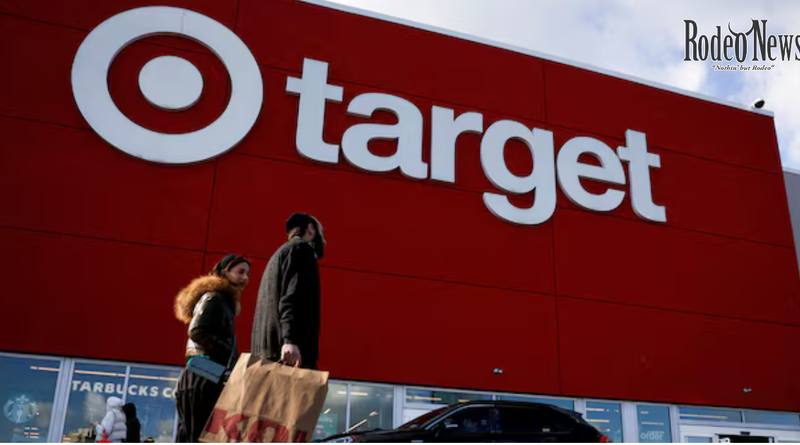
Target shares drop 5% in early trading after the retailer faced a new wave of backlash over a children’s Halloween costume that critics said evoked racist imagery. The sharp market reaction came one day after Target apologized, removed the costume from sale and acknowledged that the product should never have been included in its assortment.
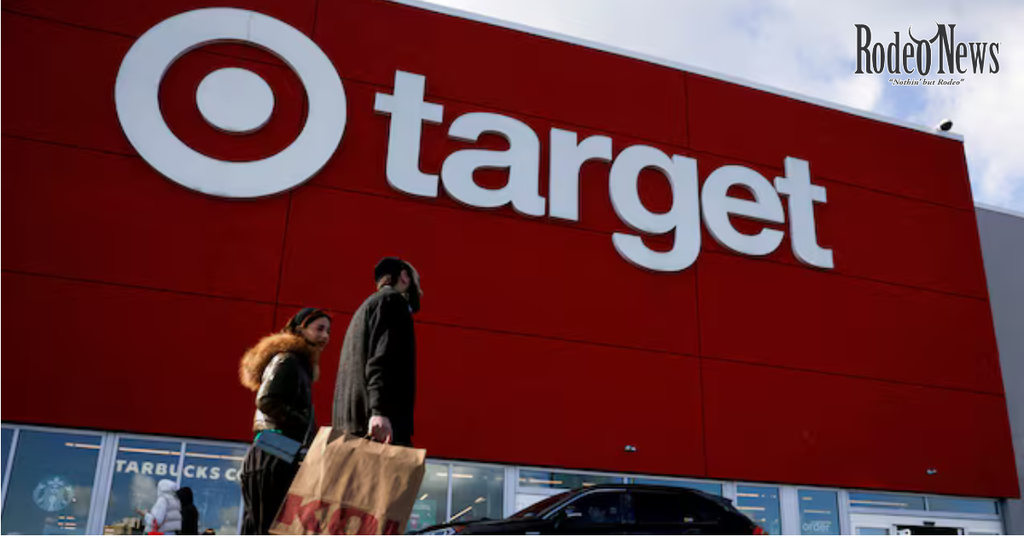
The controversy adds another challenge for Target as the retailer tries to rebuild consumer confidence and strengthen its financial performance. The company has recently shown signs of recovery under new CEO Michael Fiddelke, making the latest brand crisis particularly significant for investors.
The Halloween dispute also arrives after several high-profile controversies involving Target in recent years. Those episodes have made the retailer especially sensitive to questions about brand identity, customer loyalty and corporate decision-making.
Target Shares Drop 5% After Halloween Costume Backlash
Target shares fell about 5% in early trading on Tuesday, August 25, after the company apologized for the controversial costume. The decline followed a day of intense criticism on social media and renewed calls from some consumers for a boycott.
The product was marketed as the “Kids’ Glows Under Blacklight Circus Clown Halloween Costume.” Critics argued that elements of its appearance resembled Blackface and minstrel-show caricatures, prompting widespread criticism.
Target subsequently removed the product from sale.
In a statement issued Monday, the company said it was “deeply sorry” and acknowledged that the costume was offensive. Target also said it understood that the incident was particularly hurtful to Black customers, employees and business partners.
The company said removing the costume was only the first step. It also promised to examine how the product entered its assortment and determine what changes were necessary to prevent a similar incident.
Why Target’s Halloween Costume Sparked Outrage
The controversy centered on the visual design of the costume and the way it was presented in Target’s marketing materials.
Critics said the combination of the costume’s dark-colored elements, exaggerated facial imagery and presentation evoked racist stereotypes associated with Blackface and historic minstrel performances.
That historical context made the product especially sensitive. Blackface has a long and deeply racist history in the United States, where exaggerated depictions of Black people were used to reinforce discriminatory stereotypes.
For many consumers, therefore, the issue went beyond an ordinary product-design mistake.
The criticism quickly spread across social media, putting pressure on Target to respond. The retailer ultimately chose to remove the product and issue a public apology rather than defend the costume or characterize the reaction as a misunderstanding.
However, the apology did not satisfy everyone.
Some stakeholders argued that the incident reflected deeper problems in Target’s corporate decision-making. That criticism is particularly important because the retailer has already faced disputes over diversity policies and product decisions.
Target’s Apology Fails to End Consumer Concerns
Target’s statement was direct. The company admitted that it had made a mistake and said the costume should never have been part of its assortment. It also said it was investigating how the product was approved.
Yet some critics said the response did not address the broader concerns surrounding the company.
Reuters reported that Sheletta Brundidge, a Minneapolis entrepreneur who had previously criticized Target over its diversity, equity and inclusion policies, said the apology did not change her position.
That reaction illustrates the challenge facing Target.
A product can be removed quickly, but rebuilding trust can take considerably longer. For a major retailer that depends on millions of customers returning regularly, reputation can influence sales just as much as pricing, merchandise selection and store experience.
The controversy may therefore be more important to investors than the direct financial impact of one Halloween product.
Target Faces a Larger Brand Trust Problem
The latest incident comes after Target experienced major controversies surrounding its Pride merchandise and changes to its diversity, equity and inclusion policies.
The company faced a major backlash in 2023 over its Pride collection. In 2025, Target also faced criticism after reducing or ending several DEI-related initiatives. Those decisions divided its customer base and contributed to calls for boycotts.
That history makes the Halloween costume controversy more complicated.
Investors are not simply looking at a single product. They are also considering whether Target has become vulnerable to recurring brand disputes that can damage customer loyalty.
For retailers, that risk can be particularly difficult to manage.
A controversial product can disappear from shelves within hours. Social-media criticism, however, can continue for weeks. Customers can also connect a new controversy with older disputes, creating a much larger narrative around a company.
Target Was Showing Signs of a Turnaround
The timing of the controversy is especially notable because Target had recently delivered stronger financial results.
On August 19, the company raised its annual sales forecast for the second time in 2026. Comparable sales increased 3.8% in the latest quarter, while digital comparable sales climbed 8.7%. Store traffic also increased 3.6%.
The results suggested that Fiddelke’s turnaround strategy was beginning to gain traction.
Target has focused on lowering prices, improving merchandise availability and refreshing its product selection. The company has also been investing heavily in its stores and expanding categories such as grocery, beauty, baby care and health products.
The retailer said it had cut prices on more than 10,000 items during the previous year. It also planned billions of dollars in additional investment to improve merchandising and the shopping experience.
Those improvements had helped the stock rise significantly during 2026 before the latest controversy.
That makes the Halloween backlash a potential setback at a delicate moment.
Target Shares Drop 5% as Investors Question Execution
The stock-market reaction suggests that investors are concerned about more than the immediate controversy.
Morningstar analyst Brett Husslein told Reuters that Target’s share-price decline reflected concerns about the fragility of the company’s competitive position when merchandising mistakes or brand controversies occur.
That concern is significant because Target competes against powerful retailers with different advantages.
Walmart, for example, has enormous scale and a strong grocery business. Costco has a loyal membership base and a value-focused model. Target, meanwhile, has historically relied heavily on a combination of affordable products, distinctive merchandise and a strong store experience.
That positioning leaves little room for repeated mistakes.
If customers begin associating the Target brand with controversy rather than value and discovery, the company could face additional pressure to win them back.
Grocery Is Becoming a Key Part of Target’s Recovery
Target is also attempting to strengthen its grocery business as part of its wider turnaround.
Reuters reported that Target’s food and beverage sales grew 7% in the quarter ended August 1, marking the fastest growth in that business in three years. The company has been redesigning grocery sections and expanding its assortment to encourage more frequent shopping trips.
Target plans to add about 600 private-label food and beverage products over two years, including roughly 400 products under its Good & Gather brand.
The strategy is designed to bring customers into stores more frequently.
However, grocery generally generates lower margins than categories such as apparel and home goods. Target therefore needs shoppers who enter for groceries to purchase additional merchandise elsewhere in the store.
That strategy depends heavily on customer trust.
A consumer who sees Target as convenient, affordable and dependable is more likely to make repeated visits. A consumer who becomes alienated by a controversy may choose another retailer instead.
The Bigger Question Is Whether Target Can Rebuild Trust
The Halloween costume controversy is unlikely to determine Target’s entire financial future by itself.
The bigger issue is whether the company can demonstrate that it has learned from the incident.
Target has said it is reviewing the internal process that allowed the costume into its assortment. That review could become important because customers and investors will want to see evidence of concrete changes rather than another temporary public-relations response.
For a company operating thousands of stores and selling a huge range of products, preventing every mistake is impossible.
But large retailers can strengthen review procedures, diversify decision-making teams and establish clearer escalation processes for products that could create cultural or reputational risks.
Those measures may not eliminate controversy.
They can, however, reduce the chance that an avoidable product decision becomes a national story.
What the Target Stock Drop Means for Investors
The immediate market reaction highlights how quickly reputation can affect a major retailer.
Target had entered the latest controversy with improving sales, stronger traffic and an optimistic outlook. The company was also preparing for an important holiday season after several quarters of weak performance.
Now, investors must assess whether the controversy is a temporary headline or another sign of persistent brand-management problems.
The answer will depend partly on consumer behavior.
If shoppers continue visiting Target and sales remain strong, the stock reaction could eventually prove temporary. If the controversy contributes to weaker traffic, lower spending or another boycott, the financial consequences could become more serious.
For now, the evidence is too early to determine the long-term impact.
What is clear is that Target has little room for error.
Target’s Turnaround Faces a New Test
The company’s recent financial performance gave investors reasons to believe its turnaround was gaining momentum. But the latest controversy demonstrates how quickly progress can be overshadowed by a brand crisis.
Target shares drop 5% was therefore more than a one-day stock-market story. It was a reminder that retail success depends on both financial execution and public trust.
Target’s leadership now faces a difficult task.
It must continue improving prices, merchandise, grocery offerings and store experiences while convincing customers that its internal processes are strong enough to prevent similar mistakes.
The company has already removed the costume and apologized.
The next step will be showing customers and investors what changes come afterward.
If Target can demonstrate meaningful improvements while maintaining its sales momentum, the controversy could eventually become a short-lived setback. If similar incidents continue, however, the latest backlash could reinforce doubts about whether the retailer has fully solved its brand-management problems.
For a retailer in the middle of a turnaround, that distinction could prove crucial during the highly competitive holiday shopping season.
Image
Image ALT Text: Target Halloween costume aisle amid Target shares drop 5% backlash
Image Caption: A Target store’s Halloween merchandise section. The image is illustrative and does not depict the controversial costume.
External Sources
- Reuters — Target shares drop 5% after Halloween costume backlash
- Target official statement on the Halloween costume
- Reuters — Target raises annual forecast as turnaround takes root
- Reuters — Target’s grocery strategy and growth
Internal Link Recommendation: Add a link to a relevant existing article on your website about Target, retail stocks, U.S. retailers, consumer spending or corporate controversies. The target domain was not provided, so no internal URL has been invented.