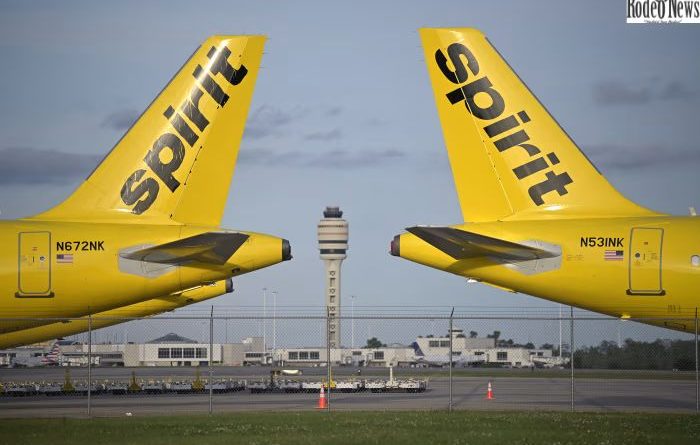
Spirit Airlines Rescue Deal Revealed: $500M Lifeline
The Spirit Airlines rescue deal is nearing completion as the U.S. government moves closer to providing a crucial financial lifeline to the struggling budget carrier. According to multiple reports, the administration of Donald Trump is negotiating a plan that could inject up to $500 million into Spirit Airlines, potentially preventing its collapse.
This development marks one of the most significant government interventions in the aviation sector in recent years. With rising fuel costs, mounting debt, and ongoing bankruptcy challenges, Spirit’s survival now hinges on this high-stakes deal.
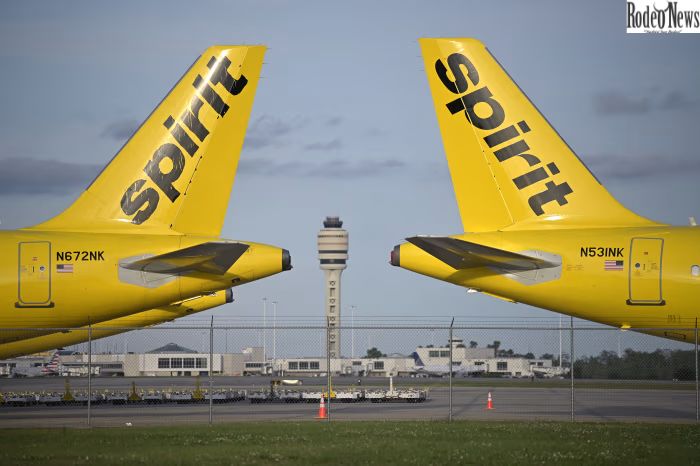
A High-Stakes $500 Million Rescue Plan
At the center of the proposed agreement is a government-backed loan of up to $500 million. In exchange, the U.S. government would receive warrants—financial instruments that could later convert into equity—effectively giving it a potential ownership stake in the airline.
Negotiations reportedly involve key agencies, including the U.S. Department of Transportation and the Department of Commerce. While the terms are not yet finalized, insiders suggest discussions are advancing quickly amid growing urgency.
The move reflects a broader strategy by the administration to safeguard industries deemed strategically important. Aviation, which supports millions of jobs and facilitates economic activity nationwide, is at the top of that list.
Why Spirit Airlines Is in Crisis
The Spirit Airlines rescue deal comes after a series of financial setbacks that have pushed the airline to the brink.
Founded in 1983 and known for its ultra-low-cost model, Spirit built its reputation by offering cheap fares while charging extra for add-ons. However, that business model has come under intense pressure in recent years.
Several key factors have contributed to its current crisis:
1. Repeated Bankruptcy Filings
Spirit has filed for Chapter 11 bankruptcy twice in less than two years. Its first filing in late 2024 was followed by a brief recovery, but the airline slipped back into bankruptcy again in 2025 due to persistent financial strain.
2. Failed Merger Attempts
A proposed $3.8 billion acquisition by JetBlue was blocked by regulators over antitrust concerns. This decision removed a critical lifeline that could have stabilized Spirit’s finances.
3. Rising Fuel Costs
Fuel prices have surged dramatically due to geopolitical tensions, particularly the ongoing conflict involving Iran. Jet fuel costs have more than doubled in a matter of weeks, severely impacting airline operating expenses.
4. Mounting Debt and Operational Challenges
Spirit has struggled with high lease costs, grounded aircraft due to engine issues, and increasing competition from larger airlines.
Together, these factors have created a perfect storm that threatens the airline’s survival.
The Risk of Liquidation
Without immediate intervention, Spirit Airlines could face liquidation—a scenario that would have widespread consequences.
Creditors have already explored the possibility of shutting down operations if no viable rescue plan emerges.
A collapse would not only disrupt travel for millions of passengers but also put approximately 14,000 jobs at risk.
The airline has attempted to cut costs by selling aircraft, reducing capacity, and increasing fares. However, these measures have not been enough to offset rising expenses and declining margins.
Government Intervention: A Controversial Move
The Spirit Airlines rescue deal has sparked debate among policymakers and industry experts.
Supporters argue that intervention is necessary to preserve competition in the airline industry. Spirit plays a critical role as a low-cost carrier, helping keep fares affordable for budget-conscious travelers.
However, critics warn that using taxpayer money to rescue a struggling company could set a dangerous precedent.
U.S. Transportation Secretary Sean Duffy has expressed skepticism, suggesting that such a bailout could amount to “putting good money after bad.”
This tension highlights a broader dilemma: balancing free-market principles with the need to protect critical infrastructure and jobs.
Strategic Importance of Low-Cost Airlines
The potential bailout underscores the importance of low-cost carriers in the aviation ecosystem.
Spirit Airlines is the largest ultra-low-cost airline in North America, serving dozens of destinations across the U.S., Caribbean, and Latin America.
Its presence forces larger airlines to compete on price, benefiting consumers. Without Spirit, ticket prices could rise, particularly on routes where it currently operates.
The administration has emphasized this point, noting that the airline industry is essential to both economic stability and everyday travel.
The Broader Economic Context
The timing of the Spirit Airlines rescue deal is significant.
Global economic conditions have become increasingly volatile, with geopolitical conflicts driving up energy costs and disrupting supply chains. The aviation sector, which relies heavily on fuel, is particularly vulnerable.
Airlines typically operate on thin margins, making them highly sensitive to sudden cost increases. Spirit’s business model—focused on ultra-low fares—leaves even less room for absorbing such shocks.
In this context, government intervention may be seen not just as a bailout, but as a stabilizing measure for the broader economy.
What Happens Next?
While negotiations are ongoing, several outcomes are possible:
Deal Finalization
If the agreement is finalized, Spirit would receive immediate financial support, allowing it to continue operations and restructure its business.
Government Stake
The issuance of warrants means the U.S. government could eventually acquire a significant ownership stake in the airline.
Alternative Scenarios
If talks collapse, Spirit could be forced into liquidation or seek a private buyer—though interest from potential acquirers has been limited.
Industry Reactions and Market Impact
News of the Spirit Airlines rescue deal has already had an impact on financial markets.
Shares of Spirit Airlines have surged in response to the potential bailout, reflecting renewed investor confidence.
Meanwhile, competitors and industry analysts are closely watching the situation, as the outcome could reshape the competitive landscape.
A successful rescue could strengthen Spirit’s position and preserve low-cost competition. Conversely, a failure could lead to consolidation and higher fares across the industry.
A Turning Point for U.S. Aviation
The unfolding situation represents a pivotal moment for the U.S. airline industry.
The Spirit Airlines rescue deal is not just about saving one company—it is about defining the role of government in a critical sector.
If approved, the deal would signal a willingness to intervene more directly in private markets, particularly in industries deemed essential.
At the same time, it raises important questions about accountability, market dynamics, and the long-term sustainability of ultra-low-cost business models.
Conclusion
As negotiations continue, the fate of Spirit Airlines hangs in the balance. The proposed $500 million lifeline could provide the breathing room needed to stabilize the company and protect thousands of jobs.
However, the challenges facing the airline remain significant. Rising costs, competitive pressures, and structural weaknesses will not disappear overnight.
The Spirit Airlines rescue deal may ultimately determine not only the future of one airline, but also the direction of the entire aviation industry in the years ahead.