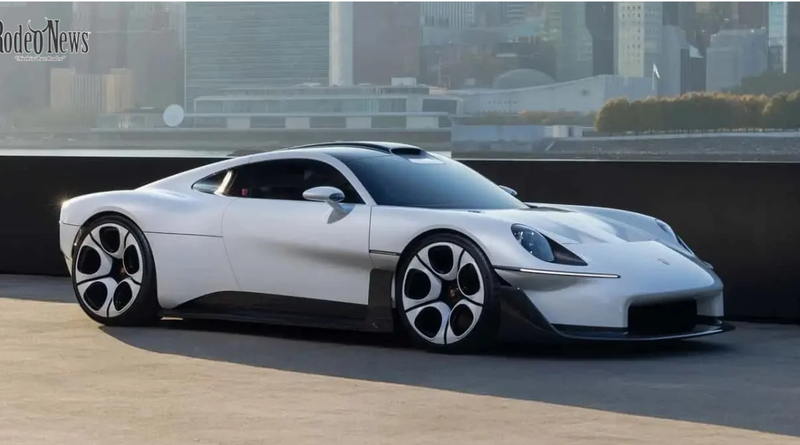
Porsche Mission S: 7 Stunning Details Revealed
Porsche’s new Mission S concept previews a bold direction for the German sports car manufacturer, combining motorsport-inspired styling, a driver-focused cockpit, and plans for a new flagship positioned above the legendary 911.
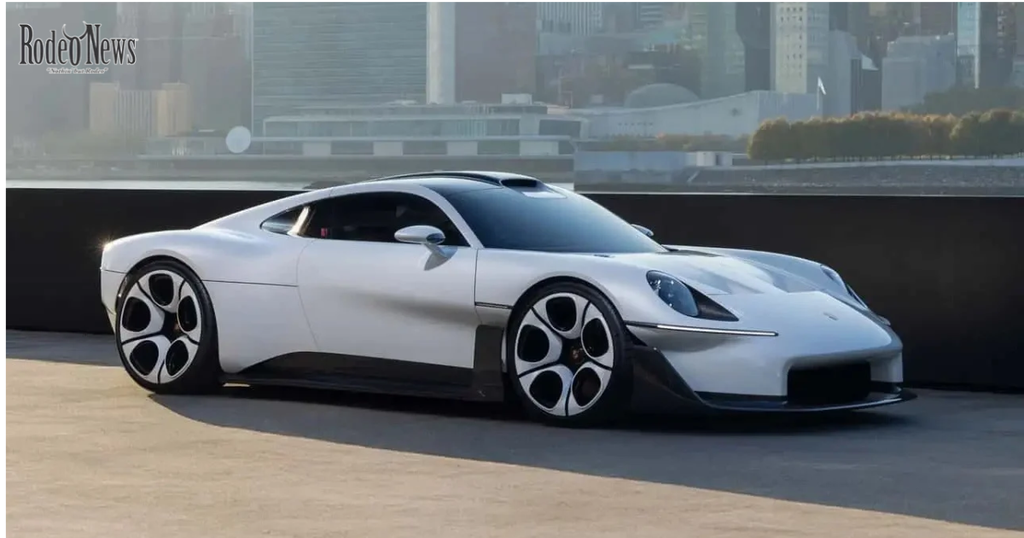
The Porsche Mission S has officially arrived, offering an exciting glimpse into the future of Porsche’s high-performance sports cars. Unveiled in New York on October 15, 2026, the concept introduces an evolved design language and previews a new mid-engine sports car platform intended to sit above the iconic Porsche 911.
Porsche Newsroom
+1
Rather than presenting another limited-production hypercar, Porsche describes its future flagship as a permanent addition to the model lineup. This signals a potentially important shift in the company’s approach to its most exclusive performance vehicles.
The Mission S also reflects Porsche’s effort to balance its motorsport heritage with changing customer expectations. Its exterior draws inspiration from celebrated models in the company’s history, while the cabin emphasizes physical controls and a more direct relationship between driver and machine.
Although the concept has generated considerable interest, important questions remain unanswered. Porsche has not yet published complete production specifications, confirmed engine output, or announced final pricing and availability.
Here are seven key details that make the Porsche Mission S one of the most intriguing new sports car concepts of 2026.
1. Porsche Mission S Signals a New Flagship Above the 911
The most important aspect of the Porsche Mission S is its intended position within the company’s future lineup.
For decades, the Porsche 911 has served as the brand’s defining sports car. It combines everyday usability with exceptional performance, a distinctive design, and a long-established motorsport identity. However, Porsche has also developed more exclusive halo cars to demonstrate its engineering capabilities.
Models such as the 959, Carrera GT, and 918 Spyder have occupied that special position. Each introduced distinctive engineering and performance characteristics while helping reinforce Porsche’s reputation at the highest end of the sports car market.
The Mission S points toward the next chapter of that strategy.
According to Porsche’s official announcement, the company is developing a new mid-engine super sports car platform intended to support a permanent offering above the 911. The vehicle is expected to emphasize engineering excellence, driver engagement, and flexibility rather than existing solely as a rare collector’s model.
Porsche Newsroom
+1
That distinction matters because a regular production model could give more customers an opportunity to experience Porsche’s flagship engineering, even if the car remains expensive and relatively exclusive.
However, Porsche has not announced production volumes or a final retail price. The concept should therefore be viewed as a preview of the company’s intentions rather than a complete representation of the finished road car.
2. A Mid-Engine Layout Defines the Mission S
The Mission S is built around a mid-engine sports car architecture, a configuration that places the engine between the front and rear axles.
This arrangement is widely associated with high-performance sports cars because it can help centralize mass and support responsive handling. The precise driving characteristics of a production Mission S will depend on its final engineering, suspension setup, weight distribution, and powertrain.
Nevertheless, the layout clearly distinguishes the project from Porsche’s rear-engine 911 family.
Its low nose, compact cabin, pronounced rear haunches, and sculpted rear bodywork emphasize the proportions traditionally associated with mid-engine performance cars. The design also provides visual clues about the vehicle’s intended role as a more specialized flagship.
Porsche says it is developing a flexible platform for this new class of sports car. The company has also indicated that the architecture will support combustion and hybrid powertrains, rather than a fully electric version.
Porsche Newsroom
+1
This is a notable development given the industry’s broader transition toward electrification. It suggests Porsche sees continued demand for combustion-engine performance among customers shopping at the highest end of the sports car market.
The exact engine configuration, output, acceleration, and top speed remain unconfirmed. Until the manufacturer releases those details, any specific performance figures should be treated as speculation.
3. Exterior Design Blends Porsche Heritage With Modern Styling
Porsche has not attempted to abandon its recognizable design identity with the Mission S. Instead, the concept reinterprets familiar styling elements through a more contemporary and dramatic shape.
The front end features rounded lighting elements and prominent fenders that recall the 911’s distinctive appearance. Meanwhile, the flatter nose draws inspiration from the Porsche 911 GT1, a model associated with the brand’s competition-focused engineering.
The roofline and rear wing also reference the Porsche 959, while the sculpted rear bodywork incorporates design ideas associated with the 911 GT1. Porsche says these historical influences have been integrated into a cohesive design intended to evolve the brand’s visual identity.
Porsche Newsroom
+1
Another interesting detail is the concept’s interpretation of the Porsche 928’s distinctive wheel design. The updated approach connects the car to an earlier chapter of Porsche history while giving the wheels a more contemporary appearance.
The rear section is particularly striking. Its sculpted surfaces create what Porsche describes as a car-in-car concept, with bodywork appearing to frame the central rear structure. This treatment creates visual depth while reinforcing the car’s technical character.
Porsche has also emphasized the relationship between design and function. Elements such as the integrated rear wing and cooling features are intended to support the vehicle’s performance-oriented identity.
The concept’s special exterior finishes include Firn White Metallic, Light Red Metallic, and Black Chrome. These colors reinterpret traditional Porsche motorsport themes through a more modern palette.
It remains unclear which individual design elements will carry over unchanged to the production vehicle. Concept cars frequently include details that are modified during development to meet practical, safety, and manufacturing requirements.
4. The Interior Prioritizes the Driver Over Digital Screens
The Mission S interior may be one of its most distinctive features.
Modern vehicles increasingly rely on large central touchscreens to control navigation, entertainment, climate settings, and other functions. Porsche takes a different approach with this concept, placing greater emphasis on physical controls and a cockpit designed around the driver.
Five round instruments sit behind the steering wheel, with a central rev counter forming the focal point. The arrangement recalls traditional Porsche sports cars while incorporating digital technology where it is useful.
Porsche says the instruments can change their arrangement according to the selected driving mode. The concept also features a mixture of tactile switches, buttons, and digital displays, aiming to combine modern functionality with familiar controls.
Porsche Newsroom
+1
One especially notable decision is the absence of a permanently integrated central infotainment screen.
Instead, the concept incorporates a retractable smartphone holder compatible with MagSafe technology. The driver’s phone can serve as a navigation or information display when required, while the My Porsche App provides access to vehicle functions and additional digital features.
This approach reflects a different interpretation of automotive technology. Rather than adding screens simply to make the cabin appear more advanced, Porsche appears interested in reducing visual distractions and keeping the driver’s attention on the road.
The concept also includes a specially designed key holder to the left of the steering wheel, following a traditional Porsche arrangement.
Its seats, controls, and cabin architecture similarly emphasize function and motorsport-inspired design.
Whether every feature reaches production remains uncertain. However, the interior offers a clear indication that Porsche is exploring ways to make future sports cars feel more focused and engaging without abandoning modern convenience.
5. Porsche Mission S Draws Inspiration From Motorsport Icons
Motorsport heritage is central to the Mission S concept.
Porsche has a long history of using racing experience to shape its road cars. The Mission S continues that tradition through its proportions, aerodynamic details, cooling features, and references to historic competition models.
One particularly recognizable influence is the Porsche 917, the legendary racing car associated with the manufacturer’s endurance-racing success. The Mission S incorporates a cooling feature inspired by the 917’s fan arrangement, connecting the concept’s technical appearance with Porsche’s racing past.
Porsche Newsroom
+1
The car’s aerodynamic treatment is another important element. Its integrated rear wing, sculpted body surfaces, and carefully defined airflow openings give it the appearance of a vehicle designed around performance requirements rather than styling alone.
However, visual similarities do not establish the Mission S’s actual aerodynamic efficiency. Porsche has not released comprehensive production specifications or performance testing results for the concept.
The car also draws on the company’s broader design history, including the 959, 911 GT1, 928, and classic 911 generations. These references help connect a future-facing concept to recognizable elements of the Porsche identity.
This balance is important for a flagship model. Customers at this level may expect advanced engineering, but they also often value the character and heritage that distinguish one manufacturer from another.
The Mission S suggests Porsche wants its next flagship to deliver both.
6. Engine and Performance Details Remain Unconfirmed
Despite its dramatic appearance, the Mission S still leaves one major question unanswered: what will power the production car?
Porsche has confirmed plans for a new mid-engine platform that can accommodate combustion and hybrid powertrains. The company has not, however, published a complete engine specification for the production model.
Porsche Newsroom
+1
That means prospective buyers and enthusiasts will have to wait for official information about displacement, cylinder configuration, horsepower, torque, transmission choices, and performance figures.
There has been speculation about possible high-performance engine configurations, including a V8 or a flat-eight. Those possibilities should not be confused with confirmed production specifications.
The concept’s visual details may offer clues about its intended character, but they do not establish which engine Porsche will ultimately choose.
The same caution applies to acceleration and top speed. Without verified figures, it would be premature to claim that the Mission S will outperform particular Ferrari, McLaren, or Lamborghini models.
What can be said with confidence is that Porsche intends the future vehicle to occupy a position above the 911 and deliver a high level of engineering sophistication.
A flexible architecture could also allow Porsche to develop different versions over time. Whether the eventual lineup includes multiple power levels, body styles, or special editions remains unknown.
For now, the most significant development is the manufacturer’s commitment to a new flagship sports car platform.
7. The Mission S Could Shape Porsche’s Future Sports Car Strategy
The Mission S is more than a styling exercise. It forms part of Porsche’s broader effort to define the next generation of its high-performance vehicles.
The concept was unveiled at a pier in Queens, New York, chosen for its historical connection to the Porsche 550 Spyder. Photographs of the 550 Spyder at the same location in 1953 helped introduce the car to American audiences, making the setting a deliberate connection between Porsche’s past and future.
Porsche Newsroom
+1
That symbolism reflects the company’s wider challenge: preserving its identity while adapting to changing market conditions.
The premium sports car market is evolving as manufacturers reconsider the balance between combustion engines, hybrids, and fully electric powertrains. Demand for high-priced electric performance cars has not developed uniformly across every segment, and Porsche’s decision to pursue a combustion-capable flagship platform highlights the importance of customer preferences in its strategy.
A permanent model positioned above the 911 could also strengthen Porsche’s presence in the upper end of the sports car market.
The company has experience building limited-production halo cars, but a regular production offering could create a different business opportunity. It could combine flagship engineering with a more sustained place in the product lineup.
That does not mean the Mission S will automatically become a commercial success. Pricing, production capacity, regulations, operating costs, and customer demand will all influence the eventual vehicle’s prospects.
Nevertheless, the concept provides a clear statement of intent. Porsche wants its next generation of premium sports cars to remain recognizable, technically sophisticated, and focused on the driving experience.
When Could the Porsche Mission S Reach Production?
Porsche has announced the development of a new mid-engine sports car platform, but the company has not confirmed a definitive production launch date for the Mission S.
Porsche Newsroom
+1
The concept should therefore be treated as an early preview rather than a finished production model.
Additional information will be needed to establish the final design, technical specifications, pricing, market availability, and delivery schedule. Porsche may also adjust individual features as the project progresses from concept development toward a road-going vehicle.
Until those announcements arrive, claims about exact launch dates or prices should be regarded as estimates rather than official information.
Conclusion: Porsche Mission S Offers an Exciting Glimpse of What’s Next
The Porsche Mission S represents an important step in the manufacturer’s plans for a new flagship sports car.
Its mid-engine architecture, heritage-inspired exterior, minimalist cockpit, and motorsport references combine familiar Porsche characteristics with a fresh design direction. More importantly, the concept previews a future model intended to sit above the 911 as a permanent part of the lineup.
The unanswered questions are significant. Porsche has yet to reveal complete production specifications, confirmed engine output, pricing, or a definitive launch schedule.
Even so, the Mission S offers a compelling glimpse into the brand’s future priorities. Rather than pursuing digital complexity for its own sake, Porsche appears focused on preserving driver engagement while adapting its engineering and design for a new generation.
For sports car enthusiasts, the next major milestone will be the transition from concept to production. That is when Porsche’s ambitions will become measurable in terms of performance, technology, and real-world driving experience.
For now, the Mission S stands as a promising preview of what a new generation of Porsche flagship sports cars could become.