Protect College Sports Act: 5 Key Changes
The Protect College Sports Act cleared the U.S. Senate on Sept. 28, 2026, in a bipartisan 77-22 vote that could establish the first broad federal framework for regulating college athletics. The legislation would create national rules covering athlete compensation, name, image and likeness (NIL) agreements, transfers, eligibility, health protections and the authority of the NCAA.
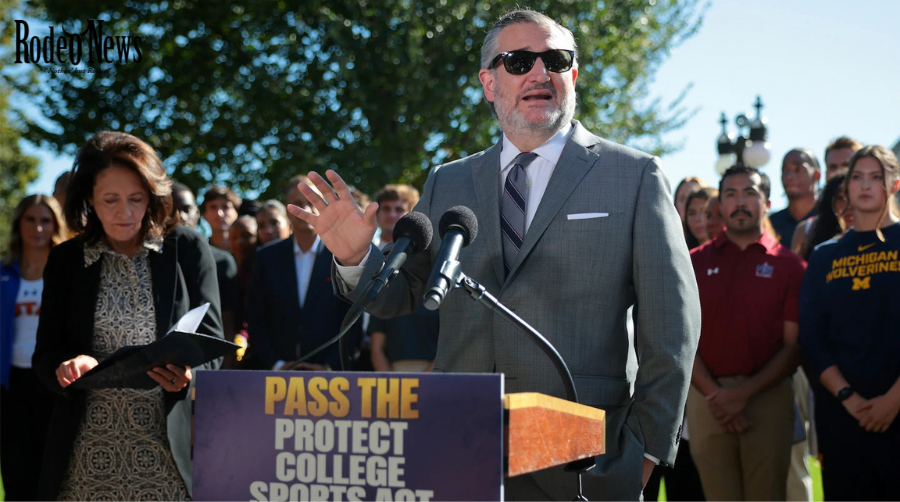
The bill, sponsored by Sens. Ted Cruz, R-Texas, and Maria Cantwell, D-Wash., is designed to address a college sports system that has increasingly been shaped by state laws, court decisions and the transfer portal. It would replace much of that patchwork with federal standards.
However, the Senate vote does not make the proposal law. The legislation must still move through the House, where its prospects remain uncertain. The House is scheduled to return after the November elections, leaving a limited legislative window before the current congressional session ends.
Here are five major areas the Protect College Sports Act would change if enacted.
1. Protect College Sports Act would establish national NIL rules
One of the central goals of the Protect College Sports Act is to create a national system for regulating NIL compensation.
College athletes have been permitted to benefit financially from their name, image and likeness since the NCAA’s policy changes following a 2021 Supreme Court decision. Since then, states have adopted different laws, while court decisions have repeatedly affected how schools, conferences and athletes operate.
The proposed legislation would establish federal standards intended to replace conflicting state rules.
Under the bill, athletes would continue to have opportunities to earn money through NIL arrangements. At the same time, schools and the NCAA would receive clearer authority to oversee those agreements and determine whether certain payments comply with federal rules.
The legislation also addresses outside entities connected to college athletic programs. Certain booster-related or affiliated payments could be included when calculating an institution’s overall athlete compensation.
That provision is significant because NIL arrangements have increasingly become part of recruiting and roster management. The proposed federal framework would seek to distinguish legitimate commercial agreements from payments designed primarily to circumvent compensation limits.
The Senate Commerce Committee said the updated legislation would require the NCAA to oversee school compliance and would establish additional rules for the revenue-sharing system.
2. Protect College Sports Act would change athlete revenue sharing
The Protect College Sports Act would also establish federal rules for direct payments from schools to athletes.
The legislation builds on the settlement framework that allowed Division I schools to begin sharing revenue directly with athletes. The proposed system would establish a compensation structure while adding mechanisms that schools could use to retain athletes.
Earlier versions of the legislation included a revenue-sharing limit based on a percentage of certain athletic department revenues. The bill also provides an additional retention mechanism that could be used to keep current players at their schools.
The precise financial structure has changed during the legislative process. Reporting on the Senate-approved legislation describes a substantially larger potential pool than the initial revenue-sharing figure, with additional funds available under specified conditions.
The legislation would also connect part of the retention system to academic performance. Updated Senate bill language says schools would need to meet specified graduation and academic-progress benchmarks to qualify for retention-fund spending.
That means the bill is not simply about increasing the amount athletes can receive. It also attempts to establish federal conditions governing how schools distribute and administer those payments.
For college athletic departments, the rules could affect budgeting, recruiting strategies and roster management.
For athletes, the framework would create a more standardized system for direct school compensation, although the ultimate impact would depend on the final law and its implementing regulations.
3. The bill would restrict transfers and reshape eligibility
The transfer portal has become one of the defining features of modern college sports. The Protect College Sports Act would establish federal limits on transfers and eligibility.
Under the proposal, athletes generally would receive one transfer without losing eligibility. The goal is to create a national standard after years in which transfer rules have been affected by NCAA policies, court challenges and individual cases.
The legislation would also establish an eligibility framework based on a five-year playing window and an age limit. Reporting on the bill says athletes generally would have five years to complete five seasons, with eligibility limited by age under the proposed system.
The changes could affect athletes who transfer multiple times during their college careers.
They could also affect coaches and athletic departments, which have increasingly had to manage roster turnover caused by the transfer portal.
The NCAA has faced repeated legal challenges over eligibility and transfer restrictions. The proposed federal legislation would give the organization more authority to enforce standardized rules while providing limited protection against certain antitrust lawsuits.
The bill therefore represents an attempt to move eligibility decisions away from a system dominated by individual lawsuits and toward a national legislative framework.
4. The Protect College Sports Act includes health and academic protections
The legislation is not limited to compensation and eligibility.
The Protect College Sports Act includes provisions involving medical coverage, scholarships and academic support for athletes.
The Senate Commerce Committee said the updated bill would establish minimum medical coverage requirements and allow states, schools and conferences to provide additional protections beyond the federal standards.
The legislation also addresses injuries sustained during athletic participation. Reporting on the bill says schools would have obligations involving medical expenses and continued coverage following an athlete’s final competition.
Academic protections are another part of the proposal.
The legislation would establish requirements intended to protect athletes’ educational opportunities while they participate in college sports. Earlier descriptions of the bill included restrictions on coaches forcing athletes into particular academic programs for scheduling purposes.
The bill would also connect some retention funding to academic performance.
The Senate Commerce Committee said schools seeking to use the retention fund would have to meet uniform benchmarks involving graduation rates and academic progress.
These provisions reflect an effort to regulate parts of college athletics that extend beyond the financial relationship between athletes and schools.
5. The bill would expand NCAA authority while limiting some lawsuits
Another major component of the Protect College Sports Act is the proposed legal framework surrounding the NCAA.
For years, the NCAA has faced legal challenges involving athlete compensation, eligibility and other rules. Courts have played an increasingly important role in determining what restrictions the organization can impose.
The proposed legislation would give the NCAA and related college sports organizations limited antitrust protection for enforcing certain federally established rules.
The legislation would also preempt conflicting state laws in areas covered by the federal framework. That could reduce the differences between state-by-state NIL regulations, although specific provisions could still face legal challenges.
Supporters of the legislation have described a national framework as a way to establish consistent rules for college athletics. Critics, meanwhile, have raised concerns about limits on athletes’ legal rights and the extent of protections provided to the NCAA and schools.
The bill also creates a commission to study longer-term questions surrounding college athletics, including collective bargaining and athletes’ financial interests.
Importantly, the legislation does not immediately classify college athletes as employees.
That distinction matters because employee status could potentially provide athletes with additional labor rights, including collective bargaining rights. Instead, the bill directs a commission to study the issue and report on possible approaches.
What the Protect College Sports Act could mean for athletes
If enacted, the Protect College Sports Act would affect several parts of the college sports system at the same time.
Athletes could face new transfer restrictions while receiving more clearly defined rights to direct school compensation. NIL agreements would operate under a federal framework rather than a collection of different state rules.
Schools would gain clearer authority to manage compensation and eligibility but would also face additional requirements involving medical coverage, academic standards and compliance.
The NCAA would gain more regulatory authority in some areas while operating under rules established by Congress.
The legislation also contains provisions affecting Olympic sports and other college athletic programs. Earlier versions called for certain Division I institutions to maintain specified levels of Olympic sports participation, while other provisions addressed media rights and conference structures.
The potential impact would therefore extend beyond football and men’s basketball, even though those sports are central to the financial issues driving the debate.
Why the House vote matters
The Senate’s 77-22 vote is an important legislative milestone, but the Protect College Sports Act is not yet law.
The House still needs to consider the legislation. The chamber’s schedule and differences among lawmakers could determine whether the Senate version advances, is modified or fails to receive a vote.
The House has considered other approaches to college sports reform, including legislation that differs from the Senate proposal. That creates the possibility of negotiations over athlete compensation, employee status, eligibility and other provisions.
The timing also matters because Congress is approaching the end of its current session.
The Washington Post reported that the House’s prospects for taking up the measure remain uncertain after the November elections. The bill would need to pass both chambers before it could reach the president.
Until that happens, the current college sports system remains in place.
What happens next for college sports
The Protect College Sports Act represents one of the broadest congressional attempts to establish federal rules for college athletics.
Its provisions cover NIL compensation, revenue sharing, transfers, eligibility, medical coverage, academic protections, conference structures and NCAA authority.
The Senate’s bipartisan vote shows that lawmakers from both parties supported moving the legislation forward, but the House process could produce additional changes.
For athletes and schools, some of the most important questions will be how much athletes can receive directly, how NIL deals will be regulated, how transfers will be limited and how eligibility rules will be enforced.
Another major question is how the legislation would affect the balance of power among athletes, schools, conferences and the NCAA.
Those issues remain unresolved while the bill moves to the next stage of the legislative process.
For now, the Senate vote establishes a clear federal proposal but does not settle the future of college sports. The House’s response, any negotiations between the chambers and the final language of any legislation will determine what rules ultimately take effect.
Conclusion
The Protect College Sports Act would create a national regulatory framework for college athletics if it becomes law. Its proposed changes include standardized NIL rules, direct athlete revenue sharing, transfer restrictions, eligibility requirements, health protections and expanded NCAA enforcement authority.
The Senate approved the legislation 77-22 on Sept. 28, 2026. However, it still requires House approval before it can move to the president.
The next stage of the process will determine whether the Senate proposal becomes law as written or undergoes further changes. Until then, athletes, schools and conferences will continue operating under the existing legal and regulatory framework.