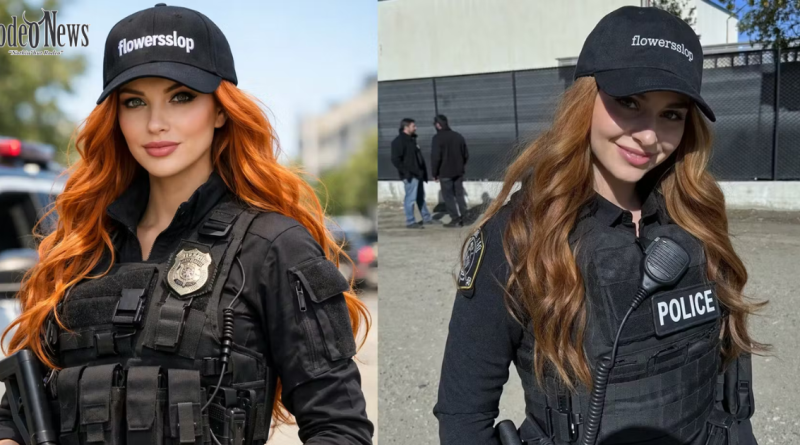
OpenAI Image Model Revealed: 5 Powerful Upgrades vs Google
OpenAI is preparing to launch a new OpenAI Image Model, signaling a major escalation in the fast-growing battle against Google’s AI dominance. According to recent reports, the upcoming model is designed to produce more realistic images, handle complex diagrams, and significantly improve usability for both consumers and businesses.
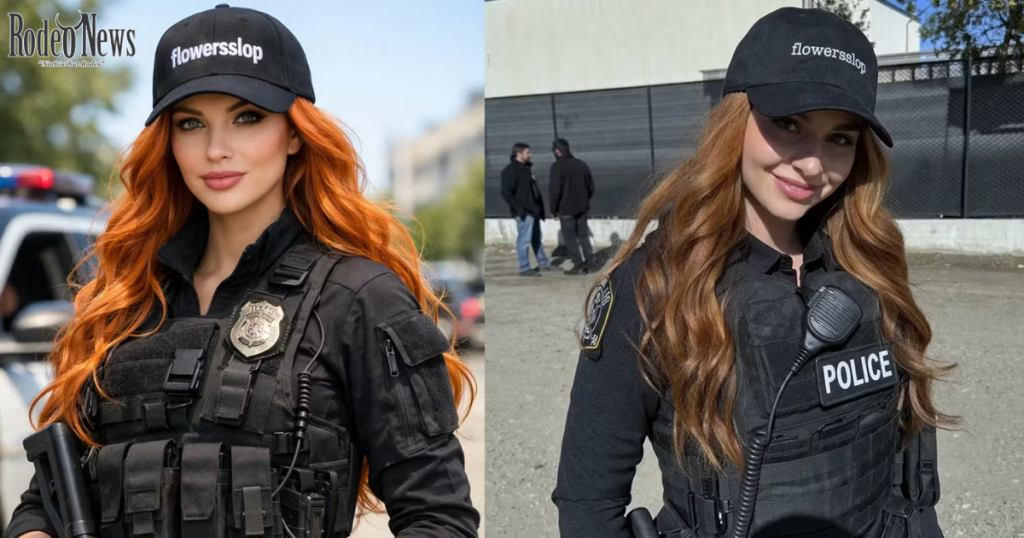
This development highlights how the competition between OpenAI and Google is no longer limited to chatbots—it is now rapidly expanding into multimodal AI, especially image generation. As both companies race to define the future of visual AI, this new model could reshape how people create, edit, and interact with digital content.
What Is the New OpenAI Image Model?
The upcoming OpenAI Image Model is expected to be a next-generation system focused on photorealism, precision, and complex visual understanding.
Unlike earlier tools that sometimes produced distorted or “AI-looking” visuals, this model aims to deliver:
- More natural and human-like images
- Improved rendering of diagrams and structured visuals
- Better consistency across edits and variations
- Enhanced ability to follow detailed instructions
This aligns with OpenAI’s broader push to improve its image capabilities, building on previous models that already enabled precise edits and faster generation speeds.
The goal is clear: move beyond novelty and into professional-grade image generation.
Why OpenAI Is Targeting Google
The timing of this release is no coincidence. Google has been aggressively advancing its own AI ecosystem, particularly through its Gemini platform and Imagen image models.
By 2026, Google and OpenAI have emerged as the two dominant players in AI image generation, each offering different strengths in pricing, quality, and integration.
The Competitive Pressure
Google’s advantages include:
- Deep integration with productivity tools (Docs, Slides, etc.)
- Competitive pricing for image generation APIs
- Strong ecosystem through Google Cloud and Gemini
Meanwhile, OpenAI’s strengths lie in:
- Superior user experience through ChatGPT
- Faster iteration of models
- Strong developer adoption
This new OpenAI Image Model appears to be a direct response to Google’s rapid progress—especially in producing high-quality, scalable image outputs.
5 Powerful Upgrades in the New OpenAI Image Model
1. Hyper-Realistic Image Generation
One of the biggest improvements is the ability to generate images that look less artificial and more lifelike.
Earlier AI-generated images often had issues like:
- Unnatural lighting
- Distorted faces
- Inconsistent textures
The new model reportedly fixes many of these limitations, producing visuals that are closer to real photography.
This is a major step forward for industries like marketing, e-commerce, and media.
2. Advanced Diagram and Data Visualization
Unlike traditional image generators that focus on art or photos, this model is designed to handle:
- Charts
- Infographics
- Technical diagrams
This makes it especially valuable for:
- Business presentations
- Educational materials
- Scientific communication
By improving structured visual outputs, OpenAI is expanding AI’s usefulness beyond creative tasks into professional workflows.
3. Better Instruction Following
A key improvement is the model’s ability to follow detailed prompts more accurately.
For example:
- Precise object placement
- Correct text rendering
- Consistent design elements
Previous versions already made progress in this area, enabling more reliable edits and transformations.
However, the new model is expected to take this even further, reducing the trial-and-error process users often face.
4. Consistent Edits Across Iterations
Another major upgrade is image consistency.
Users will be able to:
- Modify images without losing key details
- Maintain character identity across edits
- Keep lighting and composition stable
This is particularly important for:
- Branding
- Product design
- Content creation
Consistency has long been one of the biggest challenges in AI image generation—and solving it unlocks serious commercial use cases.
5. Strategic Push Toward 1 Billion Users
Beyond technical improvements, this model plays a strategic role in OpenAI’s long-term vision.
Reports suggest that OpenAI sees image generation as a key step toward reaching mass adoption at scale, potentially targeting up to 1 billion users.
By making image creation:
- Faster
- Easier
- More reliable
OpenAI is positioning itself as a central platform for both creative and enterprise users.
How This Impacts the AI Industry
The launch of the OpenAI Image Model is not just a product update—it represents a shift in the broader AI landscape.
1. Multimodal AI Becomes the Standard
AI is no longer just about text.
The future is multimodal, combining:
- Text
- Images
- Video
- Audio
This model strengthens OpenAI’s position in that transition.
2. Creative Industries Will Transform
Industries like:
- Graphic design
- Advertising
- Film production
will increasingly rely on AI tools to:
- Generate concepts
- Edit visuals
- Scale production
This could dramatically reduce costs and production time.
3. Enterprise Adoption Will Accelerate
Businesses are already using AI for:
- Marketing assets
- Product visuals
- Internal presentations
With improved accuracy and consistency, adoption is expected to grow even faster.
OpenAI vs Google: Who Is Winning?
The battle between OpenAI and Google is intensifying across multiple fronts:
| Category | OpenAI | |
|---|---|---|
| User Experience | Strong (ChatGPT ecosystem) | Improving (Gemini integration) |
| Image Quality | Rapidly improving | Highly competitive |
| Pricing | Subscription-based + API | Often cheaper API options |
| Ecosystem | Developer-focused | Enterprise + cloud dominance |
There is no clear winner yet.
However, OpenAI’s strategy focuses on ease of use and rapid innovation, while Google leverages its massive infrastructure and ecosystem.
What Comes Next?
The release of the OpenAI Image Model is likely just the beginning.
Future developments may include:
- Real-time image generation
- Video generation integration
- Fully interactive visual AI assistants
As competition intensifies, users can expect faster innovation and better tools across the board.
Final Thoughts
The new OpenAI Image Model marks a significant milestone in the evolution of AI-powered creativity.
With improvements in realism, consistency, and usability, OpenAI is positioning itself as a serious challenger to Google’s AI ecosystem. At the same time, the broader industry is moving toward a future where visual AI becomes as important as text-based AI.
For users, creators, and businesses alike, this competition is good news—it means better tools, lower costs, and more powerful capabilities in the near future.