Olivia Rodrigo’s Daisy Chain Fields Raises $20M
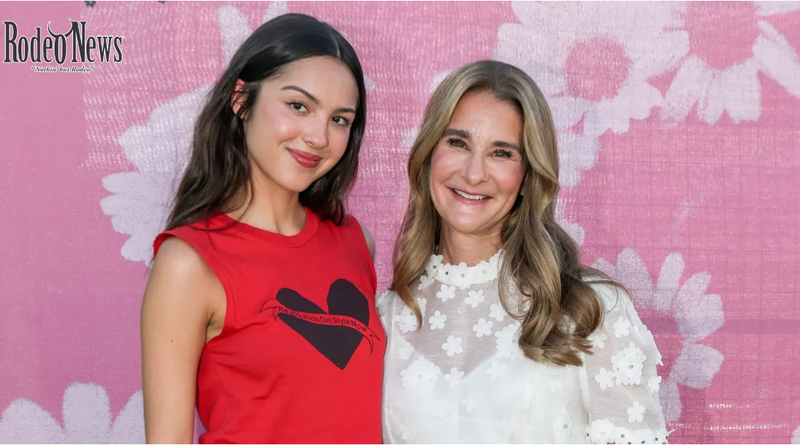
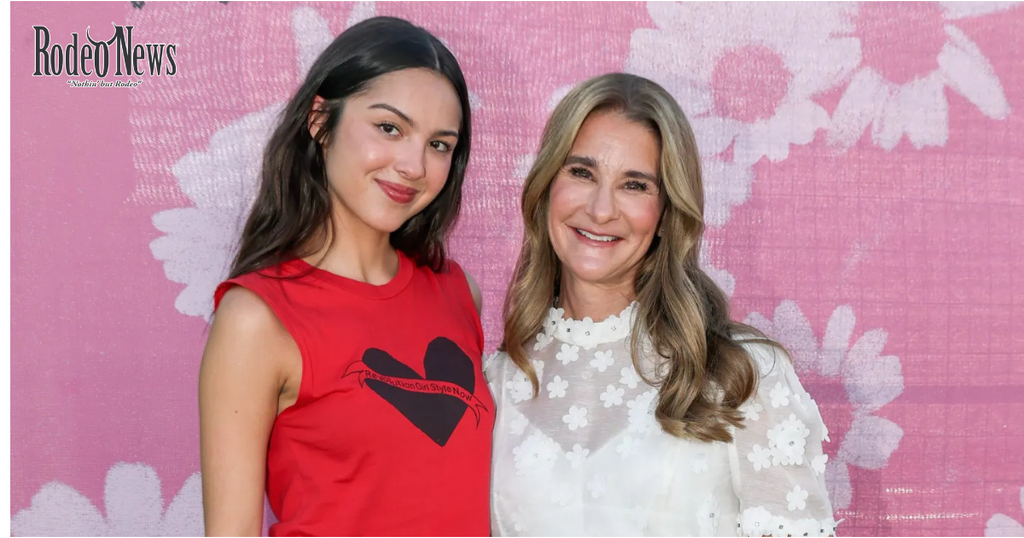
Olivia Rodrigo’s Daisy Chain Fields has turned a major music event into a powerful fundraising effort, raising a total of $20 million for organizations supporting women and girls. The figure doubled after philanthropist Melinda French Gates pledged an additional $10 million to match the $10 million already raised by the festival.
The one-day event, held at Great Park in Irvine, California, brought together a women-led lineup featuring some of the biggest and most influential names in contemporary and classic music. Chappell Roan, Doechii, Mitski, Bikini Kill, Garbage, Karen O, Sarah McLachlan and Stevie Nicks were among the artists connected to the festival.
The fundraising milestone puts Olivia Rodrigo Daisy Chain Fields among the more significant recent examples of a major music event being used to directly support social causes.
Olivia Rodrigo Daisy Chain Fields Reaches $20 Million
The festival had already generated $10 million for its nonprofit partners before Melinda French Gates made her surprise appearance.
French Gates, through her organization Pivotal Ventures, pledged another $10 million during Rodrigo’s set. That brought the festival’s fundraising total to $20 million.
The initial $10 million was announced as a donation to 10 nonprofit organizations working across areas including reproductive health, maternal health, workplace protections and legal rights.
The additional matching commitment from French Gates substantially expanded the financial impact of the event.
The announcement also reinforced one of Rodrigo’s central ideas behind Daisy Chain Fields: music can bring people together around causes that extend far beyond the concert stage.
According to reporting from The Hollywood Reporter, French Gates praised Rodrigo for using her platform to engage a younger generation and encourage them to understand the importance of their voices.
A Festival Built Around Women and Girls
Daisy Chain Fields was designed as more than a conventional music festival.
Rodrigo assembled a predominantly women-led bill that crossed generations and genres. The lineup connected established legends with younger artists, creating a bridge between musicians who influenced Rodrigo and artists shaping the current pop landscape.
Chappell Roan and Doechii represented a younger generation of performers, while Stevie Nicks, Sarah McLachlan and other veteran artists brought decades of musical history to the event.
The festival also featured Bikini Kill, Garbage, Mitski and Karen O, reflecting Rodrigo’s broad musical influences.
That intergenerational approach was intentional.
Rather than separating artists according to commercial status or age, Daisy Chain Fields emphasized collaboration and community. Reporting ahead of the festival noted that the artists were presented with equal billing, while performances were arranged without overlapping sets.
The result was a festival structure that placed the collective message alongside the music itself.
Why Melinda French Gates Joined the Effort
Melinda French Gates’ involvement gave the festival’s fundraising effort another major boost.
Her $10 million commitment effectively matched the money already raised by the event, taking the total to $20 million.
The pledge also connected Rodrigo’s music audience with the broader philanthropic infrastructure surrounding women’s health and equality.
That connection is particularly important because Daisy Chain Fields was built to make nonprofit work more visible to younger audiences.
The festival included a so-called “philanthropy village,” where attendees could learn about the organizations receiving support and interact with representatives from those groups.
Rather than simply asking fans to donate money, the organizers created opportunities for festivalgoers to understand the issues behind the fundraising.
That approach reflects a broader shift in celebrity philanthropy. Increasingly, artists are using concerts and festivals not only to raise money but also to introduce their audiences to organizations working directly on social issues.
Where the $20 Million Will Go
The festival’s nonprofit partners focus on a range of issues affecting women and girls.
Among the organizations connected to the initiative are Planned Parenthood, the National Women’s Law Center and Black Mamas Matter Alliance. Other beneficiaries include organizations focused on reproductive rights, maternal health and support for families.
The breadth of the organizations reflects the festival’s wider mission.
Daisy Chain Fields was not created around a single issue. Instead, it attempted to connect different aspects of women’s well-being, from healthcare access and reproductive rights to legal protections and maternal health.
That broader approach also gave the event a stronger community component.
Attendees could engage with nonprofit organizations while attending performances, turning the festival grounds into a place for both entertainment and education.
The Associated Press reported that nonprofit representatives viewed the event as an opportunity to connect with younger supporters in a setting where they already felt comfortable.
Olivia Rodrigo Draws Inspiration From Lilith Fair
Daisy Chain Fields also has a clear historical predecessor.
Rodrigo has cited Sarah McLachlan’s Lilith Fair as a major inspiration for the festival. The groundbreaking touring event launched in the late 1990s and became a defining moment for women in popular music.
Lilith Fair was created partly in response to the music industry’s reluctance to consistently book female artists alongside one another.
The festival eventually became both a commercial success and a cultural statement.
Rodrigo’s decision to build Daisy Chain Fields around women-led performances therefore places her event within a longer history of women using music as a vehicle for representation and social change.
McLachlan herself was involved with Rodrigo’s project and performed at Daisy Chain Fields.
For Rodrigo, the connection between the two festivals is more than nostalgic.
It reflects her understanding of music history and the artists who helped create opportunities for the generation that followed.
A Star-Studded Lineup With a Purpose
The lineup was arguably one of Daisy Chain Fields’ biggest attractions.
Chappell Roan arrived as one of pop’s most prominent newer stars. Doechii brought her genre-blending rap and performance style, while Mitski represented a different strand of modern alternative music.
Then came artists whose influence stretches back decades.
Stevie Nicks remains one of rock’s most recognizable performers. Sarah McLachlan is directly connected to the Lilith Fair legacy. Bikini Kill and Garbage helped define important chapters in alternative and feminist music culture.
Karen O of Yeah Yeah Yeahs also joined the lineup.
By bringing these artists together, Rodrigo created something unusual: a festival that could appeal simultaneously to younger fans discovering new music and older audiences familiar with the performers who influenced today’s artists.
The Guardian described the event as an intergenerational celebration and highlighted the unusual breadth of Rodrigo’s lineup.
Daisy Chain Fields Puts Community Ahead of Competition
One of the festival’s most notable features was its emphasis on community rather than competition.
Many major festivals are structured around hierarchy. Headliners receive prominent billing, smaller acts compete for attention and audiences frequently have to choose between simultaneous performances.
Daisy Chain Fields took a different approach.
The artists were presented equally on the promotional poster, and the schedule avoided overlapping performances.
That allowed fans to experience the full lineup instead of forcing them to choose between acts.
The design supported Rodrigo’s larger philosophy: women in music do not have to compete with one another for limited space.
Instead, the festival could function as a collective platform.
That message is especially significant given the continued discussion about gender representation at major festivals. A 2025 report cited by The Guardian found that women accounted for only 21.6% of headliners across nine major music festivals.
Rodrigo’s Growing Role in Music Philanthropy
Daisy Chain Fields is not an isolated charitable project for Rodrigo.
The singer has increasingly connected her music career with nonprofit causes.
In August, Rodrigo also released “Serena Joy,” with a portion of its net proceeds benefiting the Daisy Chain Fields fund.
Her charitable work has also extended to material connected with her Glastonbury performances. Following her collaboration with Robert Smith of The Cure, proceeds from the relevant live recordings were directed toward Doctors Without Borders, according to reporting on Rodrigo’s recent philanthropic efforts.
Taken together, those projects suggest that charitable giving has become an increasingly visible part of Rodrigo’s public identity.
The difference with Daisy Chain Fields, however, is scale.
Rather than simply donating proceeds from a single song or performance, Rodrigo created an entire live event around the idea of collective giving.
Why the Festival Matters to Gen Z
The fundraising figure is impressive, but Daisy Chain Fields also illustrates a changing relationship between younger audiences and activism.
For many younger fans, celebrity support for a cause is not enough on its own.
They increasingly expect artists to demonstrate a genuine connection to the issues they discuss.
Daisy Chain Fields attempted to address that expectation by combining entertainment with direct access to nonprofit organizations.
Fans could attend the performances while also learning about organizations working on reproductive health, maternal health, legal rights and other issues.
That combination made the event less like a traditional benefit concert and more like a cultural gathering centered on advocacy.
The approach could prove influential for other artists with large young audiences.
The Bigger Meaning Behind the $20 Million
The $20 million raised by Daisy Chain Fields is ultimately about more than a single festival.
It demonstrates how an artist with a large audience can turn a cultural platform into a fundraising engine.
Rodrigo provided the music and the audience. The participating artists supplied their performances and visibility. Nonprofit organizations brought expertise and direct connections to the communities they serve.
French Gates then amplified the financial impact with her matching pledge.
The structure created a chain of support that closely mirrors the festival’s name.
A single artist’s idea became a gathering of performers. That gathering connected thousands of fans with nonprofit organizations. Those organizations will receive funding to continue their work.
In that sense, the festival’s central message was reflected in its outcome.
What Comes Next for Daisy Chain Fields?
The success of the inaugural event could raise expectations for the future.
Daisy Chain Fields has now established a strong first-year benchmark, combining a high-profile lineup with a $20 million fundraising total.
Whether Rodrigo turns it into a recurring festival remains a question for the future.
But the inaugural edition has already demonstrated that a major pop star can build an event around both music and social impact without treating philanthropy as an afterthought.
For Rodrigo, the festival also represents a continuation of her willingness to use her platform for causes she believes deserve attention.
With artists from multiple generations standing beside her, Daisy Chain Fields became both a celebration of women in music and a significant fundraising campaign.
And with Melinda French Gates doubling the original $10 million haul, the festival ended with a remarkable headline of its own: $20 million raised for organizations supporting women and girls.
That figure may ultimately become the most lasting legacy of Daisy Chain Fields’ first chapter.