Trump’s 28-Point Ukraine-Russia Peace Plan: A New Approach to Ending the War
In a move that has shaken the geopolitical landscape, former U.S. President Donald Trump has unveiled a 28-point peace plan aimed at resolving the conflict between Ukraine and Russia. The draft of this proposal, which was crafted by Trump’s envoy Steve Witkoff with input from key figures like Secretary of State Marco Rubio and Trump’s son-in-law Jared Kushner, seeks to bring an end to the devastating war.
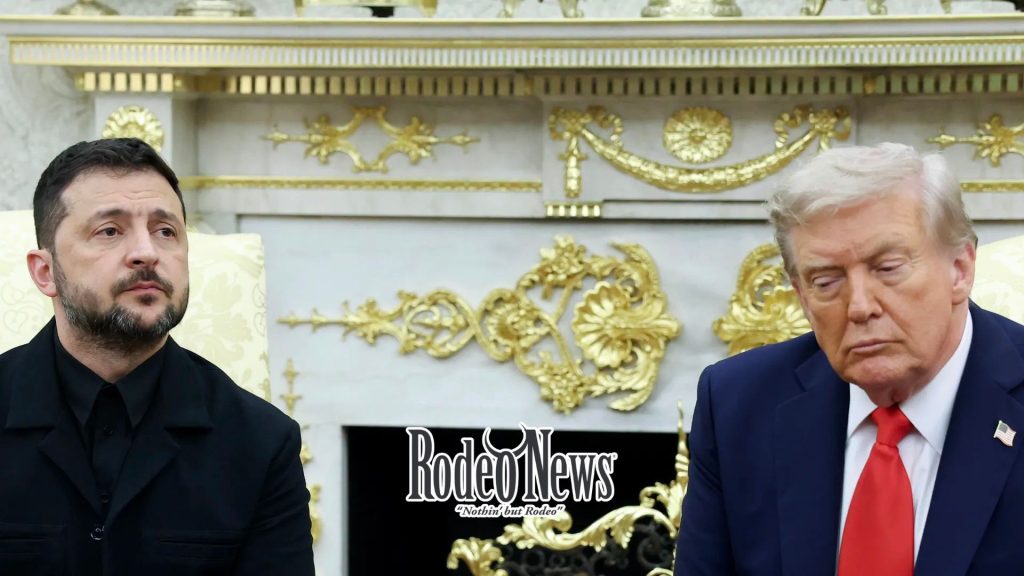
The plan has already sparked controversy, particularly due to the significant concessions it asks of Ukraine. While President Volodymyr Zelensky has expressed his willingness to discuss the proposal, he has been clear that Ukraine will not agree to a deal at any cost.
Why This Peace Plan Matters
The U.S. administration, under President Joe Biden, is pushing for a resolution to the war with an “aggressive timeline.” U.S. officials believe that without a negotiated deal, Ukraine could lose even more territory. For its part, Ukraine has already rejected some aspects of the plan, particularly the territorial concessions, but it hasn’t completely ruled out the idea of discussions.
Zelensky’s response to the plan has been cautious but open. He described the proposal as the “U.S. vision” for peace but emphasized that it is not a final offer. Ukraine remains firm on its “red lines” but is also keen to ensure that any agreement reflects its core interests.
Key Elements of the 28-Point Peace Plan
Here are the central provisions of the 28-point proposal, which range from territorial concessions to military restrictions and economic guarantees.
1. Ukraine’s Sovereignty and Security Guarantees
The plan affirms Ukraine’s sovereignty and includes the promise of reliable security guarantees from the United States. This would mark the first time that the U.S. has made a formal commitment to Ukraine’s defense during this conflict.
2. Military Limitations and NATO Commitments
Ukraine would be required to limit the size of its military to 600,000 personnel, down from the current 800,000-850,000. Additionally, Ukraine would have to enshrine in its constitution a commitment not to join NATO. This provision aims to address Russia’s longstanding opposition to NATO’s expansion into Eastern Europe.
3. Territorial Concessions and Neutral Zones
A key component of the plan is its treatment of contested territories. Crimea, Luhansk, and Donetsk would be recognized as de facto Russian territories. The plan also proposes freezing the status of Kherson and Zaporizhzhia along the current frontlines. Ukrainian forces would withdraw from parts of Donetsk, and a demilitarized buffer zone would be established between Ukrainian and Russian forces.
4. Military Response to Further Aggression
The proposal includes a “decisive coordinated military response” if Russia launches further incursions into Ukrainian territory. Sanctions on Russia would be reinstated if it violates the agreement, ensuring a deterrent against future aggression.
5. Economic Cooperation and Reconstruction
Trump’s peace plan includes a comprehensive package for rebuilding Ukraine’s war-torn infrastructure. The U.S. would partner with Ukraine to invest in critical sectors such as technology, artificial intelligence, and energy infrastructure. $100 billion in frozen Russian assets would also be allocated toward Ukraine’s reconstruction, which is expected to be a major long-term effort.
6. Russia’s Economic Reintegration
The proposal envisions Russia’s reintegration into the global economy. It calls for the gradual lifting of sanctions and a long-term economic cooperation agreement between the U.S. and Russia. This would include partnerships in energy, natural resources, and AI, among other sectors.
7. Humanitarian Aid and Prisoner Exchanges
On the humanitarian front, the plan proposes the establishment of a special committee to handle prisoner exchanges and the return of civilian detainees. There would also be a family reunification program, aimed at helping those separated by the war to reconnect.