
Louvre Museum Chief Resigns After High‑Profile Jewel Heist and Institutional Crisis
PARIS — The director of the world‑renowned Louvre Museum in Paris resigned on Tuesday, accepted by President Emmanuel Macron, after enduring months of mounting criticism following last year’s dramatic theft of French crown jewels and a series of institutional controversies that have shaken confidence in the leadership of the world’s most visited museum.
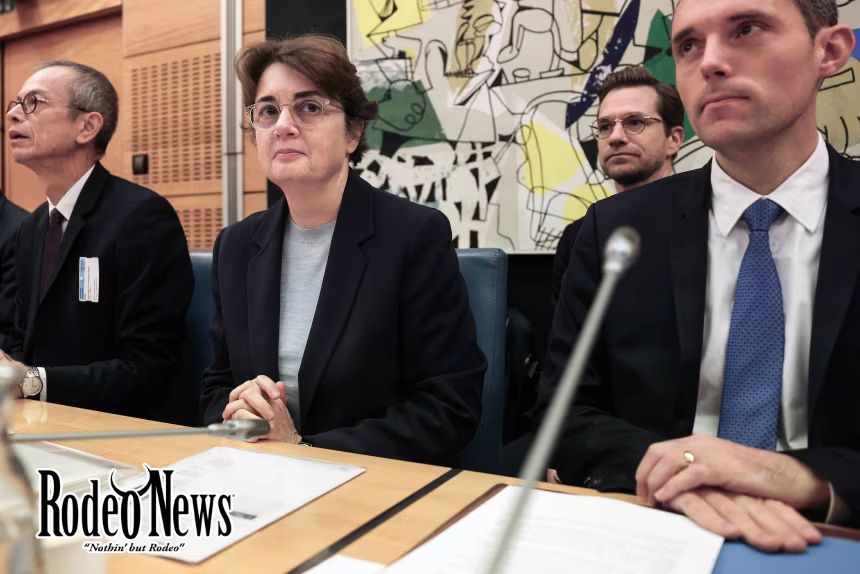
Laurence des Cars, who has led the Louvre since 2021, stepped down amid intense scrutiny over security failures exposed by the October 2025 crown jewels heist, continuing labor unrest among staff, and revelations of a long‑running ticket fraud investigation. Macron described the resignation as “an act of responsibility,” and said the museum now needs “calm and a strong new impetus” to press ahead with modernization efforts.
Aftermath of a Daring Heist
The controversy that ultimately precipitated des Cars’s departure stems from an audacious daylight robbery last October in which thieves made off with an estimated €88 million (about $100 million) worth of French crown jewels from the Louvre’s Galerie d’Apollon, exploiting longstanding security blind spots. In under eight minutes, the perpetrators forced their way into a gallery, shattered display cases and escaped — a fiasco that many in France have called one of the most humiliating breaches of cultural heritage security in living memory.
Although law enforcement has arrested several suspects, the stolen pieces remain missing, and public outcry over the embarrassing raid only intensified pressure on museum leadership. Des Cars had reportedly offered her resignation immediately after the incident, but at that time it was declined by officials.
Compounding Crises at the Louvre
The jewel heist was only the most visible of a series of challenges that have dogged the Louvre in recent months. Staff strikes over pay and working conditions have led to multiple closures, including wildcat walkouts that stranded tourists outside the museum’s iconic glass pyramid.
Further fueling criticism, investigators uncovered what authorities described as a suspected decade‑long ticket fraud scheme that may have cost the institution around €10 million. Prosecutors allege that tour guides reused tickets multiple times with possible assistance from some staff, highlighting systemic shortcomings in day‑to‑day controls.
Infrastructure problems have also plagued the historic site, with incidents such as water leaks after burst pipes near priceless works underscoring concerns over aging facilities that have struggled to keep pace with the demands of millions of annual visitors.
Macron’s Cultural Challenge
President Macron’s office welcomed des Cars’s departure as a necessary resetting moment for the venerable institution, which is at the heart of France’s cultural identity. Beyond seeking to restore trust, Macron has championed an ambitious overhaul plan — dubbed the “Louvre New Renaissance” — that aims to modernize the site’s infrastructure, improve visitor experience, and reinforce security.
The comprehensive transformation, expected to take a decade and cost up to €800 million, includes plans for a new entrance by the Seine River, expanded underground spaces, and a dedicated, timed‑access exhibition area for the Mona Lisa and other masterpieces. Critics, however, argue that such large‑scale projects cannot proceed effectively without addressing more fundamental operational issues that came to light during the past year’s crises.
Leadership and Legacy
Des Cars’s tenure at the Louvre was marked by efforts to navigate the post‑pandemic surge in tourism while advancing modernization goals. Yet the cumulative weight of security vulnerabilities, labor unrest, alleged fraud, and infrastructure complaints ultimately overshadowed those ambitions. Analysts say her resignation underscores the intense political and cultural stakes involved in managing an institution that is both a treasured national symbol and a global tourism powerhouse.
As the Louvre seeks new leadership to implement its sweeping reform agenda, the institution faces the dual challenge of repairing public trust and fortifying protections around its priceless collections — ensuring that an iconic bastion of culture does not again become defined by vulnerability.