Legendary Franchise Almost Left Hyrule for Space
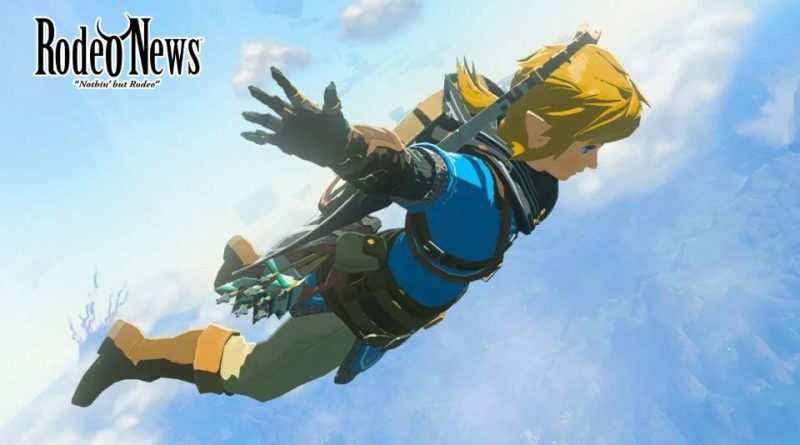
The Legend of Zelda franchise, now celebrating its 40th anniversary since debuting in Japan on February 21, 1986, is arguably one of gaming’s most enduring high-fantasy sagas. But rarely has its near-otherworldly roots been as literal as early concept art unearthed from behind the scenes — art that envisioned Link and Hyrule confronting spaceships, extraterrestrials and futuristic landscapes.
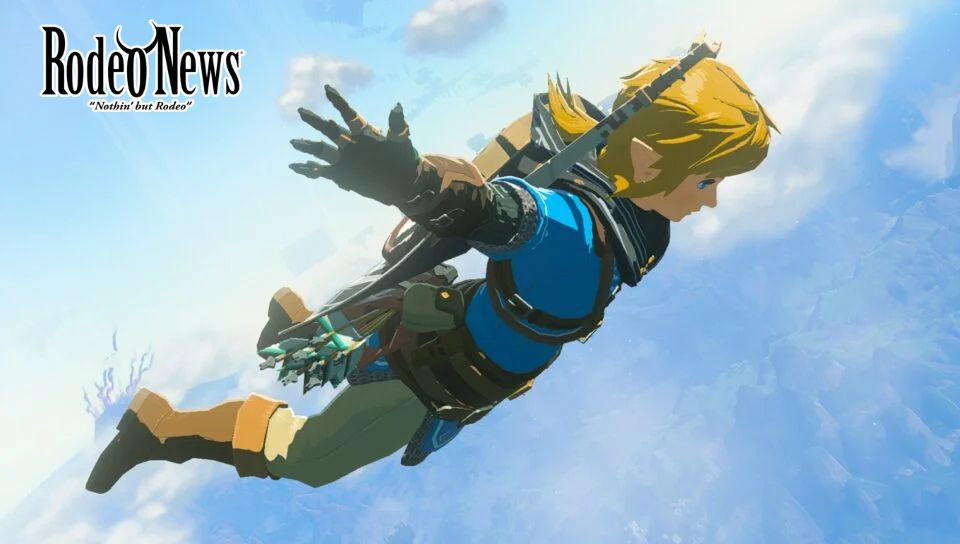
Seen through a talk by Breath of the Wild developers and newly highlighted around the anniversary, these early designs — collectively tied to an abandoned pitch titled The Legend of Zelda: INVASION — hint at a very different kind of Zelda. Instead of fantasy swords and ancient ruins, players would have found mysterious technology, UFOs descending on Hyrule fields, and a Link unrecognizable in both style and purpose.
From Swords to Spacecraft: The INVASION Pitch
During a retrospective talk about The Legend of Zelda: Breath of the Wild at a developers’ gathering, art director Satoru Takizawa shared a segment called “Trial and Error” in which team members recounted overall creative explorations. Among the sketches was a version of Zelda where Hyrule faced a full-blown extraterrestrial threat — complete with flying saucers, alien autopsies and spacemen.
One slide showed a sci-fi styled Link — clad in baggy denim, a striped winter hat, wielding a Triforce guitar and leaning on a motorcycle. Ganondorf appeared in a Metallica T-shirt, and entire sequences suggested an invasion narrative far removed from the medieval fantasy world fans have known for decades.
These ideas drew laughter from the audience — a testament to how far they were from Nintendo’s design ethos — and ultimately, the concept was shelved long before production ever began.
Roots in Time and Technology
Interestingly, this wasn’t the only time the series flirted with futuristic ideas. In early interviews, Zelda creator Shigeru Miyamoto toyed with concepts involving time travel and ancient civilizations intertwined with advanced technology — a notion that would evolve much more subtly in later titles.
Even the Sheikah technology introduced in Breath of the Wild — glowing mechanical ruins, ancient robotics — suggests echoes of that abandoned sci-fi concept, though applied with restraint. Materials like the Sheikah Slate and Guardians give Hyrule an uncanny technological undercurrent while staying rooted in fantasy.
Why It Never Became Reality
Despite the creative curiosity, Nintendo has always balanced innovation with brand identity. Legend of Zelda thrives on its blend of mythic storytelling, sword-and-sorcery aesthetics, and magical artifacts like the Triforce, which plays a central role across installments.
Pivoting to a space invasion narrative would have risked diluting that core. And while there is room for evolution — especially now as the franchise expands into movies, streaming and broader media — Nintendo has consistently chosen to protect the series’ fantasy roots.
Legacy and Enduring Influence
As Zelda marks four decades of exploration, puzzle-solving and lore-rich adventure, fan interest in alternate directions remains high. From discussions of futuristic reimaginings to debates over remakes of classic titles, the community’s creativity mirrors the franchise’s flexibility.
Yet the sci-fi pitch stands as a fascinating footnote — a glimpse at how The Legend of Zelda might have unfolded had its universe taken a very different path. Fans can only imagine how UFOs in Hyrule might have reshaped the series’ legacy.