Japan Earthquake Tsunami Warning: 7.7 Shock Hits
A powerful earthquake struck Japan, triggering an urgent tsunami warning and sending shockwaves across the Pacific region. The Japan earthquake tsunami warning quickly became a top global concern as authorities scrambled to assess damage and protect coastal communities.
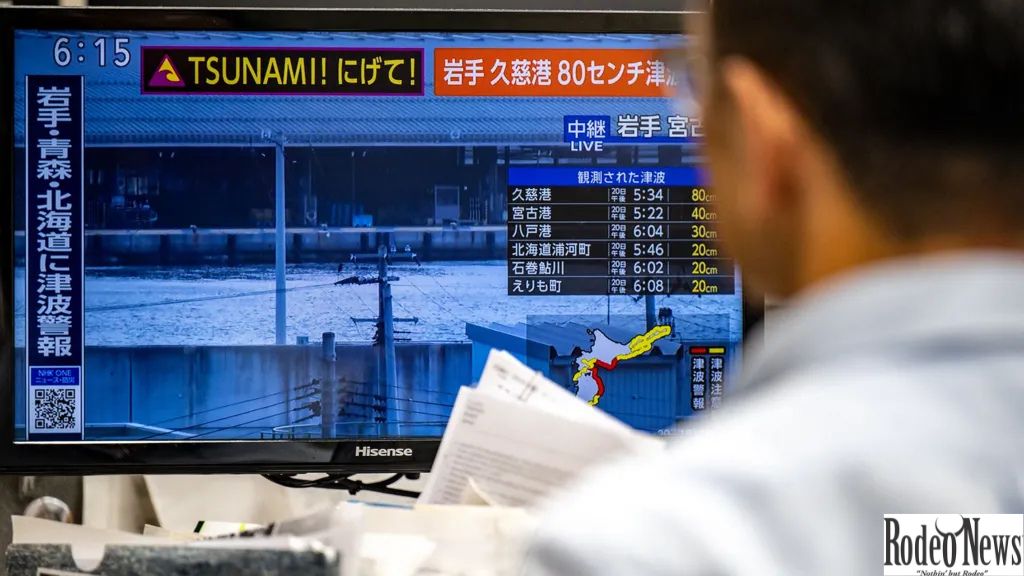
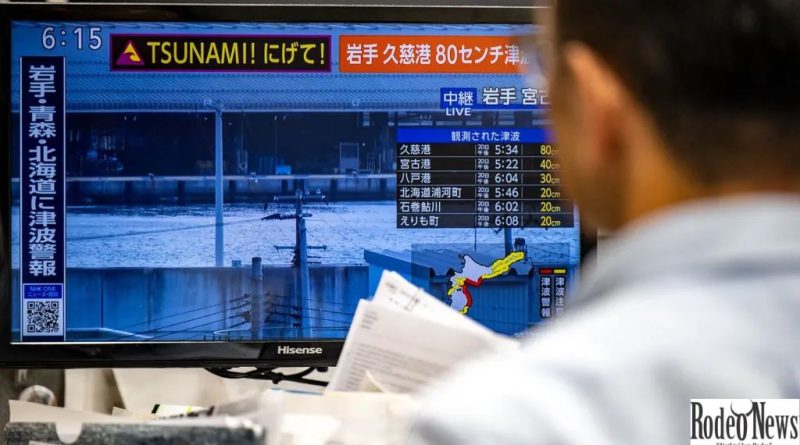
The quake, reported at a magnitude of approximately 7.7, hit offshore and was strong enough to prompt immediate alerts from Japan’s meteorological agency. Emergency systems activated within seconds, warning millions of residents to evacuate low-lying areas.
Immediate Impact and Emergency Response
The earthquake’s intensity was felt across a wide area, with buildings shaking violently and transportation systems temporarily halted. Officials confirmed that tsunami warnings were issued shortly after the tremor, urging residents near coastal regions to move to higher ground.
Japan’s early warning system, one of the most advanced in the world, played a critical role in minimizing panic and enabling rapid response. Trains were stopped, factories paused operations, and emergency broadcasts interrupted regular programming.
Authorities emphasized that the Japan earthquake tsunami warning should be taken seriously, even if initial waves appear small. Historically, tsunami waves can arrive in multiple surges, growing stronger over time.
Tsunami Threat and Coastal Risks
Following the quake, tsunami waves were expected to reach several coastal areas. While initial projections suggested moderate wave heights, officials warned that local geography could amplify the impact in certain regions.
Coastal towns, fishing communities, and port cities were placed on high alert. Emergency shelters were opened, and evacuation routes were activated to ensure residents could move quickly and safely.
Experts noted that undersea earthquakes of this magnitude often displace large volumes of water, increasing the risk of destructive waves. Even a relatively small tsunami can cause significant flooding, damage infrastructure, and disrupt livelihoods.
Japan’s Preparedness and Resilience
Japan is no stranger to seismic activity. Located along the Pacific Ring of Fire, the country experiences frequent earthquakes due to tectonic plate movements. Over the years, Japan has invested heavily in disaster preparedness and mitigation systems.
Strict building codes ensure that structures can withstand strong shaking. Public education campaigns regularly train citizens on how to respond during emergencies. Additionally, real-time monitoring systems allow authorities to issue warnings within seconds.
The rapid issuance of the Japan earthquake tsunami warning demonstrated the effectiveness of these systems. While the situation remained tense, preparedness measures significantly reduced the risk of large-scale casualties.
Comparisons to Past Disasters
The latest earthquake inevitably drew comparisons to previous disasters, particularly the devastating 2011 earthquake and tsunami. That event caused widespread destruction and led to the Fukushima nuclear crisis.
Although the current quake did not immediately show signs of similar catastrophic impact, officials remained cautious. Lessons learned from past events have shaped Japan’s current response strategies, ensuring faster evacuations and clearer communication.
Emergency responders were deployed across affected regions, conducting inspections and assisting residents. Authorities also monitored nuclear facilities to ensure there were no safety concerns.
International Monitoring and Pacific Alerts
The effects of the earthquake were not limited to Japan. Tsunami warning centers across the Pacific monitored the situation closely, issuing advisories for neighboring countries where necessary.
Countries along the Pacific coastline were alerted to the possibility of waves reaching their shores. While most areas faced minimal risk, precautionary measures were taken to ensure public safety.
Global attention remained focused on Japan as updates continued to emerge. The Japan earthquake tsunami warning became a reminder of how interconnected natural disasters can be, affecting multiple regions within hours.
Public Reaction and On-the-Ground Reports
Residents described moments of fear as the ground shook beneath them. Videos shared on social media showed swaying buildings, falling objects, and people rushing to safety.
Despite the initial panic, many residents followed official guidance calmly, moving to designated evacuation zones. This response reflected years of public education and disaster drills.
Emergency services reported that communication lines remained stable, allowing authorities to coordinate rescue and relief efforts effectively.
Infrastructure and Economic Impact
Early assessments suggested limited structural damage compared to the quake’s magnitude. However, transportation disruptions were widespread, with flights delayed and train services suspended temporarily.
Ports and coastal industries faced operational interruptions due to the tsunami warning. Fishing vessels were advised to remain offshore, while cargo operations were paused as a precaution.
Economists noted that while short-term disruptions were likely, Japan’s resilient infrastructure would help minimize long-term economic impact.
Scientific Insights into the Earthquake
Seismologists explained that the earthquake resulted from tectonic plate movement beneath the ocean floor. The sudden release of energy caused intense ground shaking and triggered the tsunami risk.
Researchers continue to analyze data from the event to better understand seismic patterns and improve prediction models. Each earthquake provides valuable insights that can enhance future preparedness.
The Japan earthquake tsunami warning also highlighted the importance of international collaboration in monitoring seismic activity and sharing data in real time.
Ongoing Monitoring and Safety Measures
Authorities continued to monitor aftershocks, which are common following major earthquakes. Residents were advised to remain cautious and stay informed through official channels.
Emergency teams remained on standby, ready to respond to any developments. Shelters provided food, water, and medical assistance to those affected.
Officials stressed that even after the initial threat passes, vigilance is essential. Secondary hazards such as landslides and infrastructure damage can pose ongoing risks.
What Residents Should Do
In the wake of the earthquake, authorities issued clear guidelines:
- Move to higher ground immediately if in a coastal area
- Avoid returning home until officials declare it safe
- Stay informed through official alerts and broadcasts
- Prepare emergency supplies in case of aftershocks
These measures are crucial in ensuring public safety during such events.
Global Lessons from the Event
The earthquake serves as a reminder of the importance of preparedness in disaster-prone regions. Countries around the world can learn from Japan’s approach to early warning systems and public education.
Investing in resilient infrastructure, conducting regular drills, and maintaining clear communication channels are key to reducing the impact of natural disasters.
The Japan earthquake tsunami warning underscores the need for continued innovation in disaster management and international cooperation.
Conclusion
The powerful earthquake that struck Japan and triggered a tsunami warning has once again highlighted the unpredictable nature of natural disasters. While the situation remains under close observation, Japan’s preparedness and swift response have played a crucial role in minimizing risks.
As updates continue to unfold, authorities urge residents to remain alert and follow safety guidelines. The world watches closely, reminded of both the القوة of nature and the importance of readiness.
Image ALT Text
Japan earthquake tsunami warning coastal evacuation scene