Iran War Update: 7 Shocking Hormuz Escalations
The latest Iran war update reveals a rapidly deteriorating situation in the Middle East, where a fragile ceasefire is holding by a thread while tensions continue to rise across multiple fronts. Despite the United States extending its ceasefire with Iran, new military incidents, ship seizures, and regional violence suggest the conflict is far from over.
From the strategic waters of the Strait of Hormuz to escalating clashes involving Israel and Lebanon, the crisis is now impacting global energy markets, international diplomacy, and civilian safety. Here are the seven most critical developments shaping the conflict right now.
1. Ceasefire Extended — But Conflict Continues
In a move aimed at buying time for diplomacy, former U.S. President Donald Trump extended the ceasefire with Iran. However, the decision has done little to ease tensions on the ground.
The ceasefire extension came without a clear timeline, creating uncertainty among global leaders. Meanwhile, military operations have not fully stopped, and both sides continue to accuse each other of violations.
This contradiction—peace on paper but conflict in practice—has become one of the defining features of this war phase.
2. Strait of Hormuz Turns Into a Flashpoint
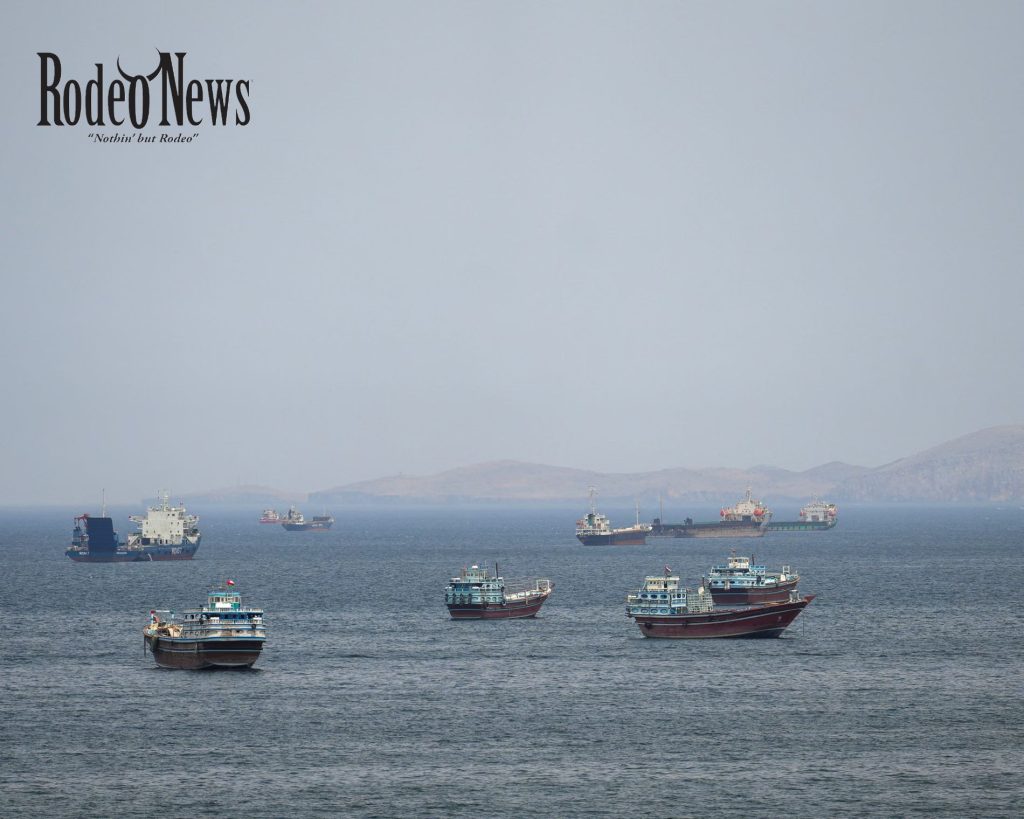
The Strait of Hormuz, one of the world’s most important oil routes, has become the epicenter of the crisis. The U.S. naval blockade remains in place, despite the ceasefire, effectively restricting Iranian oil exports.
Iran has called the blockade a direct violation of the truce, while Washington argues it is necessary to maintain pressure.
This standoff has transformed the region into a zone of “gunboat diplomacy,” where military presence replaces meaningful negotiation.
3. Iran Seizes Two Commercial Ships
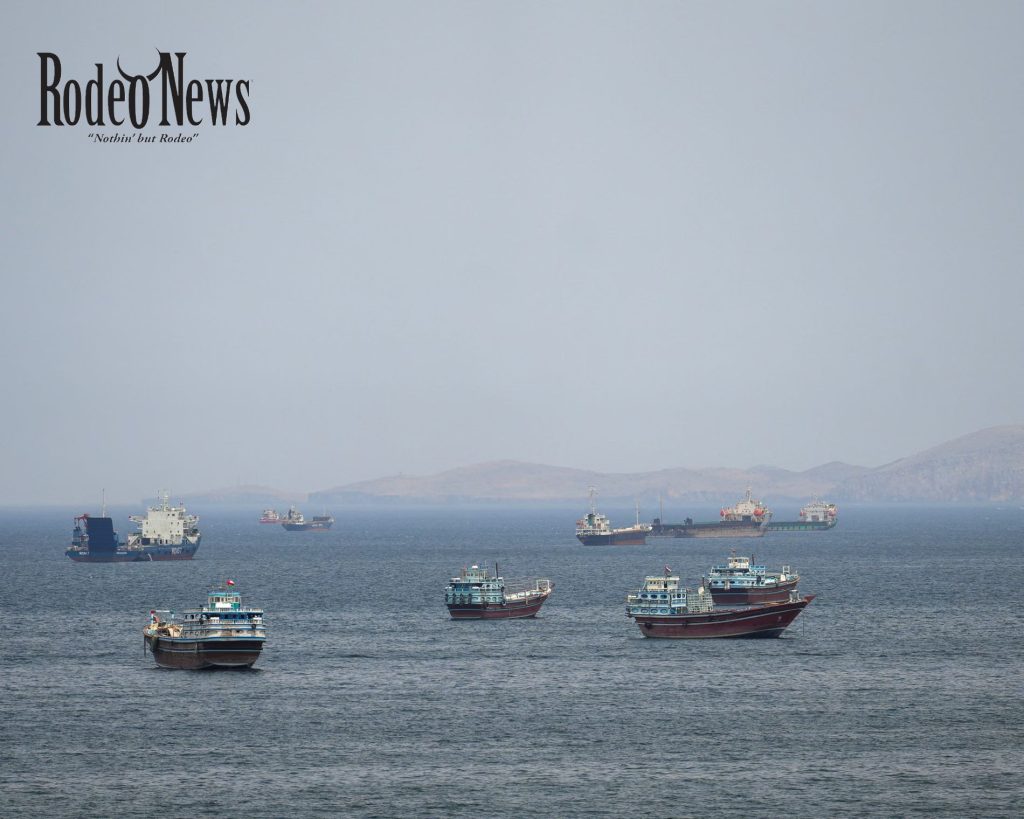
One of the most alarming developments in this Iran war update is Iran’s seizure of two commercial vessels in the Strait of Hormuz.
According to reports, Iran’s Revolutionary Guard detained the ships, claiming they were operating without authorization and manipulating navigation systems.
This marks a significant escalation and signals Tehran’s willingness to assert control over the critical waterway.
The move also raises concerns about freedom of navigation and international shipping safety.
4. Attacks on Ships Intensify Maritime Risk
In addition to seizures, multiple ships have reportedly come under attack in the region. These incidents highlight the increasing danger for commercial vessels operating in the Gulf.
Reports indicate that vessels were fired upon near Iranian waters, further complicating an already volatile maritime environment.
As a result, shipping companies are reconsidering routes, insurance costs are rising, and global trade faces new disruptions.
5. Israel-Lebanon Conflict Adds Another Layer
While global attention remains on U.S.-Iran tensions, violence between Israel and Lebanon continues to escalate.
Airstrikes in southern Lebanon have resulted in casualties, including civilians and journalists, sparking international criticism.
Despite a temporary ceasefire agreement between Israel and Hezbollah, violations persist, indicating that the broader regional conflict is deeply interconnected.
6. Global Energy Crisis Looms
The impact of the conflict is not limited to the Middle East. The disruption of oil shipments through the Strait of Hormuz is already affecting global markets.
Oil prices have surged, and countries around the world are experiencing fuel shortages and rising transportation costs.
Airlines have begun increasing fares, while governments are scrambling to secure alternative energy supplies. The situation underscores how regional conflicts can quickly evolve into global economic crises.
7. Peace Talks Remain Fragile and Uncertain
Diplomatic efforts are ongoing, with countries like Pakistan attempting to mediate between the U.S. and Iran. However, progress has been slow.
Iran has expressed reluctance to engage in talks while the blockade remains in place, while the U.S. insists on conditions related to nuclear activity and regional security.
This deadlock suggests that even with a ceasefire, a long-term resolution remains distant.
Why the Iran War Update Matters Globally
This Iran war update is not just a regional issue—it has far-reaching implications for global stability.
The Strait of Hormuz handles a significant portion of the world’s oil supply. Any disruption in this region affects energy prices, trade routes, and economic stability worldwide.
Moreover, the involvement of multiple actors—including the United States, Iran, Israel, and Lebanon—raises the risk of a broader regional war.
Humanitarian Impact Growing
Beyond geopolitics, the human cost of the conflict continues to rise.
Thousands have been killed across the region since the war began, with civilians bearing the brunt of the violence.
Displacement, infrastructure damage, and economic hardship are worsening conditions for millions of people.
Humanitarian organizations warn that the situation could deteriorate further if fighting resumes at full scale.
What Happens Next?
The future of the conflict remains uncertain. Several scenarios are possible:
- De-escalation through diplomacy: If negotiations succeed, tensions could gradually ease.
- Prolonged stalemate: Continued ceasefire violations could lead to a drawn-out conflict.
- Full-scale escalation: Any major incident could trigger a wider war.
Much will depend on whether both sides are willing to compromise—something that has proven difficult so far.
Conclusion
This Iran war update paints a picture of a region on edge. While a ceasefire technically exists, ongoing military actions, ship seizures, and political disagreements suggest that peace is fragile at best.
The Strait of Hormuz has emerged as the central battleground, with global consequences that extend far beyond the Middle East. Meanwhile, parallel conflicts, such as the Israel-Lebanon tensions, are adding further complexity.
As the world watches closely, one thing is clear: the situation remains volatile, unpredictable, and deeply consequential for global stability.