Bayern Struggle Against PSG in Tactical Champions League Battle
Bayern Munich’s Champions League semi-final clash against Paris Saint-Germain delivered a tense and emotionally charged encounter, but the final outcome left more questions than answers for the German giants.
Despite playing at home in the Allianz Arena, Bayern were held to a 1-1 draw and eliminated 6-5 on aggregate after a chaotic two-legged tie. The match has since sparked intense analysis around tactical discipline, player performance, and managerial decisions.
The Bayern vs PSG match analysis reveals a deeper story beyond the scoreline—one centered on fatigue, missed opportunities, and PSG’s superior control in key moments.
PSG Control the Tempo Despite Low Possession
One of the most striking elements of the match was PSG’s ability to dominate without needing the ball for long periods. Even though Bayern controlled possession in phases, PSG remained compact, disciplined, and dangerous on the counterattack.
From the opening minutes, PSG’s structure disrupted Bayern’s rhythm. Their pressing traps and defensive organization forced Bayern into rushed decisions and low-quality chances.
Reports from the match suggest Bayern never truly established consistent attacking flow, despite fielding a high-powered front line featuring Harry Kane, Michael Olise, and Jamal Musiala.
This imbalance highlights a recurring issue in Bayern’s European campaign: dominance in possession without sufficient penetration.
Harry Kane: Isolated Despite Scoring Presence
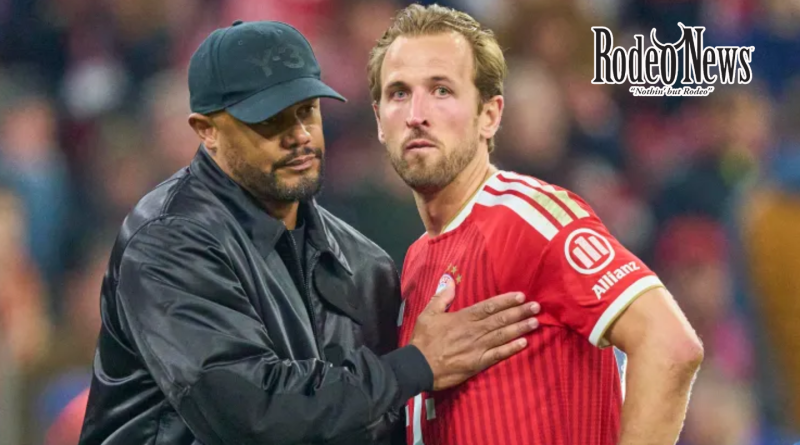
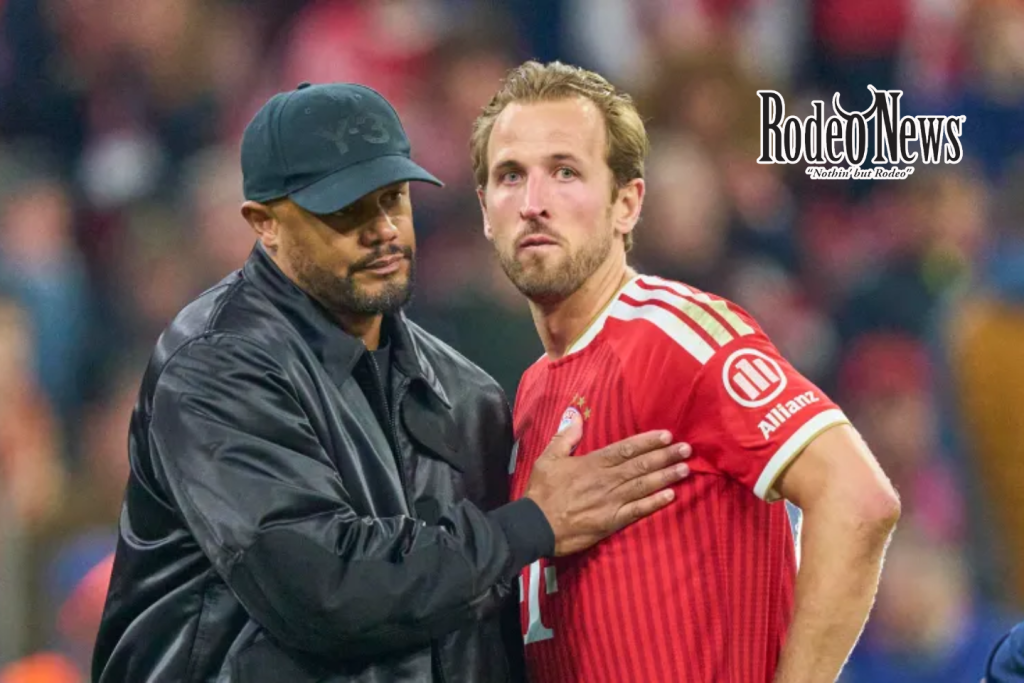
Harry Kane once again delivered moments of quality, including a late equalizer in the second leg. However, his overall influence was limited by PSG’s defensive structure.
Throughout the match, Kane was forced to drop deeper into midfield to receive the ball, often disconnected from Bayern’s attacking transitions. This reduced his ability to operate inside the box where he is most lethal.
Analysts noted that Kane was heavily “starved of service,” reflecting Bayern’s inability to progress the ball efficiently through PSG’s midfield block.
Despite his goal, the Bayern vs PSG match analysis shows Kane’s frustration was evident as he struggled to find consistent attacking support.
Michael Olise: Promising Talent Meets High-Stakes Pressure
Michael Olise, one of Bayern’s most dynamic attacking threats this season, endured a difficult night against PSG’s defensive organization.
Early in the match, Olise showed flashes of creativity and even forced defensive pressure, but his effectiveness quickly faded as PSG adjusted their marking strategy.
Key chances went unfinished, and his dribbling attempts were often neutralized by double marking and structured defensive pressure.
Analysts noted that Olise appeared physically and mentally fatigued, likely due to limited rotation in recent fixtures.
This performance serves as a reminder of the learning curve young attackers face at the highest level of European competition.
Vincent Kompany Faces Tactical Questions
Manager Vincent Kompany is now under increased scrutiny following Bayern’s elimination.
While his tactical approach has generally been praised throughout the season, the PSG tie exposed limitations in adaptability during high-pressure moments.
Key concerns raised include:
- Limited in-game tactical adjustments
- Heavy reliance on starting core players
- Lack of squad rotation impacting fatigue levels
- Inability to break PSG’s compact defensive system
The Bayern vs PSG match analysis suggests that Kompany’s system works well in domestic competition but struggles against elite European defensive setups.
Critics argue that Bayern lacked a “Plan B” when PSG successfully neutralized their attacking patterns.
Bayern’s Home Fortress No Longer Intimidating
One of the most worrying trends for Bayern is their declining dominance at the Allianz Arena in crucial European matches.
Traditionally considered one of the most intimidating stadiums in world football, Bayern’s home ground has recently become less decisive in knockout competitions.
In this match, PSG appeared comfortable absorbing pressure, even while under sustained Bayern attacks.
Bayern created chances but failed to convert them into high-quality scoring opportunities, a pattern that has now repeated in multiple Champions League knockout fixtures.
This psychological shift raises deeper questions about Bayern’s mentality in high-stakes games.
PSG’s Defensive Discipline Makes the Difference
While Bayern’s attacking issues were clear, PSG’s defensive execution deserves equal recognition.
Their back line remained compact, disciplined, and highly coordinated throughout both legs of the tie. Even under sustained pressure, PSG rarely lost shape.
Key strengths included:
- Compact midfield blocking passing lanes
- Quick transitions after regaining possession
- Strong aerial and box defending
- Effective game management in final minutes
PSG’s ability to absorb pressure while remaining dangerous on counters ultimately defined the tie.
Missed Chances Define Bayern’s Exit
Across both legs, Bayern created multiple high-quality opportunities but failed to capitalize at crucial moments.
Players like Kane, Olise, and Musiala all had chances that could have changed the outcome of the tie. However, finishing inconsistency proved costly.
The difference between the two teams ultimately came down to execution rather than structure.
PSG were clinical when chances arrived, while Bayern repeatedly fell short in decisive moments.
Tactical Summary: Why PSG Advanced
The Bayern vs PSG match analysis can be summarized through three key tactical differences:
- PSG’s Defensive Structure
Compact, organized, and highly disciplined under pressure. - Bayern’s Inefficiency in Final Third
High possession but low conversion of chances. - Midfield Control in Key Moments
PSG disrupted Bayern’s rhythm during transitions.
These factors combined to give PSG the edge across 180 minutes of football.
Emotional Impact and Fan Reaction
The result sparked strong emotional reactions from Bayern supporters, many of whom expressed disappointment at another Champions League semi-final exit.
Harry Kane’s visible frustration became a focal point among fans, especially given his search for major silverware.
At the same time, PSG fans celebrated another historic European final appearance, reinforcing their status as one of Europe’s most dominant modern clubs.
Conclusion
The Bayern vs PSG semi-final was a clash defined by fine margins, tactical discipline, and missed opportunities.
While Bayern showed moments of brilliance, particularly through Kane and occasional flashes from Olise, their inability to consistently break down PSG proved decisive.
Vincent Kompany now faces a critical evaluation period, as Bayern must address structural and psychological gaps if they hope to return stronger in future European campaigns.
For PSG, the victory confirms their evolution into a tactically mature and clinically efficient Champions League contender.