French Carrier Strike Group Enters Red Sea Amid Rising Hormuz Tensions
The French carrier strike group has officially transited the Suez Canal and entered the Red Sea as geopolitical tensions surrounding the Strait of Hormuz continue to escalate. The deployment signals Europe’s growing concern over maritime security in one of the world’s most strategically important shipping routes.
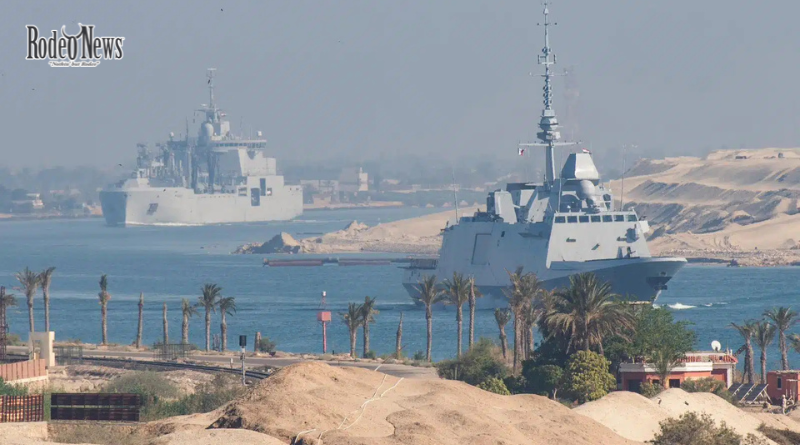
French military officials confirmed that the carrier-led fleet is now moving toward the Gulf of Aden after crossing through the Suez Canal earlier this week. The move comes at a time when international shipping traffic in the region faces mounting uncertainty due to the ongoing crisis involving Iran, the United States, and allied Western nations.
At the center of the deployment is the nuclear-powered aircraft carrier French aircraft carrier Charles de Gaulle, accompanied by several escort warships and support vessels from France and allied European navies.
Why the Strait of Hormuz Matters
The Strait of Hormuz is one of the most critical maritime chokepoints in the world. Roughly a fifth of global oil shipments normally pass through the narrow waterway connecting the Persian Gulf to the Arabian Sea.
In recent months, the region has become increasingly unstable following the wider 2026 Iran conflict. Commercial vessels have faced drone threats, missile attacks, insurance surcharges, and severe disruptions to maritime traffic. Several major shipping companies have already altered or suspended routes through the area.
The crisis has also triggered fears of a prolonged disruption to global energy markets. Oil prices have fluctuated sharply as traders monitor developments around Iranian naval activity and Western military deployments.
French President Emmanuel Macron has emphasized that the latest deployment is defensive in nature and intended to safeguard freedom of navigation rather than participate in offensive military operations.
French Carrier Strike Group Expands European Presence
The French carrier strike group deployment represents one of Europe’s most significant naval moves in the Middle East this year.
According to multiple reports, the task force includes allied ships from Italy and the Netherlands in addition to French naval assets. The fleet is expected to remain positioned in the Red Sea and Gulf of Aden while European leaders continue discussions over a possible multinational maritime security mission in the Strait of Hormuz.
Military analysts say the presence of the carrier group gives France and its allies the ability to rapidly respond to threats against commercial shipping routes without directly entering contested Iranian waters.
The deployment also demonstrates Europe’s increasing willingness to secure trade corridors independently from Washington-led operations.
Recent reports suggest that France and the United Kingdom have been coordinating plans for a future maritime protection mission that would focus on escorting civilian vessels and stabilizing shipping lanes once diplomatic conditions improve.
Charles de Gaulle at the Center of the Operation
The flagship of the deployment, the French aircraft carrier Charles de Gaulle, remains France’s only nuclear-powered aircraft carrier and one of the most advanced naval assets in Europe.
The vessel carries Rafale fighter jets, airborne early warning aircraft, helicopters, and advanced missile defense systems. Over the years, the carrier has participated in operations across the Mediterranean, Indian Ocean, and Middle East.
Defense observers note that the ship’s movement through the Suez Canal is strategically important because it places French air power within operational range of the Strait of Hormuz without requiring direct entry into the Persian Gulf.
The deployment is also intended to reassure commercial shipping companies and international insurers that Western naval forces remain committed to keeping trade routes open.
Shipping Industry Faces Growing Pressure
The ongoing Hormuz crisis has already affected global shipping patterns.
Insurance premiums for vessels traveling near the strait have surged dramatically since the conflict escalated earlier this year. Several container shipping giants temporarily suspended regional operations, while many oil tankers rerouted voyages to avoid high-risk zones.
Maritime security experts warn that any prolonged disruption in the area could create major supply chain problems worldwide.
The Red Sea and Suez Canal are equally important for global trade, especially for shipments traveling between Europe and Asia. As a result, European governments are increasingly focused on preventing instability from spreading westward into these trade corridors.
The latest French naval deployment is widely viewed as part of a broader effort to prevent further escalation while protecting commercial shipping interests.
Europe Attempts Diplomatic Balance
Unlike the United States’ more aggressive military posture in the region, France has repeatedly stressed diplomacy and de-escalation.
Officials in Paris have attempted to position the French-led initiative as a neutral maritime security effort rather than a direct military confrontation with Iran.
European leaders are reportedly exploring proposals that could allow safe commercial navigation while simultaneously reopening broader negotiations involving sanctions, nuclear concerns, and regional security.
However, analysts remain skeptical about whether Tehran will agree to any long-term arrangement without wider political concessions.
Iran has continued to view the Strait of Hormuz as a powerful strategic leverage point throughout the conflict.
Red Sea Deployment Signals Long-Term Strategy
The French carrier strike group’s arrival in the Red Sea may represent more than a temporary show of force.
Military experts believe the deployment highlights Europe’s broader ambitions to strengthen independent naval capabilities and secure vital maritime routes without relying entirely on NATO or U.S.-led missions.
France has increasingly expanded its naval operations across the Indo-Pacific, Mediterranean, and Middle East over the last several years. The latest mission further reinforces Paris’ role as Europe’s leading military power in maritime operations.
The operation also comes amid growing concerns about drone warfare, unmanned naval systems, and hybrid threats targeting global shipping lanes.
Naval planners are closely studying how modern conflicts are reshaping maritime security strategies, particularly in narrow chokepoints such as the Strait of Hormuz and the Bab el-Mandeb Strait.
Global Markets Continue Watching the Region
Financial markets and energy traders continue monitoring developments in the Gulf region closely.
Any further escalation could have immediate consequences for global oil prices, shipping costs, and supply chain stability. Economists warn that prolonged disruptions near the Strait of Hormuz could intensify inflation pressures in Europe and Asia.
For now, the French carrier strike group remains positioned as both a military deterrent and a diplomatic signal.
While officials insist the deployment is defensive, the movement of one of Europe’s most powerful naval assets into the Red Sea underlines the seriousness of the current regional crisis.
As international negotiations continue behind closed doors, the world’s attention remains fixed on whether diplomacy can prevent a wider maritime confrontation in one of the globe’s most vital waterways.