Iran War Tensions: Shocking Middle East Crisis Deepens
The ongoing Iran war tensions are rapidly reshaping the geopolitical landscape of the Middle East, raising alarm among global leaders and intensifying fears of a broader regional conflict.
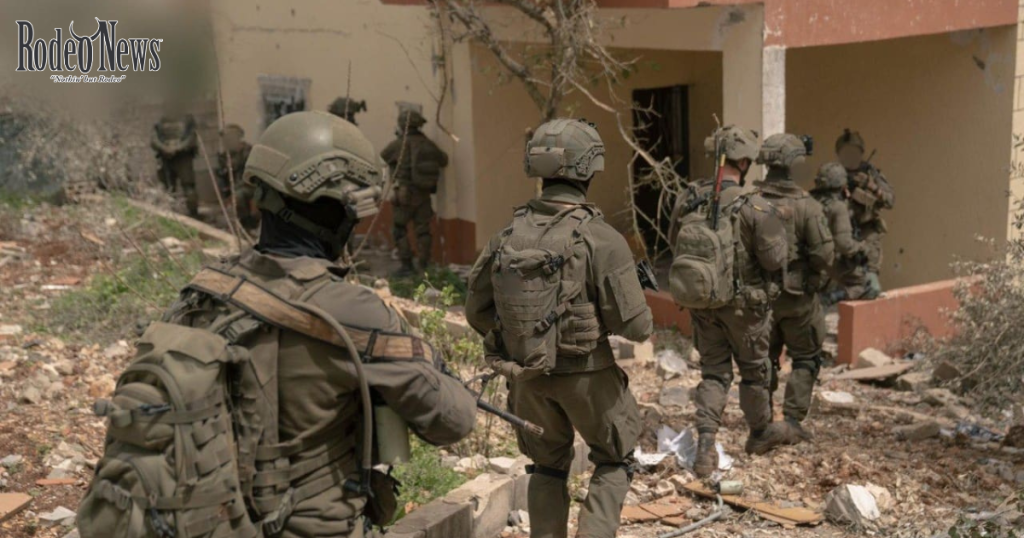
Recent developments reported by The Jerusalem Post indicate that the situation is far from stabilizing. Instead, a complex mix of military pressure, economic disruption, and diplomatic uncertainty is pushing the region into one of its most volatile periods in years.
A Region on Edge
The current wave of Iran war tensions stems from prolonged hostilities involving Iran, Israel, and the United States. While temporary ceasefires and negotiations have been discussed, the underlying conflict remains unresolved.
Experts warn that the situation is not merely a localized dispute. Instead, it reflects deeper structural tensions, including:
- Iran’s long-standing regional ambitions
- Israel’s security concerns
- US strategic involvement in the Middle East
Recent reports suggest that Iran continues to maintain a firm stance, signaling that any agreements or ceasefires are unlikely to alter its long-term objectives.
Military Pressure and Strategic Moves
One of the most critical aspects of the Iran war tensions is the continued military pressure applied by multiple sides.
According to recent updates, Western and allied forces are increasing efforts to constrain Iran’s strategic capabilities, particularly its maritime trade and oil exports.
This includes:
- Naval operations targeting key Iranian ports
- Strategic monitoring of oil storage facilities
- Increased military presence in vital shipping routes
These measures are designed to weaken Iran’s economic backbone, which heavily depends on oil exports.
However, such actions also carry significant risks. Analysts warn that aggressive military pressure could provoke retaliation, further escalating the conflict.
Strait of Hormuz: A Global Flashpoint
At the center of the crisis lies the Strait of Hormuz, one of the world’s most important oil transit chokepoints.
Disruptions in this region have already caused ripple effects across global markets. Oil prices have surged, and supply chains are under strain as shipping routes become increasingly uncertain.
Recent intelligence indicates that tensions in the Strait of Hormuz are contributing to:
- Rising global fuel costs
- Increased economic instability
- Growing concerns among energy-dependent nations
The strategic importance of this narrow waterway means that even minor disruptions can have outsized global consequences.
Economic Shockwaves Worldwide
The impact of Iran war tensions is not confined to the Middle East. Instead, it is being felt across the global economy.
Countries far from the conflict zone are already experiencing:
- Fuel price spikes
- Higher transportation costs
- Disruptions in trade logistics
In some regions, fuel prices have reportedly surged by as much as 70%, significantly affecting daily life and essential services.
These economic pressures highlight how interconnected the modern global system has become. A conflict in one region can quickly translate into financial strain worldwide.
Diplomatic Efforts and Ceasefire Talks
Despite the escalating situation, diplomatic efforts are ongoing.
Reports indicate that negotiations involving international stakeholders are attempting to:
- Extend ceasefire agreements
- Facilitate dialogue between opposing sides
- Prevent further military escalation
However, these efforts face significant challenges.
Iran has reportedly expressed skepticism toward negotiations conducted under pressure, emphasizing that it will not concede to demands imposed by external forces.
This stance complicates diplomatic progress and raises doubts about the likelihood of a long-term resolution.
The Role of Regional Proxies
Another factor intensifying the Iran war tensions is the involvement of regional proxy groups.
These groups operate across multiple countries, including:
- Lebanon
- Syria
- Iraq
Their actions often blur the line between localized conflicts and broader geopolitical strategies.
Recent incidents suggest that proxy forces continue to engage in hostilities, even during periods of supposed ceasefire.
This makes it increasingly difficult to achieve lasting peace, as multiple actors with varying agendas are involved.
Rising Risk of Wider Conflict
Perhaps the most concerning aspect of the current situation is the growing risk of a wider regional war.
Several warning signs are emerging:
- Continued military build-ups
- Escalating rhetoric from political leaders
- Increasing frequency of localized attacks
Experts caution that even a single miscalculation could trigger a chain reaction, drawing additional countries into the conflict.
Such a scenario would not only destabilize the Middle East but could also have far-reaching global implications.
Public Impact and Human Cost
Beyond geopolitical strategies and economic consequences, the Iran war tensions are having a direct impact on ordinary people.
Communities across the region are facing:
- Displacement due to conflict
- Damage to infrastructure
- Psychological stress and uncertainty
In conflict zones, daily life has become increasingly difficult, with many residents struggling to access basic necessities.
The human cost of the crisis underscores the urgency of finding a sustainable solution.
A Conflict Without a Clear End
One of the defining characteristics of the Iran war tensions is the lack of a clear endgame.
Key questions remain unanswered:
- What conditions would lead to a lasting ceasefire?
- Can diplomatic efforts overcome deep-rooted mistrust?
- Will external powers escalate or de-escalate their involvement?
Without clear answers, the conflict risks becoming a prolonged and entrenched crisis.
What Comes Next?
Looking ahead, several scenarios are possible:
1. Controlled De-escalation
Diplomatic efforts succeed in stabilizing the situation, leading to a temporary reduction in hostilities.
2. Continued Stalemate
The conflict remains unresolved, with periodic flare-ups and ongoing tensions.
3. Major Escalation
A significant incident triggers a broader regional war, involving multiple countries.
At present, the situation appears to be leaning toward a prolonged stalemate, with intermittent escalations.
Conclusion
The Iran war tensions represent one of the most significant geopolitical challenges of our time.
As military pressure intensifies, economic impacts spread globally, and diplomatic efforts struggle to gain traction, the risk of a broader crisis continues to grow.
While progress has been made in understanding the dynamics of the conflict, a lasting resolution remains elusive.
For now, the world watches closely as events unfold, aware that the consequences of this crisis extend far beyond the Middle East.