Mexico Pledges Safety for World Cup After Cartel Violence Follows El Mencho Killing
Mexico’s government has sought to reassure football fans and international visitors that the country will remain safe for the 2026 FIFA World Cup, after a surge of violence followed the reported killing of one of the nation’s most notorious cartel leaders.
President Andrés Manuel López Obrador said there was “no risk” to tourists or teams expected to attend matches across Mexican host cities, insisting security plans for the tournament remain firmly in place despite unrest triggered by the death of Jalisco New Generation Cartel leader Nemesio Oseguera Cervantes, widely known as “El Mencho.”
Violence Erupts After Military Operation
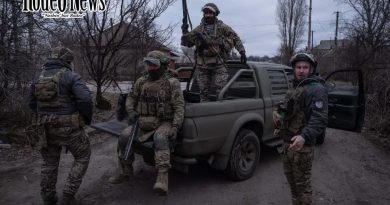
The violence began shortly after Mexican armed forces carried out a high-level operation targeting cartel leadership. Reports that El Mencho had been killed — though details remain tightly controlled by authorities — sparked retaliatory attacks across parts of western Mexico.
Gun battles were reported in several municipalities, while vehicles were set ablaze to block highways. Social media footage showed plumes of smoke rising from major roads as armed groups attempted to disrupt military movements and sow panic.
Security analysts say such tactics are consistent with the playbook of the Jalisco New Generation Cartel (CJNG), one of Mexico’s most powerful and militarized criminal organizations. The group has previously demonstrated its capacity to paralyze cities in response to government crackdowns.
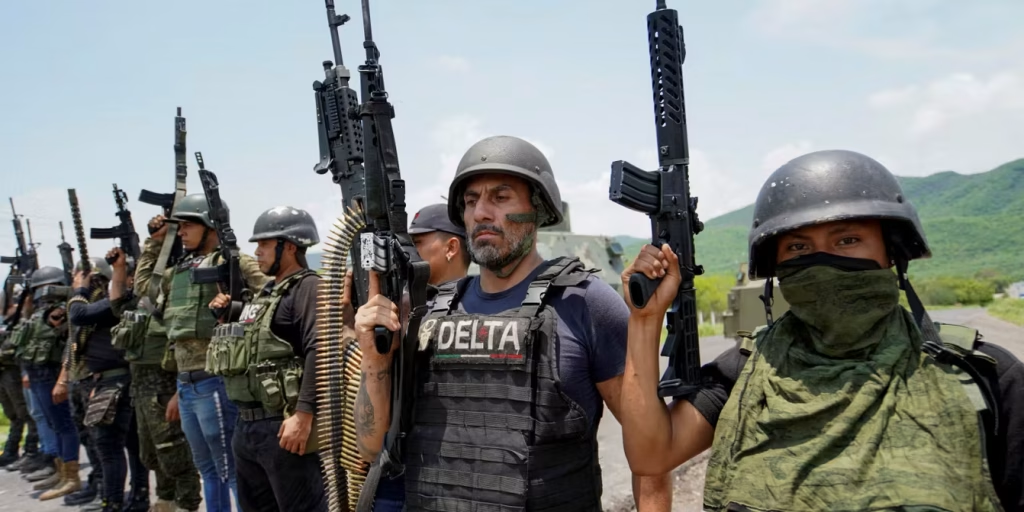
Federal forces, backed by the National Guard, moved swiftly to restore order. By the following day, officials said major routes had reopened and patrols had intensified to prevent further escalation.
“No Risk” to World Cup Visitors
Mexico is set to co-host the 2026 FIFA World Cup alongside the United States and Canada, marking a historic expansion of the tournament. Matches are scheduled to take place in Mexico City, Guadalajara and Monterrey — cities that will host thousands of international supporters.
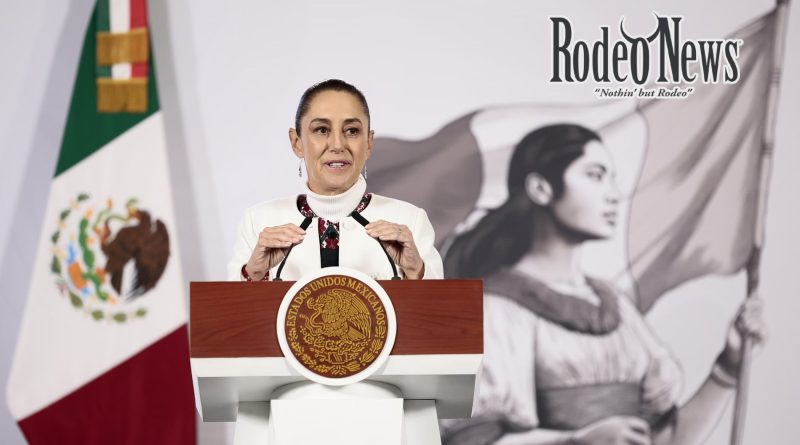
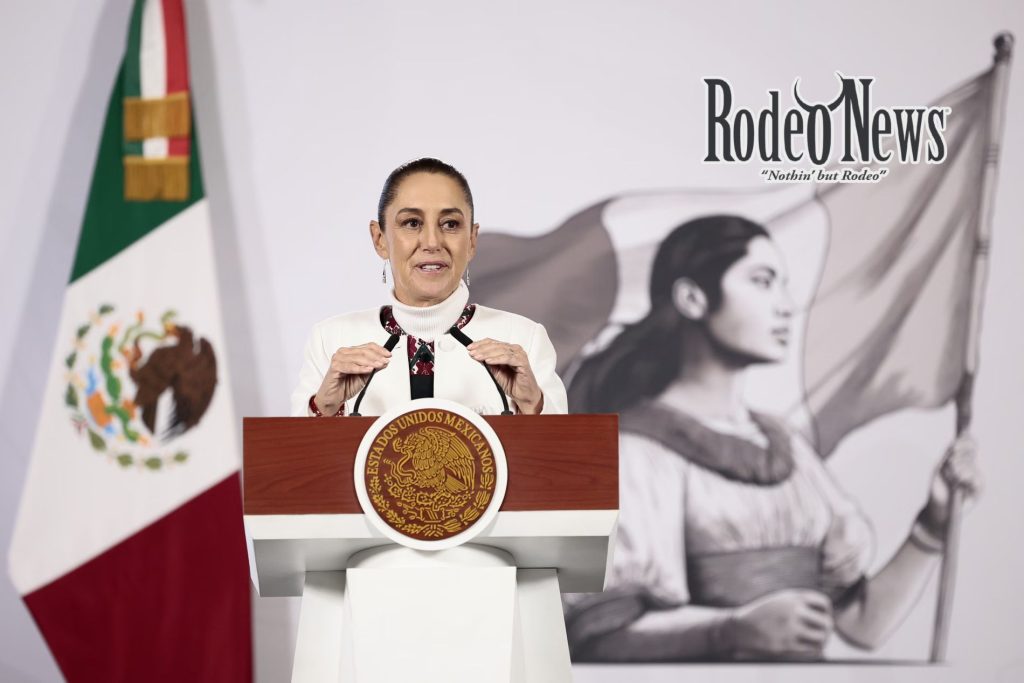
Speaking at his daily press briefing, President López Obrador dismissed suggestions that recent violence could undermine preparations for the global event.
“There is no risk for those who will visit us for the World Cup,” he said, emphasizing that the unrest was localized and that security forces maintain control of host regions.
Officials within Mexico’s security cabinet echoed that message, pointing to long-term planning efforts coordinated with FIFA and international law enforcement agencies.
Cartel Power and Government Strategy
The reported death of El Mencho would represent a major blow to the CJNG, which rose rapidly over the past decade to challenge the dominance of older criminal syndicates. The cartel is known for its aggressive expansion, high-powered weaponry, and brazen public displays of force.
Security experts caution, however, that leadership decapitation does not always weaken cartels. In some cases, it triggers internal power struggles or splinter groups that intensify violence in the short term.
Mexico has spent years attempting to recalibrate its security strategy. López Obrador’s administration shifted rhetoric away from a full-scale “war on drugs,” favoring social programs and targeted operations over large military offensives. Yet high-profile raids against cartel leaders have continued, particularly when international pressure mounts.
The United States has previously designated the CJNG as a major transnational criminal organization, citing its role in drug trafficking networks that extend far beyond Mexico’s borders.
A Delicate Moment Ahead of 2026
With less than two years before the opening whistle of the 2026 tournament, Mexico faces the challenge of balancing global scrutiny with domestic security realities.
Hosting the World Cup carries enormous symbolic and economic weight. Officials project billions in tourism revenue and renewed international confidence in Mexico’s infrastructure and hospitality sectors.
But the spectacle of burning vehicles and armed roadblocks revives memories of previous cartel retaliation campaigns, including the 2019 “Culiacanazo,” when security forces briefly detained a cartel leader only to release him after coordinated attacks overwhelmed local authorities.
This time, federal officials insist the situation is different — better planned, better coordinated, and quickly contained.
International Reassurance Efforts
Diplomatic channels have also been activated. Mexican officials are expected to brief FIFA representatives and partner governments on security conditions in host cities. Early indications suggest no changes to tournament planning.
Travel advisories from foreign governments have not been significantly altered in response to the recent unrest, though analysts say the situation remains fluid.
For many Mexicans, the tension reflects a familiar paradox: moments of progress often collide with the entrenched realities of cartel power. While major urban centers prepare stadium renovations and transport upgrades for the World Cup, rural and contested territories continue to experience cycles of violence.
Looking Ahead
Whether the reported killing of El Mencho marks a turning point or another chapter in Mexico’s long struggle with organized crime remains unclear.
What is certain is that global attention will increasingly focus on the country as 2026 approaches. For the government, maintaining stability is not only a security imperative but a reputational one.
For now, officials are projecting confidence. The message from Mexico City is unequivocal: the World Cup will go ahead as planned, and visitors will be safe.
Behind that assurance lies a deeper test — whether the state can contain the shockwaves of cartel upheaval while preparing to welcome the world.