Iran War Could Spark Oil‑Driven “Butterfly Effect,” Prolong U.S. Inflation, Top Economist Says
By [Your Name] | March 12, 2026
NEW YORK — The ongoing war involving Iran could trigger a far‑reaching economic “butterfly effect,” significantly disrupting energy markets and prolonging inflation in the United States and beyond, according to a new forecast from KPMG’s chief economist, Diane Swonk. The warning comes as oil prices surged in response to expanding geopolitical turmoil in the Middle East.
Drawing on the concept popularized in the film Jurassic Park — where small initial events cascade into major consequences — Swonk’s analysis highlights how conflict‑related energy disruptions could ripple through the global economy, complicating efforts by policymakers to rein in inflation and sustain growth.
Oil Prices and Inflation: Two Scenarios
In her Economic Compass outlook report, Swonk outlines two potential scenarios for the war’s impact on oil markets and inflation:
- Base Case: If the conflict lasts a few weeks and major shipping routes reopen, oil prices would initially spike before receding, leaving a lingering “risk premium” because of damaged infrastructure. Even in this scenario, inflation could climb higher late in 2026.
- Prolonged Conflict: Should the war extend for three to six months and cause substantial destruction to regional oil output, crude prices could exceed $130 per barrel, keeping prices elevated for almost a year and possibly longer.
Swonk’s analysis suggests that under the prolonged scenario, core U.S. inflation could reach approximately 4.1% by year’s end, a level not seen since mid‑2023. Even under the shorter timeline, inflation might rise above 3% in late 2026 — significantly higher than the Federal Reserve’s 2% target.
Why the “Butterfly Effect” Matters
The core of Swonk’s argument hinges on the way global oil markets operate: supply shocks can spread through nearly every corner of an economy, affecting fuel costs, consumer goods prices, transportation expenses and business input costs. Since the Strait of Hormuz — a strategic chokepoint for roughly a fifth of global oil shipments — has been disrupted by conflict, markets are pricing in both risk and uncertainty.
“Oil production isn’t like switching a light on and off,” Swonk wrote. “When production is curtailed, bringing it back online takes time — especially if facilities are damaged… That delay keeps prices elevated even as tensions ease.”
Such a chain reaction — where a geopolitical conflict spirals into prolonged energy price shocks and broader inflation — is what economists describe as a butterfly effect in macroeconomic terms.
Economic Growth and Policy Implications
A sustained oil shock could also shave growth from the U.S. economy. In projects outlined in Swonk’s report, GDP growth could dip below 2% late in 2026, and remain subdued into early 2027 if prices stay historically high.
Such inflationary pressures may also constrain monetary policy. The Federal Reserve has already been cautious about cutting interest rates, in part because of inflationary risks tied to energy and food costs. A longer‑lasting oil shock would likely delay any rate relief, potentially until early 2027 or later, Swonk’s analysis suggests.
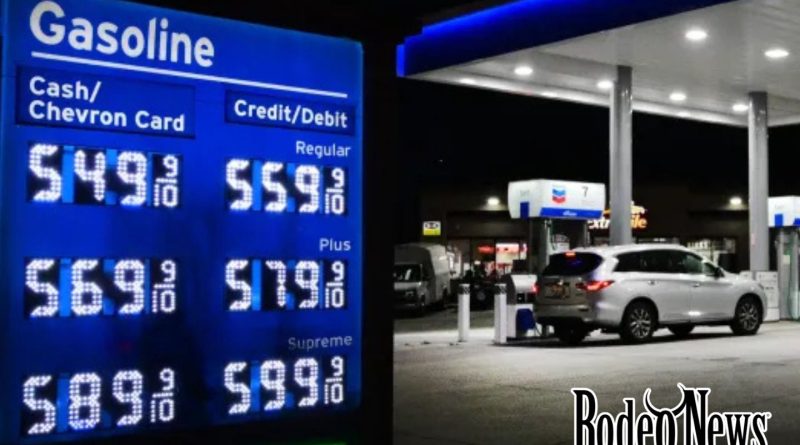
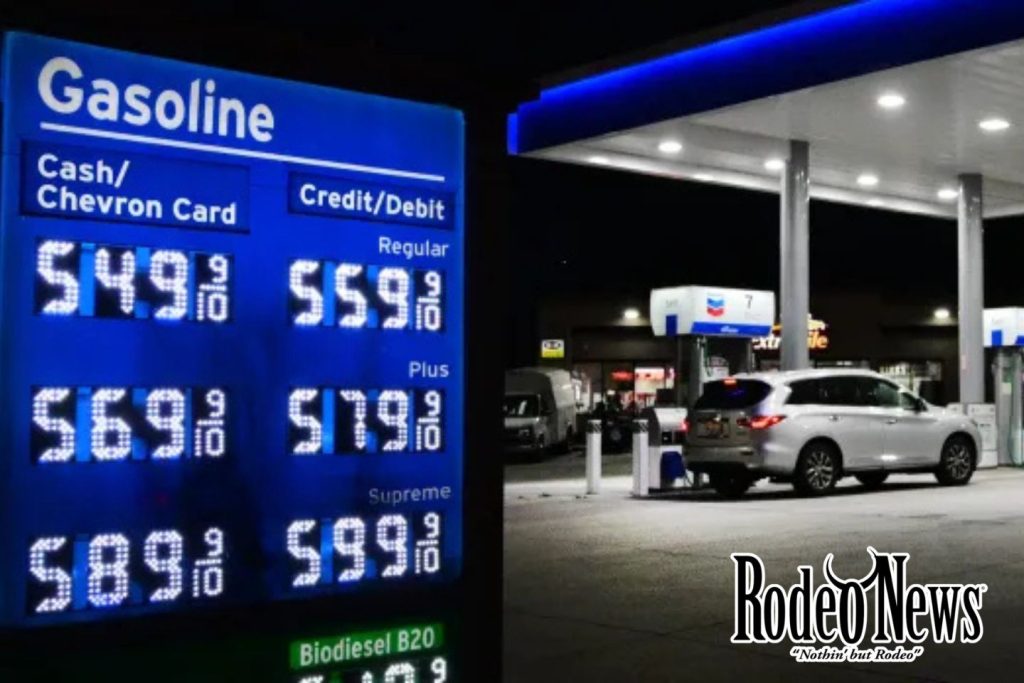
Market responses have been volatile: oil has traded in a wide range over recent days, whipping between highs near $120 a barrel and dips under $90, reflecting traders’ uncertain outlook on the trajectory of the conflict.
Broader Context: Inflation Before the Shock
Even before the war’s outbreak, U.S. inflation remained stubbornly above pre‑pandemic norms, especially in energy and food categories. Recent data showed consumer prices higher year‑over‑year, partly driven by volatile costs at the pump and lingering supply chain disruptions.
An oil shock layered atop these trends could stretch consumer budgets further and chip away at real incomes, particularly for lower‑ and middle‑income households that spend a larger share of their earnings on essentials such as fuel and groceries.
Uncertain Endgame in the Middle East
President Donald Trump has offered mixed messages on how long the conflict will last, at times suggesting an imminent end and at others reaffirming a tougher, drawn‑out campaign. Iranian leaders, by contrast, have signaled their willingness to engage in extended combat if necessary — a dynamic that feeds into the market’s uncertainty and reinforces the potential for a sustained economic ripple effect.
Economists warn that in fragile economic environments, even seemingly small disruptions — like a temporary closure of an oil trade route — can magnify into much larger consequences, complicating recovery efforts and policy responses.
Looking Ahead
Whether the war’s economic impact will be temporary or long‑lasting remains a key question for markets and policymakers alike. But for now, the shadow of a prolonged oil price shock — and its potential to inflame inflation well into 2027 — highlights how tightly interconnected global geopolitics and domestic economics have become.