Iran War Market Sell-Off: 7 Shocking Risks Revealed
The Iran war market sell-off is sending shockwaves across global financial markets, triggering sharp declines in major indexes and raising serious concerns about inflation, energy prices, and economic stability. As tensions escalate in the Middle East, investors are rapidly reassessing risk, leading to one of the most volatile market environments in recent years.
The situation intensified after the outbreak of the 2026 Iran conflict, which disrupted critical oil supply routes and heightened geopolitical uncertainty. As a result, markets that once showed resilience are now showing clear signs of stress.
A Rapid Market Downturn Across Major Indexes
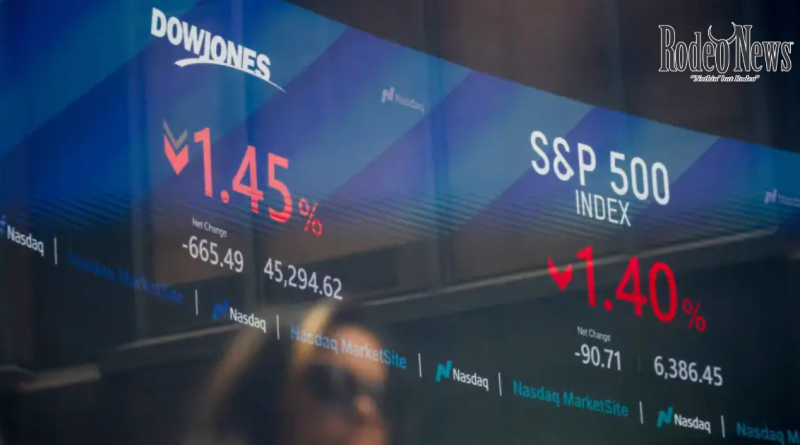
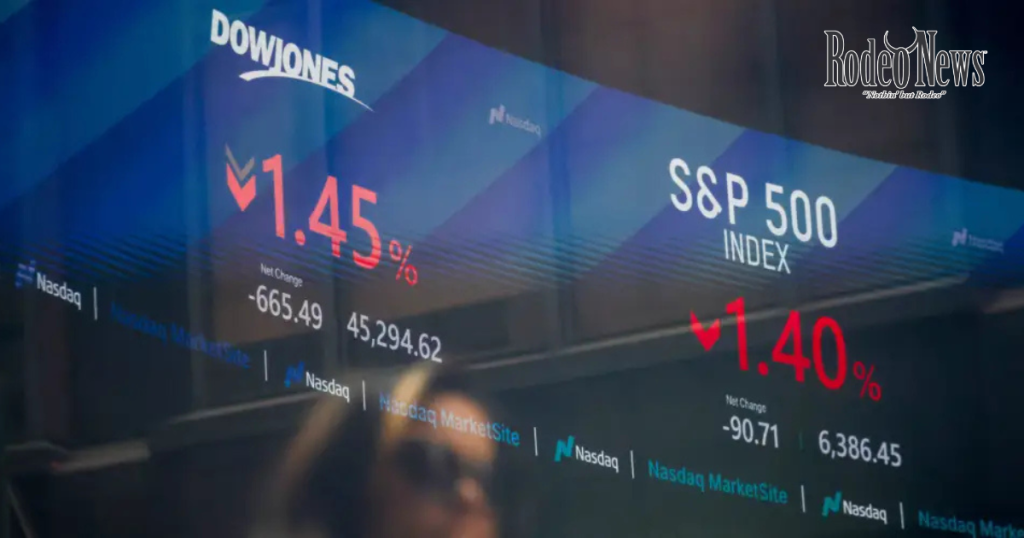
Global equities have experienced a sharp decline, with major benchmarks entering correction territory. The Dow Jones and Nasdaq have both dropped more than 10% from recent highs, while the S&P 500 is nearing similar losses.
This widespread decline reflects growing investor anxiety. Analysts point to geopolitical instability as a primary driver, especially as the conflict threatens global trade routes and energy supplies.
Meanwhile, markets in Asia and Europe have also suffered, highlighting the global nature of the crisis. Emerging markets, in particular, have been hit hard due to capital outflows and currency pressure.
Oil Prices Surge, Fueling Market Panic
One of the biggest triggers of the Iran war market sell-off is the dramatic spike in oil prices. Brent crude has surged past $110 per barrel amid fears of supply disruptions.
The Strait of Hormuz—responsible for a significant portion of global oil shipments—has become a focal point of concern. Ongoing disruptions and threats to shipping routes have pushed energy markets into turmoil.
Higher oil prices are not just an energy issue—they ripple across the entire economy, increasing costs for businesses and consumers alike.
Inflation Fears Intensify Worldwide
Rising energy costs are fueling inflation fears across global economies. Central banks now face a difficult balancing act between controlling inflation and supporting growth.
Recent projections suggest inflation could rise significantly in 2026, reversing earlier progress.
This creates a dangerous scenario where consumers face higher costs for essentials like fuel, food, and housing—all at the same time.
The Return of Stagflation Risks
Economists are increasingly warning about stagflation—a combination of slow economic growth and high inflation.
The Iran conflict has created conditions similar to past energy crises, where rising oil prices weakened economic output while driving up costs.
If the conflict continues, the global economy could face prolonged stagnation, making recovery more difficult and uneven.
Investor Confidence Is Fading Fast
Another critical factor behind the Iran war market sell-off is declining investor confidence.
Market participants are reacting not only to the war itself but also to inconsistent policy signals. Analysts say that uncertainty around government responses has weakened trust in market stability mechanisms.
This loss of confidence is accelerating sell-offs, as investors move funds into safer assets like gold and cash.
Global Capital Flight and Market Volatility
The sell-off is not limited to the United States. Investors worldwide are pulling money out of equities, particularly in emerging markets.
For example, foreign investors have withdrawn massive amounts from major economies, signaling a broader shift toward risk aversion.
This trend increases volatility and can create a feedback loop—falling markets trigger more selling, which pushes prices even lower.
Consumer Impact: A Triple Economic Shock
The Iran war market sell-off is not just affecting investors—it is hitting consumers directly.
Higher fuel prices, rising inflation, and declining asset values are combining into what economists call a “triple shock.”
Consumers are already responding by cutting spending, delaying purchases, and seeking cheaper alternatives. This behavioral shift could further slow economic growth.
Could the Market Be Overreacting?
Despite the negative outlook, some experts believe the market reaction may be exaggerated.
Certain analysts argue that while the geopolitical situation is serious, underlying economic fundamentals remain relatively strong. They suggest that markets could stabilize if the conflict is contained or resolved quickly.
Historical patterns also show that markets often recover after geopolitical shocks—though the timeline can vary significantly.
Long-Term Economic Consequences
The long-term impact of the Iran war market sell-off will depend largely on how the conflict evolves.
If disruptions to oil supply persist, the global economy could face:
- Sustained high energy prices
- Slower GDP growth
- Increased borrowing costs
- Continued market volatility
Some forecasts already indicate a downward revision in global growth expectations due to the conflict.
7 Key Risks Investors Should Watch
To better understand the situation, here are the 7 most critical risks driving the Iran war market sell-off:
1. Oil Supply Disruptions
Any prolonged blockage of key shipping routes could worsen energy shortages.
2. Persistent Inflation
Higher oil prices may keep inflation elevated longer than expected.
3. Interest Rate Pressure
Central banks may delay rate cuts or even tighten policy further.
4. Global Recession Risk
Weak growth combined with inflation could tip economies into recession.
5. Geopolitical Escalation
Expansion of the conflict would amplify market instability.
6. Investor Panic Selling
Continued fear-driven selling could deepen market losses.
7. Policy Uncertainty
Inconsistent government responses may undermine confidence further.
What Happens Next?
The future of the Iran war market sell-off remains uncertain. Much will depend on geopolitical developments, particularly whether the conflict escalates or moves toward de-escalation.
If tensions ease, markets could rebound quickly. However, if the war intensifies or disrupts energy supplies further, the global economy may face a prolonged period of instability.
For now, investors and policymakers alike are watching closely, aware that the stakes extend far beyond financial markets.