Trump Threatens Guard Deployment in California, Oregon — Governors Push Back
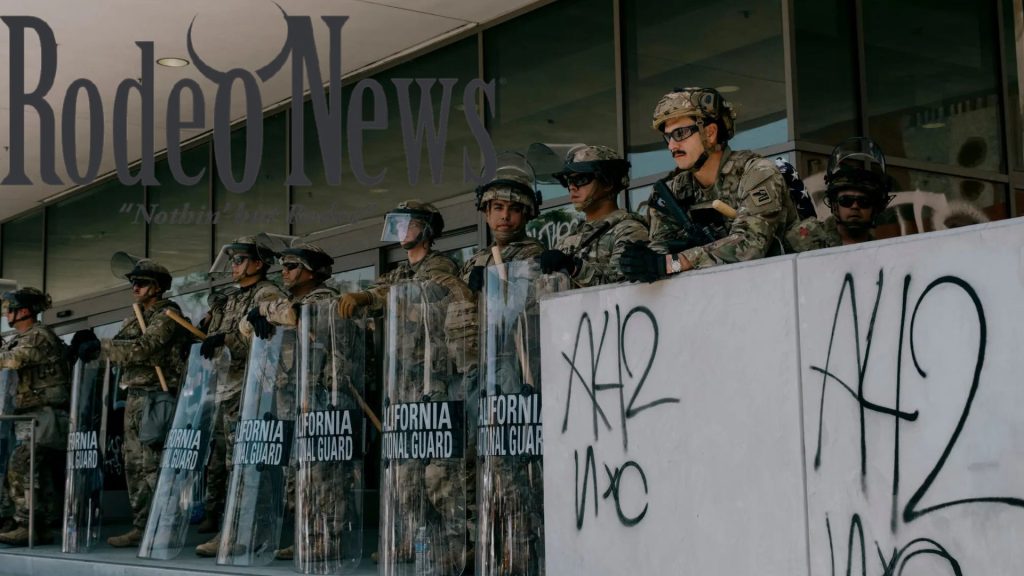
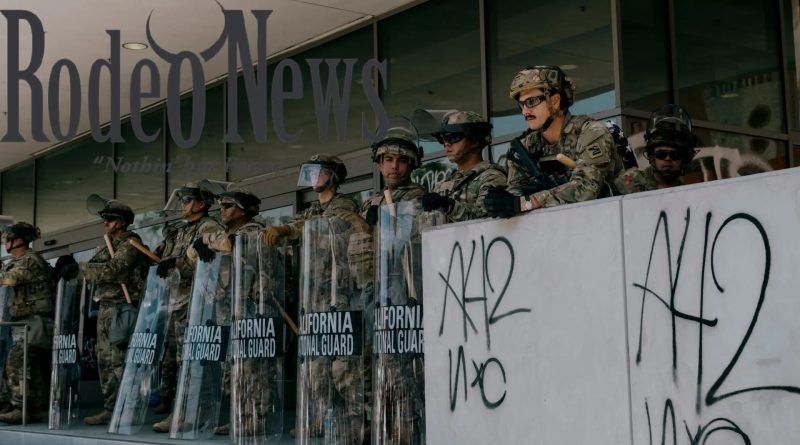
In a bold move intensifying tensions with West Coast leadership, former President Donald Trump has floated the possibility of sending the National Guard into California and Oregon. That proposal has been met with immediate and forceful rebuke from Governors Gavin Newsom (California) and Tina Kotek (Oregon), who argue such a deployment would violate state sovereignty and overstep constitutional bounds.
The Proposal & Reaction
Trump’s remarks came during a public appearance, where he implied that current conditions in California and Oregon warranted “strong action” by the federal government — potentially including the use of the National Guard. Although no formal orders have been issued, the suggestion alone has triggered alarm in state capitals.
Governor Newsom responded sharply, warning that any federal attempt to insert troops into California without consent would be “a violation of our rights.” Oregon Governor Kotek echoed that stance. Both governors underscored that their states already have significant law enforcement and emergency resources, and that any outside military presence would complicate coordination rather than aid it.
Constitutional & Legal Questions
The U.S. Constitution grants states control over their National Guard units unless they are federalized under specific circumstances (e.g., responding to national emergencies, foreign invasion, or insurrection). Governors generally retain command of their state Guard forces unless and until the President invokes federal activation.
Legal scholars note that a unilateral domestic deployment by the federal government—without the governor’s agreement or a valid justification under statute—would almost certainly provoke court challenges. The doctrine of state sovereignty and expectations of local control are likely to factor heavily in any litigation.
Even among Republican leaders, there is hesitance. Some warn that threatening domestic troop deployments for political effect risks eroding public trust and producing dangerous constitutional precedents.
Political Calculus
For Trump, the threat may serve multiple aims: signaling toughness ahead of future campaigns, rallying his base, and shaping narratives around law and order. To supporters, the idea of decisive federal intervention may hold appeal.
Yet in states like California and Oregon—which tend to lean Democratic—the notion of sending federal troops into their territory is likely to be deeply unpopular. The governors’ forceful rejection not only frames the debate as one of principle and legality, but also sets up a clear political fault line.
What Happens Next
At present, Trump’s idea remains just that — a proposal without formal action. But it has already sharpened lines of conflict between federal and state authority. If the administration attempts any concrete move toward deploying forces, expect immediate legal filings, mobilization of state-level resistance, and a high-stakes public battle over constitutional norms.
—
If you like, I can also prepare a shorter version (for social or newsletter) or create related pieces (e.g. legal analysis, state-by-state breakdown). Do you want me to do that?