Scientists Discover Gyromorph Materials to Enhance Light-Based Computers
Scientists Uncover Gyromorph Materials to Boost Light-Based Computers
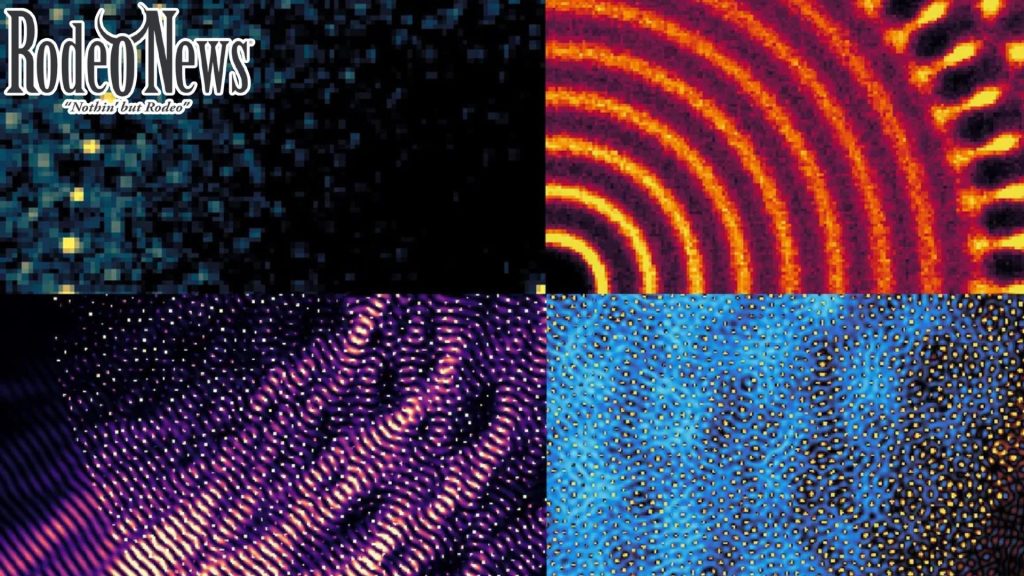
In a groundbreaking study, researchers have unveiled a class of materials known as gyromorphs, which could significantly improve the performance of light-based computers. These materials offer unique properties that allow for faster and more efficient data processing, offering a potential leap forward in the field of optical computing.
The research team, led by scientists from the University of Illinois and the University of Washington, discovered that gyromorph materials could manipulate light in innovative ways, opening up new possibilities for faster, more powerful computing systems. Unlike traditional electronic computers that rely on electrical signals, light-based computing harnesses the properties of photons, offering the promise of extremely high speeds and low energy consumption.
What Are Gyromorph Materials?
Gyromorphs are a type of advanced material that can bend and shape light in complex ways, enabling unprecedented control over how light interacts with electronic components. The new discovery shows that these materials can be integrated into the development of photonic circuits, which are key to the evolution of light-based computing. By manipulating the flow of light with greater precision, gyromorph materials can improve the efficiency and speed of information transfer, making them ideal candidates for next-generation computing technologies.
Why Is This Discovery Important for Computing?
As data processing demands continue to increase, the limitations of traditional electronic computing become more apparent. Light-based computers have the potential to address these challenges by using photons, which can travel much faster than electrons and generate less heat. However, until now, controlling light on a small scale has been a significant hurdle. The discovery of gyromorph materials may be the key to overcoming this barrier, offering a breakthrough that could lead to faster and more energy-efficient computers.
The findings are still in the early stages, but researchers believe that these materials could eventually replace or complement current silicon-based technologies. This would allow for faster processing speeds, reduced power consumption, and the ability to handle much larger volumes of data, all of which are essential for applications ranging from artificial intelligence to quantum computing.
The Future of Gyromorph Materials
While the discovery of gyromorph materials is a major step forward, there’s still much to be done before these materials can be widely adopted in real-world applications. The team plans to continue refining the material’s properties and work on integrating them into existing computing architectures.
As the field of light-based computing progresses, the development of gyromorphs could pave the way for more sustainable, scalable, and powerful computing systems. The future of technology may very well depend on these innovative materials, opening up new frontiers in fields such as machine learning, data storage, and telecommunications.
Conclusion
The discovery of gyromorph materials marks a significant milestone in the journey toward more efficient light-based computing. While there’s still much to learn, the potential for faster, more sustainable computing systems is within reach. As research continues to evolve, we may soon witness the next revolution in how we process and transfer information, all thanks to these groundbreaking materials