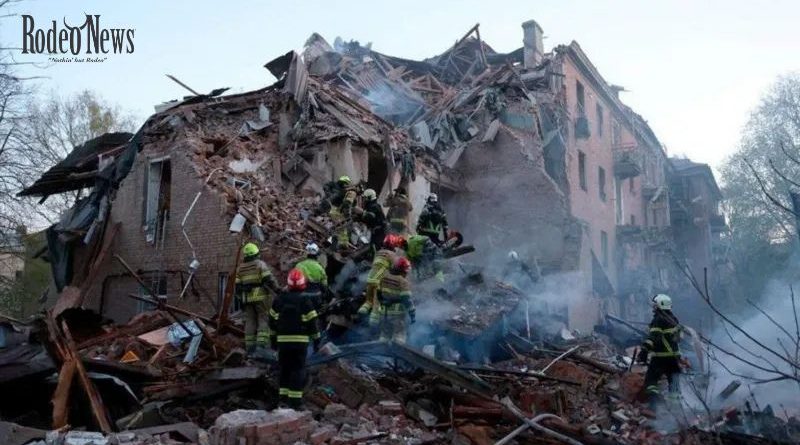
Russia Attack Ukraine: 7 Dead in Major Escalation
A deadly escalation in the ongoing Russia-Ukraine war has left at least seven people dead following a major Russian attack on Ukraine, according to officials. The latest Russia attack Ukraine incident highlights the continued intensity of the conflict, which shows little sign of slowing despite international pressure and ongoing diplomatic efforts.
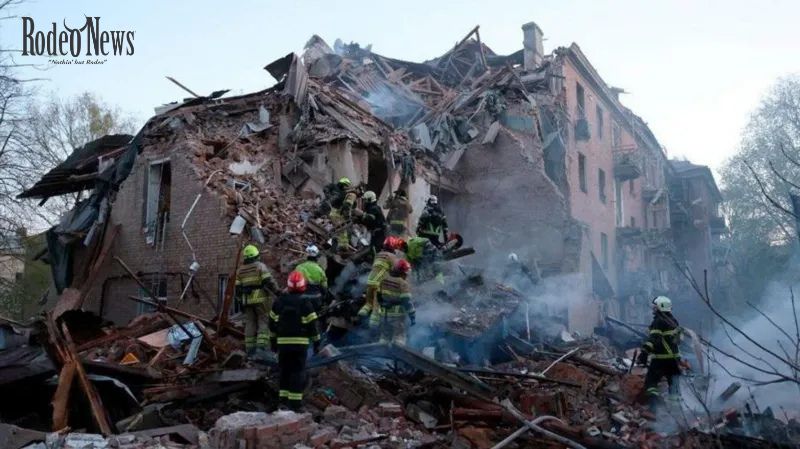
The strike reportedly targeted civilian areas, intensifying fears over the safety of non-combatants in war zones. Emergency services rushed to the scene as rescue workers searched for survivors beneath the rubble of damaged buildings.
According to early reports, multiple regions were hit in the coordinated assault, underscoring the scale and strategic planning behind the operation.
Civilians Bear the Brunt of the Violence
The recent Russia attack Ukraine has once again placed civilians at the center of the crisis. Authorities confirmed that residential infrastructure was heavily damaged, with homes, roads, and public utilities affected by the strikes.
Eyewitnesses described scenes of chaos as explosions echoed across neighborhoods. Families fled their homes while emergency sirens blared, signaling incoming threats.
Local officials emphasized that the majority of casualties were civilians, reinforcing ongoing concerns about violations of international humanitarian law. The targeting—or accidental hitting—of civilian areas continues to draw condemnation from global leaders and human rights organizations.
Meanwhile, hospitals in affected regions are reportedly overwhelmed, struggling to treat the injured amid limited resources and ongoing threats.
Scale and Strategy Behind the Attack
Military analysts suggest that this Russia attack Ukraine operation may be part of a broader strategy to weaken Ukrainian infrastructure and morale. By targeting key urban areas, such strikes aim to disrupt daily life and strain government response systems.
Reports indicate that a combination of missiles and drones may have been used in the assault. This hybrid approach has become increasingly common in recent phases of the war, allowing for both precision targeting and widespread disruption.
Ukraine’s air defense systems reportedly intercepted some incoming threats, but not all could be stopped. The resulting damage reflects both the scale of the attack and the limitations of current defensive capabilities.
Ukraine’s Response and Ongoing Defense Efforts
Ukrainian officials condemned the attack, calling it a deliberate act of aggression. In a public statement, authorities vowed to strengthen defensive measures and continue resisting what they describe as ongoing occupation efforts.
The military has since increased surveillance and defense readiness in anticipation of further strikes. Citizens have been urged to remain vigilant and follow safety protocols during air raid alerts.
At the same time, Ukraine continues to appeal to international allies for additional military support, particularly advanced air defense systems capable of intercepting modern missile threats.
International Reaction and Growing Concern
The global response to the Russia attack Ukraine has been swift. Several countries have condemned the strike, urging restraint and calling for renewed diplomatic efforts to end the conflict.
International organizations reiterated concerns over civilian safety and called for adherence to international law. The latest incident adds pressure on global leaders to find viable solutions to de-escalate tensions.
However, diplomatic progress remains limited. Previous negotiations have struggled to produce lasting agreements, and continued military actions on both sides complicate peace efforts.
The Humanitarian Impact Deepens
Beyond the immediate casualties, the broader humanitarian consequences of the Russia attack Ukraine are severe. Thousands of residents have been displaced, adding to an already growing population of internally displaced persons.
Aid organizations warn that repeated attacks on infrastructure—such as power grids and water systems—could lead to long-term challenges, especially as communities attempt to rebuild.
Food supply chains and essential services are also under strain. In some areas, access to clean water and electricity has been disrupted, increasing the risk of further crises.
Children, the elderly, and vulnerable populations remain particularly at risk, with many lacking the resources to evacuate or seek safer shelter.
War Fatigue and Psychological Toll
As the conflict drags on, the psychological toll on civilians continues to grow. The latest Russia attack Ukraine adds another layer of trauma for those living under constant threat.
Mental health professionals warn of rising cases of anxiety, depression, and post-traumatic stress disorder among affected populations. Continuous exposure to violence, uncertainty, and loss is taking a significant emotional toll.
Despite these challenges, many Ukrainians demonstrate resilience, supporting one another and maintaining community networks even in the face of adversity.
Strategic Implications for the Region
The renewed intensity of the Russia attack Ukraine raises important questions about the future of the conflict. Analysts suggest that such large-scale strikes could signal a shift in military tactics or an attempt to gain leverage in potential negotiations.
Regional stability remains at risk, with neighboring countries closely monitoring developments. The possibility of spillover effects—whether through refugee flows or geopolitical tensions—continues to concern policymakers.
Meanwhile, global markets may also feel the impact. Previous escalations in the conflict have affected energy prices and supply chains, highlighting the far-reaching consequences of the war.
The Path Forward: Uncertain but Critical
The latest Russia attack Ukraine underscores the urgent need for renewed efforts toward peace. While military strategies dominate the current landscape, the long-term solution will likely depend on diplomatic engagement and international cooperation.
Experts argue that sustainable peace requires addressing underlying political and territorial disputes, as well as ensuring accountability for actions taken during the conflict.
For now, however, the situation remains volatile. Continued attacks and countermeasures suggest that both sides are preparing for a prolonged struggle.
Conclusion
The recent Russia attack Ukraine, which claimed at least seven lives, serves as a stark reminder of the ongoing human cost of the conflict. As violence continues, civilians remain the most affected, facing both immediate danger and long-term hardship.
While global attention remains focused on the region, meaningful progress toward peace has yet to be achieved. Until then, Ukraine—and the world—must grapple with the consequences of a war that continues to reshape lives, communities, and international relations.