Full Article (1200+ words)
Global Crisis 2026: A World at a Turning Point
The Global Crisis 2026 is rapidly unfolding as a convergence of geopolitical conflict, economic instability, and technological transformation reshapes the global landscape. From escalating tensions in the Middle East to groundbreaking advancements in artificial intelligence, the world is entering a period of profound uncertainty and opportunity.
In April 2026 alone, several major developments have captured global attention. These events are not isolated—they are interconnected forces redefining economies, security, and the future of humanity.

1. Middle East Conflict Sends Shockwaves Worldwide
At the center of the Global Crisis 2026 is the ongoing conflict involving Iran and the United States, which continues to disrupt global stability. The situation has intensified around the Strait of Hormuz, a critical oil transit route.
Recent reports indicate that military actions and blockades have significantly affected global oil supply chains, pushing energy prices higher and creating ripple effects across international markets.
The economic consequences are severe. The International Monetary Fund (IMF) has warned that the conflict could trigger a broader global slowdown. Countries heavily reliant on energy imports are especially vulnerable, facing rising inflation and reduced growth prospects.
Meanwhile, diplomatic efforts continue, with negotiations taking place in multiple regions. However, uncertainty remains high, and markets are reacting accordingly.
2. Global Economy Faces Mounting Pressure
The Global Crisis 2026 is not limited to geopolitical tensions—it is also deeply rooted in economic fragility.
The IMF has downgraded growth forecasts for several major economies, citing the ripple effects of war, supply chain disruptions, and rising energy costs. Inflation is once again becoming a central concern, particularly in Europe and the United Kingdom.
Energy shortages and increased transportation costs are impacting industries worldwide. Businesses are struggling to maintain stability, while consumers face higher living expenses.
Experts warn that the current situation could resemble past economic shocks, such as the oil crisis of the 1970s, though modern economies may be better equipped to handle the disruption.
Still, the risk of stagflation—a combination of stagnant growth and high inflation—is becoming increasingly real.
3. Technology Boom Amid Global Uncertainty
Despite the challenges, technology continues to advance rapidly, offering both solutions and new risks within the Global Crisis 2026.
One of the most anticipated events is the upcoming Google I/O 2026 conference, where major announcements related to artificial intelligence and software development are expected.
Key highlights include:
- Advancements in AI models, including next-generation systems
- Development of Android 17 with enhanced cross-device functionality
- Integration of AI into everyday tools and platforms
These innovations are expected to transform industries ranging from healthcare to entertainment.
However, experts also warn about potential risks, particularly in cybersecurity. The rise of quantum computing could eventually compromise existing encryption systems, posing a serious threat to data security.
4. The Rise of Quantum Technology Awareness
Another critical aspect of the Global Crisis 2026 is the growing awareness of quantum technology.
World Quantum Day, celebrated globally, highlights the increasing importance of quantum science in modern life. From medical imaging to secure communications, quantum mechanics is already shaping key technologies.
However, the future implications are even more significant.
Experts predict a potential “Q-Day,” when quantum computers could break traditional encryption methods. While this scenario may still be years away, governments and tech companies are already investing heavily in post-quantum security solutions.
This dual nature—innovation paired with risk—perfectly encapsulates the broader theme of 2026.
5. Global Tech Events Signal Industry Transformation
April 2026 has also been marked by a surge in major technology conferences, further emphasizing the role of innovation during the Global Crisis 2026.
Events such as:
- TED 2026
- NAB Show in Las Vegas
- Google Cloud Next 2026
are bringing together global leaders to discuss the future of AI, media, and digital infrastructure.
These gatherings are not just industry showcases—they are platforms for shaping global strategy.
Companies are focusing on:
- AI-driven automation
- Cloud computing expansion
- Personalized digital experiences
The rapid pace of innovation suggests that technology may play a key role in navigating global challenges.
6. Markets React to Uncertainty
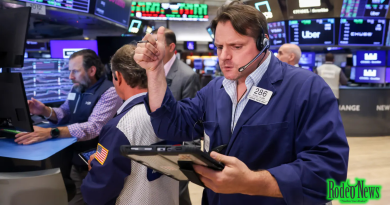
Financial markets have been highly volatile amid the Global Crisis 2026.
Stock markets in Asia and Europe have shown signs of instability, reflecting investor concerns about geopolitical risks and economic slowdown.
Oil prices have surged past critical thresholds, while supply chain disruptions continue to impact global trade.
Investors are increasingly cautious, seeking safe-haven assets while closely monitoring developments in the Middle East and global policy responses.
7. A World of Interconnected Challenges
What makes the Global Crisis 2026 particularly complex is the interconnected nature of its challenges.
- Geopolitical conflict affects energy prices
- Energy prices impact inflation and economic growth
- Economic instability influences technological investment
- Technological advancements introduce new risks and opportunities
This web of interdependence means that no single solution can address the crisis.
Instead, coordinated global efforts will be essential.
8. What Comes Next?
Looking ahead, several key factors will determine how the Global Crisis 2026 evolves:
Diplomatic Progress
If negotiations in the Middle East succeed, global markets could stabilize quickly. However, prolonged conflict would likely deepen economic challenges.
Technological Innovation
Advancements in AI and quantum computing could drive productivity and growth—but also introduce new security risks.
Economic Policy
Governments and central banks will need to balance inflation control with economic support, a difficult task in the current environment.
Conclusion: A Defining Year for the Future
The Global Crisis 2026 represents a pivotal moment in modern history.
While the challenges are significant, they also present opportunities for innovation, cooperation, and transformation.
The world is not just facing a crisis—it is undergoing a fundamental shift.
How governments, businesses, and individuals respond in the coming months will shape the trajectory of the global economy, technology, and international relations for years to come.