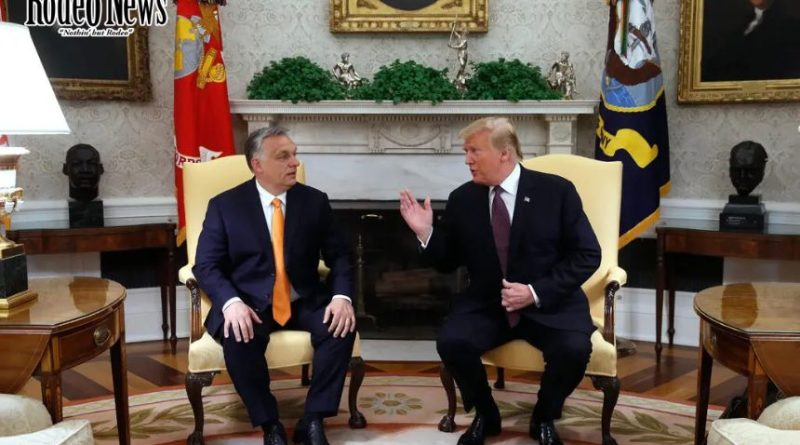
Trump–Orbán Meeting: A Crucible for Russia Sanctions and U.S.–Hungary Ties
Setting the Stage
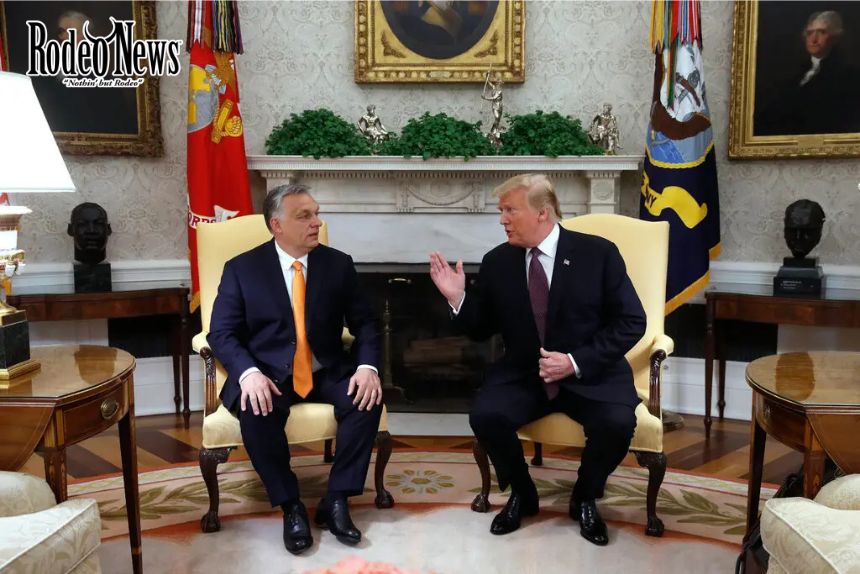
On November 7 2025, U.S. President Donald Trump welcomed Hungarian Prime Minister Viktor Orbán to the White House for a bilateral meeting marked by both camaraderie and tension. The two leaders share a history of nationalist-leaning politics, but the agenda before them was far from routine: Hungary’s continued reliance on Russian energy, a Western sanctions regime against Moscow, and the wider stakes of the war in Ukraine.
Key Issues on the Table
Russian Oil & Energy Dependence
Hungary remains heavily dependent on Russian oil and gas, even as Washington presses Europe to halt or reduce such imports to cut off funding for Moscow’s war in Ukraine. Orbán entered the meeting seeking an exemption from U.S. sanctions targeting Russian energy giants like Rosneft and Lukoil — a request that poses a sharp test to U.S. policy coherence.
Toward a U.S.-Russia Dialogue
The meeting also served as a potential stepping stone for wider diplomacy: Orbán has floated hosting a summit between Trump and Russian President Vladimir Putin. Officials from both sides pointed to discussion of a roadmap toward such an event as well as the possibility of a peace process for Ukraine.
Economic & Defence Cooperation
Beyond energy, the two sides signalled that cooperation in economy, defence, and finance would be discussed. Hungary, facing both domestic electoral pressure and international scepticism, views stronger ties with the U.S. as a strategic pivot.
The Political Undercurrents
Orbán’s visit comes ahead of Hungary’s parliamentary election in 2026, amplifying the domestic dimension of his diplomacy. Analysts say his goal is to secure the optics of strong U.S. engagement ahead of the vote.
For the U.S., the meeting illustrates competing priorities: on one hand, a friendly leader in Budapest with whom Trump shares ideological affinity; on the other, the need to preserve Western unity in sanctioning Russia and limiting energy dependence. Granting an exemption to Hungary might risk signalling cracks in the alliance.
Potential Outcomes and Risks
- If Hungary receives an exemption: It could ease Hungary’s energy burden but undermine the coherence of sanctions pressure on Russia and frustrate European partners.
- If no carve-out is granted: Hungary could face economic strain or turn more definitively toward Russia or China for energy and investment, complicating the U.S.–Hungary relationship.
- On the Russia-Ukraine front: If the U.S. and Hungary push hard for a Trump–Putin meeting, it might shift the diplomatic landscape—but also raise concerns about Ukraine’s interests and Europe’s role.
- Domestic ramifications: For Orbán, the meeting must deliver tangible benefits to bolster his electoral standing; failure could damage his political capital.
Why It Matters
- Energy security: Hungary’s reliance on Russian energy is emblematic of wider European vulnerabilities. How the U.S. responds will influence investor confidence and regional supply-chain planning.
- Sanctions regime strength: The meeting tests whether the U.S. can maintain unified pressure on Russia while accommodating allies with divergent dependencies.
- Transatlantic relations: A rift between Washington and Brussels could widen if Hungary’s exception sets precedent or if Europe perceives preferential treatment.
- Peace diplomacy: If the meeting progresses toward a U.S.–Russia summit, it could reshape the trajectory of the Ukraine conflict—but also provoke backlash if Ukraine feels excluded.