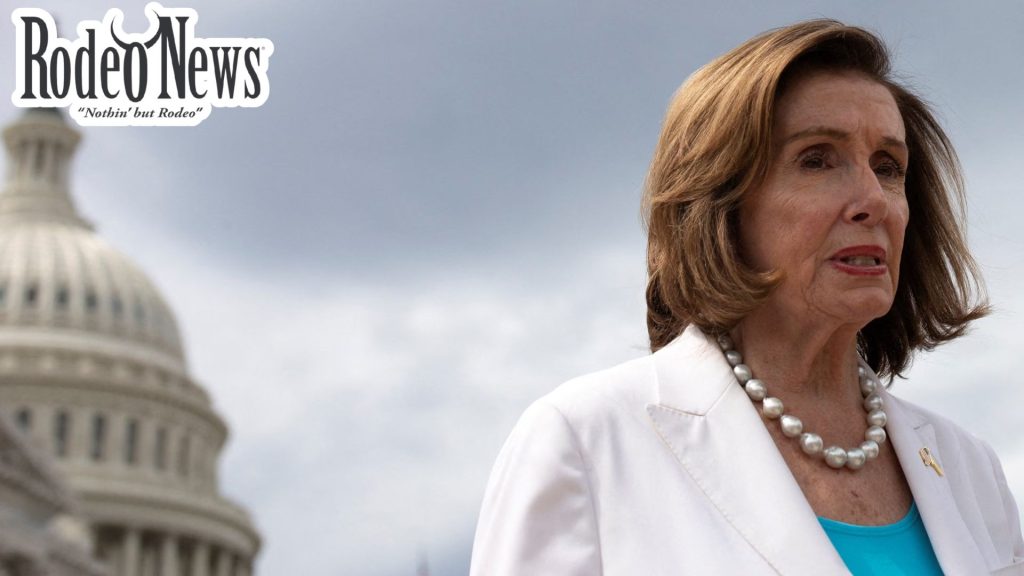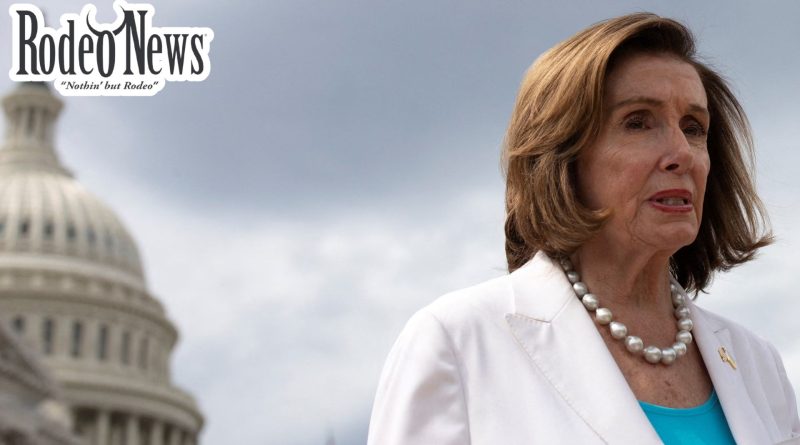
Nearly forty years after her entrance into Congress, long-time representative Nancy Pelosi is stepping aside — and with her departure, San Francisco’s political landscape is shifting. Her announcement to not seek re-election has opened up a high-stakes race for the seat she has long held.
Why this moment matters
Pelosi’s retirement is widely seen as a “generational moment” — one that paves the way for fresh faces but also invites questions about continuity, influence and local relevance. Her legacy includes major legislative achievements and deep ties to San Francisco politics. With her exit, local Democrats face both opportunity and risk: chances to redefine the city’s voice in Congress, and the challenge of preserving its national clout.
Key Contenders
Saikat Chakrabarti
Chakrabarti, a 39-year-old progressive and former tech executive, entered the race early and cast himself as part of a new wave of leadership. He worked on Alexandria Ocasio‑Cortez’s team and has argued that older Democratic leadership structures are out of step.
He officially launched at a rally in the Mission District of San Francisco, and has touted a grassroots operation he says is among the city’s largest — over 2,000 volunteers.
Chakrabarti’s policy agenda includes universal healthcare and childcare, banning congressional stock trading, and a poignant comment that “the establishment has failed us”.
Scott Wiener
Wiener, 55, is a Harvard-educated attorney and currently a state senator who has built a reputation in California on housing, climate and civil-rights issues.
He was clear that he would run only if Pelosi stepped aside — and once she did, he launched his campaign, stressing the need for more than rhetoric in confronting rising cost-of-living pressures, immigrant and LGBTQ rights, and the national tide of polarising politics.
Open questions & wider field
While Chakrabarti and Wiener are front-runners, the field is not locked down. Discussion is swirling around possible bids from Pelosi’s daughter Christine (a Democratic strategist) and San Francisco Supervisor Connie Chan.
Key questions include:
How will younger voters in San Francisco respond — will they favour fresh voices, or value established experience?
Can a candidate match Pelosi’s fundraising and national reach?
What role will local issues (housing affordability, homelessness, tech sector dynamics) play versus national themes (climate change, healthcare, generational liberalism)?
What this means for San Francisco and beyond
Pelosi’s departure doesn’t just shift one congressional seat — it signals a moment of transition for the Democratic Party and for the city she represented. The next representative will need to balance local priorities with national influence. The contest will serve as a micro-cosm of intra-party debates: progressives vs. establishment, generational change vs. continuity, local vs. national strategy