Gas Prices Inequality Revealed: Lower-Income Consumers Hit Hardest
The growing issue of gas prices inequality is becoming one of the most visible economic challenges in 2026. As fuel costs rise globally, the burden is falling disproportionately on lower-income households, deepening financial divides and reshaping consumer behavior.
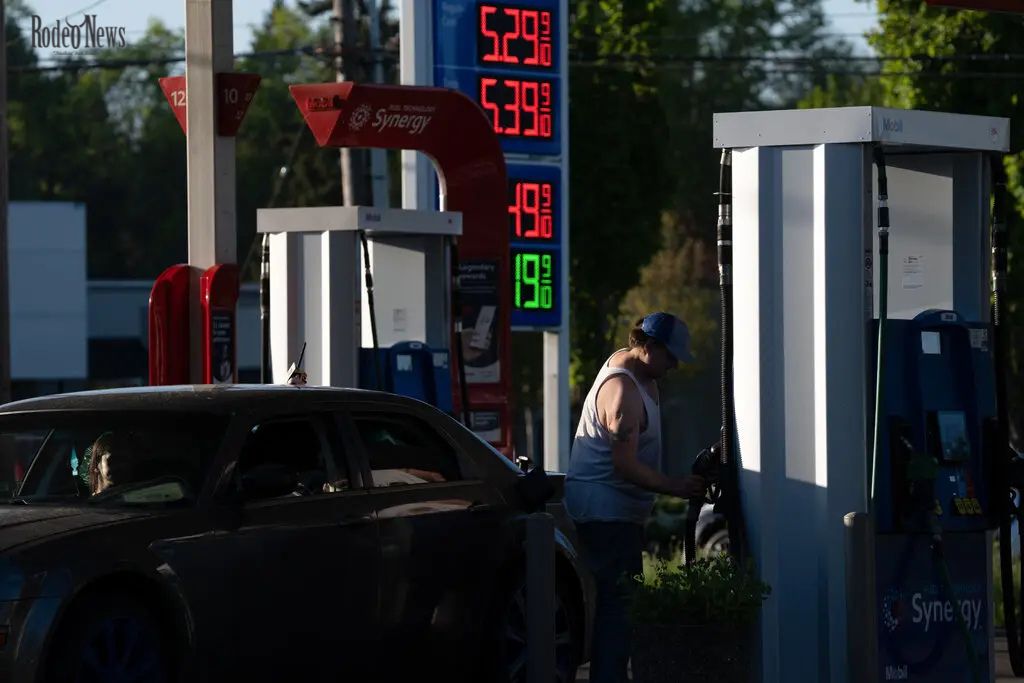
Recent economic analysis shows that while all households are paying more at the pump, the impact is far from equal. Lower-income consumers are being forced to cut back on essential travel and daily expenses, while wealthier households are better positioned to absorb rising costs.
Why Gas Prices Affect the Poor More
Gasoline is not a luxury—it is a necessity. For millions of workers, driving is essential for commuting, childcare, and accessing basic services. This makes fuel costs particularly painful when prices rise.
Economists often describe fuel price increases as “regressive.” In simple terms, lower-income households spend a larger share of their income on gas compared to wealthier families. As a result, even small price increases can have an outsized effect on their budgets.
According to recent economic findings, households earning less are allocating significantly more of their income to fuel, leaving less room for savings or discretionary spending. Meanwhile, higher-income households can offset these increases through savings, investments, or credit access.
A Widening Economic Divide

NY Fed report finds gas price surge hitting lower incomes harder

Lower-income Americans hit hardest by gas price spike, widening inequalities, study finds

The spike in gas prices is worsening the K-shaped economy
New data from the Federal Reserve Bank of New York highlights how gas prices inequality is widening the economic gap.
Lower-income households are now:
- Spending more money on fuel overall
- Buying less gasoline in real terms
- Cutting back on other essential expenses
In contrast, higher-income households are maintaining their consumption levels despite rising prices.
This divergence is a hallmark of what economists call a “K-shaped economy,” where different income groups experience sharply different financial outcomes.
In March 2026 alone, lower-income households reduced their fuel consumption significantly, yet still ended up paying more due to price increases.
The Real-Life Impact on Daily Living
The consequences of gas prices inequality extend far beyond the pump. For many households, higher fuel costs are forcing difficult choices.
Lower-income consumers are increasingly:
- Carpooling or using public transportation
- Combining trips to save fuel
- Cutting back on non-essential travel
These adjustments may seem minor, but they reflect a deeper issue: reduced economic mobility.
When people cannot afford to drive as often, it affects their ability to:
- Access better job opportunities
- Attend educational programs
- Maintain social and family connections
In extreme cases, rising fuel costs can even limit access to healthcare and essential services.
Inflation and the Cost of Essentials
Gas prices play a critical role in the broader economy. When fuel costs rise, they push up prices across multiple sectors, including:
- Food transportation
- Delivery services
- Airline tickets
- Manufacturing
This creates a ripple effect that disproportionately impacts lower-income households, who already spend a larger share of their income on necessities.
Research shows that inflation driven by energy costs is particularly harmful because it targets unavoidable expenses. Unlike luxury goods, fuel cannot easily be substituted or avoided.
The “K-Shaped Economy” Explained
The concept of a K-shaped economy helps explain why gas prices inequality is becoming more pronounced.
In this scenario:
- Higher-income households continue to grow wealth through investments and assets
- Lower-income households struggle with rising costs and stagnant wages
Recent data shows that wealthier households have been able to maintain stable consumption patterns, while lower-income groups are cutting back significantly.
This divergence is not new, but rising fuel prices are accelerating the trend.
Global Factors Driving Gas Prices Higher
The current surge in gas prices is not happening in isolation. Several global factors are contributing to the increase, including:
- Geopolitical conflicts affecting oil supply
- Disruptions in key shipping routes
- Limited refinery capacity
- Ongoing inflation pressures
These factors have pushed fuel prices higher worldwide, with ripple effects across national economies.
As a result, even countries with stable domestic economies are feeling the impact of global energy markets.
Why Lower-Income Households Have Fewer Options
One of the key drivers of gas prices inequality is the lack of flexibility among lower-income consumers.
Wealthier households often have options such as:
- Remote work arrangements
- Fuel-efficient or electric vehicles
- Access to credit or savings
In contrast, lower-income households are more likely to:
- Work jobs that require physical presence
- Own older, less fuel-efficient vehicles
- Have limited access to financial buffers
This lack of flexibility makes it harder to adapt to rising fuel costs.
Long-Term Economic Consequences
If current trends continue, gas prices inequality could have lasting effects on the economy.
Potential long-term impacts include:
- Reduced consumer spending
- Slower economic growth
- Increased financial stress among vulnerable populations
- Greater wealth inequality
Economists warn that persistent inequality can weaken overall economic stability, as lower-income households reduce spending across multiple sectors.
Policy Responses and Possible Solutions
Governments and policymakers are exploring ways to address the growing gap caused by gas prices inequality.
Some potential solutions include:
- Fuel subsidies or tax relief for low-income households
- Investment in public transportation infrastructure
- Incentives for fuel-efficient vehicles
- Policies to stabilize energy markets
However, these solutions come with trade-offs and may not fully offset the impact of global fuel price volatility.
A Broader Reflection of Economic Inequality
Gas prices inequality is not just about fuel—it reflects deeper structural issues in the economy.
Lower-income households are more vulnerable to price shocks across all essential goods, including:
- Housing
- Food
- Healthcare
- Transportation
This pattern highlights the broader “cost of poverty,” where those with fewer resources often face higher relative costs for basic needs.
Looking Ahead: What Comes Next?
The future of gas prices inequality will depend on several factors, including:
- Global energy supply conditions
- Economic policy decisions
- Technological advancements in transportation
While some relief may come if fuel prices stabilize, the underlying inequality is likely to persist without structural changes.
For now, the data paints a clear picture: rising gas prices are not affecting everyone equally—and the gap is growing.
Conclusion: A Crisis That Demands Attention
The rise of gas prices inequality in 2026 is a stark reminder of how economic pressures can deepen existing divides.
Lower-income consumers are bearing the brunt of rising fuel costs, forcing them to make difficult choices that affect their quality of life and economic mobility.
Meanwhile, wealthier households continue to navigate these challenges with greater resilience.
Addressing this imbalance will require thoughtful policy, innovation, and a deeper understanding of how essential costs shape everyday life.
Until then, the pain at the pump will remain uneven—and the economic divide will continue to widen.