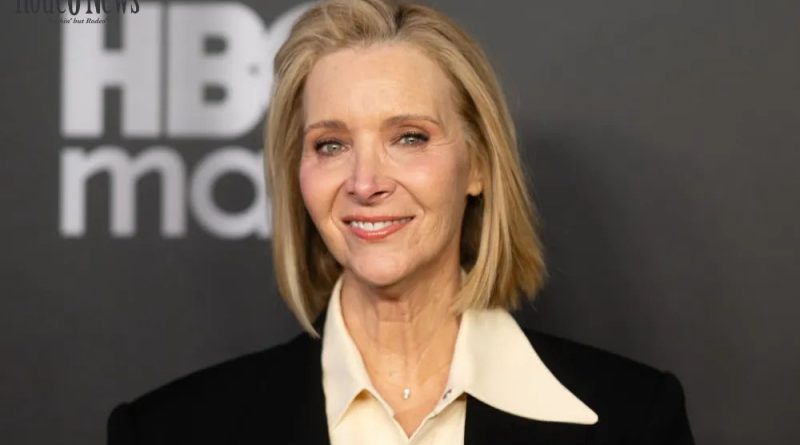
The actress, who played the eccentric and lovable Phoebe Buffay, described an environment that could be “intense,” “mean,” and at times deeply uncomfortable—especially for female cast members.
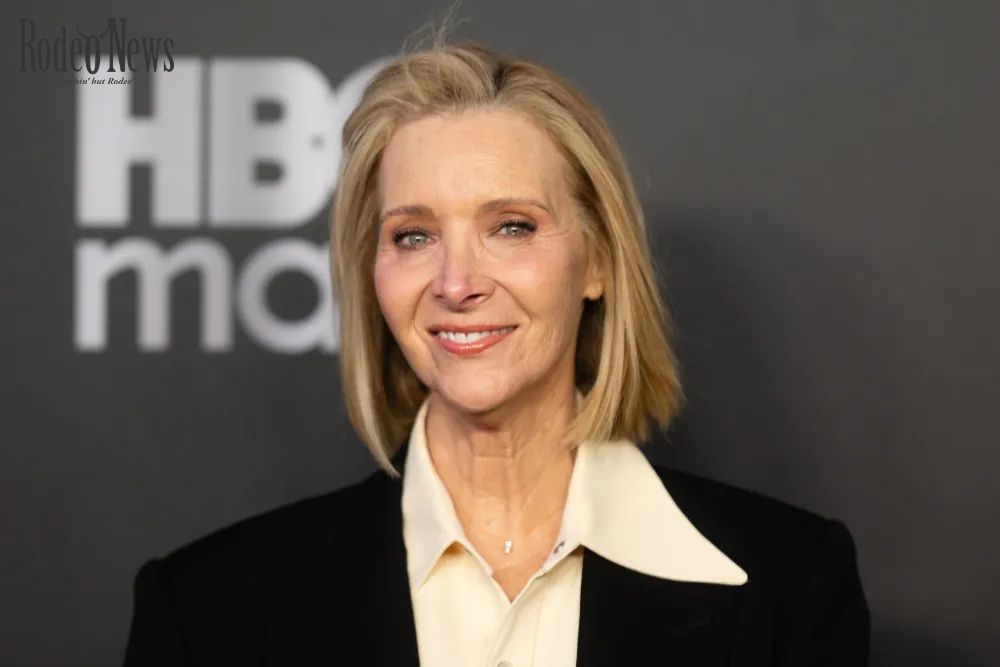
Inside the Friends Writers Room
According to Kudrow, the writers’ room during the production of Friends was largely male-dominated, consisting of roughly a dozen or more writers. While their creative contributions helped make the show a global success, their behavior behind closed doors told a different story.
Kudrow revealed that the writers often engaged in crude conversations, including openly discussing their sexual fantasies about her co-stars Jennifer Aniston and Courteney Cox.
These remarks, she explained, were not isolated incidents but part of a broader culture within the writers’ room. “It was intense,” Kudrow noted, emphasizing how normalized such discussions had become during the show’s production.
This revelation has sparked renewed discussion about workplace culture in Hollywood during the 1990s and early 2000s, a time when such behavior was often overlooked or dismissed.
Harsh Criticism and Pressure on Set
Beyond inappropriate conversations, Kudrow also described a harsh and sometimes hostile working environment. During live tapings—where Friends episodes were filmed in front of studio audiences—writers were known to react strongly if jokes didn’t land or lines were delivered incorrectly.
In some cases, actors faced blunt and even insulting criticism. Writers would reportedly question performers’ abilities or react aggressively when scenes failed to meet expectations.
This added significant pressure on the cast, who were already working under the intense scrutiny of a live audience. While Kudrow acknowledged the writers’ dedication to perfecting the show, she made it clear that the delivery of feedback could be unnecessarily harsh.
A Broader Pattern of Toxic Behavior
Kudrow’s comments are not the first allegations of troubling behavior associated with the Friends writers’ room. A previous lawsuit filed by a former assistant had also accused members of the writing staff of inappropriate and discriminatory conduct, although the case was ultimately dismissed.
Her recent statements, however, bring renewed attention to the issue—especially in today’s climate, where workplace accountability and respectful environments are under greater scrutiny.
The actress described the atmosphere as one where “mean stuff” was not uncommon, suggesting that such behavior may have been normalized within the industry at the time.
The Contrast With Friends’ Public Image
What makes these revelations particularly striking is the stark contrast between the show’s wholesome, comedic tone and the reality behind the scenes.
Friends, which aired from 1994 to 2004, became a cultural phenomenon. It not only defined a generation of television but also turned its six main cast members into global stars. Friends
The series was known for its humor, relatable storylines, and strong sense of friendship—qualities that made it a comfort show for millions worldwide. Yet Kudrow’s account suggests that the environment behind the camera was far from the warmth depicted on screen.
Kudrow’s Perspective Today
Despite these experiences, Kudrow has maintained a balanced perspective. She acknowledged the immense effort and talent that went into creating Friends, recognizing the writers’ role in shaping the show’s success.
At the same time, she did not shy away from addressing the negative aspects of that experience. Her willingness to speak openly reflects a broader shift in Hollywood, where actors and industry professionals are increasingly sharing their stories.
Kudrow has also emphasized that she tried not to carry the stress of the set into her personal life, choosing instead to focus on her work and relationships outside of the show.
The Legacy of Friends in a New Light
These revelations add complexity to the legacy of Friends. While the show remains widely loved, stories like Kudrow’s highlight the importance of examining the realities behind even the most celebrated productions.
In recent years, discussions around sexism, workplace culture, and power dynamics in entertainment have gained significant momentum. Kudrow’s comments contribute to this ongoing conversation, offering insight into how far the industry has come—and how far it still has to go.
Industry Reflection and Changing Standards
Kudrow’s statements come at a time when Hollywood is undergoing significant transformation. Movements advocating for safer and more respectful workplaces have led to increased accountability across the industry.
What was once dismissed as “part of the job” is now being reevaluated. Stories like this serve as reminders of why these changes are necessary.
They also highlight the importance of giving voice to experiences that may have been overlooked or minimized in the past.
Why This Story Matters Now
The significance of Kudrow’s revelations extends beyond nostalgia for a classic sitcom. It touches on broader issues of gender dynamics, workplace respect, and the evolution of professional standards in entertainment.
For fans of Friends, the news may be surprising—or even unsettling. However, it also provides an opportunity to engage in meaningful discussions about how beloved content is created and the environments in which it is produced.
Conclusion
Lisa Kudrow’s candid reflections offer a rare glimpse into the behind-the-scenes reality of one of television’s most iconic shows. While Friends continues to hold a special place in pop culture, her comments remind us that even the most successful productions can have complex and challenging histories.
As the entertainment industry continues to evolve, stories like this play a crucial role in shaping a more transparent and respectful future.