Child Detention Fight: Ms Rachel Speaks Out
The debate over child detention in the United States has intensified after popular children’s entertainer Rachel Griffin Accurso—widely known as Ms Rachel—publicly voiced concern about children being held in immigration facilities.
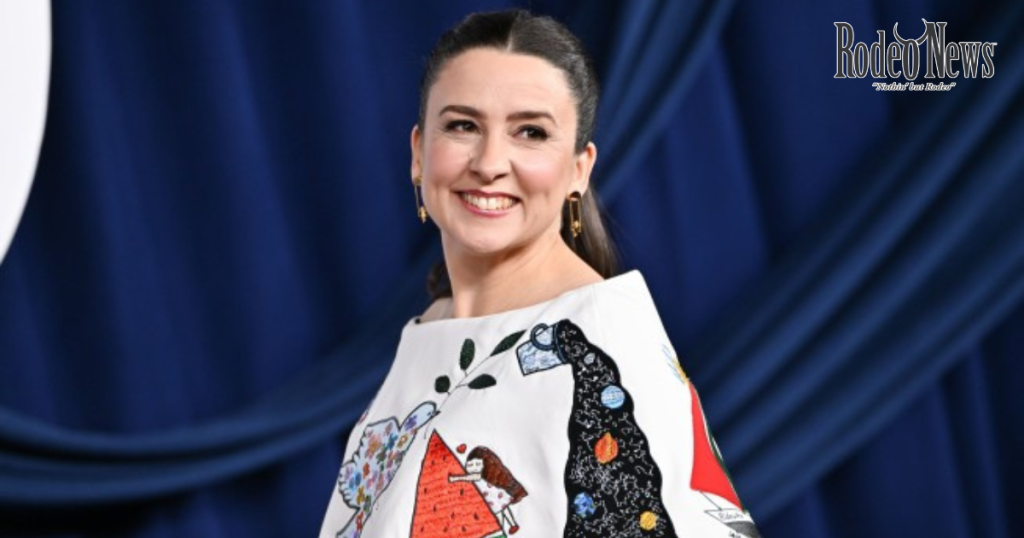
Accurso, whose educational videos have reached millions of families worldwide, is now using her platform to highlight what she describes as deeply troubling conditions faced by detained children. Her comments have sparked renewed attention to the controversial issue of immigration detention involving minors.
A Children’s Entertainer Steps Into Advocacy
Ms Rachel built her reputation through educational content designed to support early childhood development, particularly language skills. However, in recent months, she has increasingly spoken out on humanitarian issues affecting children.
Her latest concern centers on children held at the South Texas Family Residential Center, a large immigration detention facility in Texas that houses families awaiting immigration proceedings.
In social media posts and interviews, Accurso emphasized that children in detention are no different from those watching her videos at home.
“They are the same children,” she said in one widely shared message, underscoring the universality of childhood needs—safety, education, and emotional care.
Conditions Inside Detention Facilities
Reports about conditions inside the Dilley facility have raised alarm among advocates, journalists, and policymakers.
According to multiple investigations and testimonies:
- Children have limited access to formal education
- Living conditions have been described as inadequate
- Concerns about food, water, and healthcare persist
- Mental health issues, including anxiety and depression, have been reported
Some detained children have described feelings of sadness and isolation. In certain cases, access to schooling has been minimal, sometimes limited to basic worksheets or short instructional periods.
Health concerns have also emerged, including reported cases of measles within the facility, further intensifying scrutiny.
High-Profile Cases Draw Public Attention
Public outrage has been fueled by individual cases, particularly that of a 5-year-old boy, Liam Conejo Ramos.
The child was detained alongside his father during an immigration enforcement operation, drawing widespread criticism. Officials were accused of using the child to lure family members, a claim that sparked backlash from educators and community leaders.
Following legal intervention, a federal judge ordered the child’s release. The case became a focal point in the broader debate over how immigration enforcement affects minors.
Such incidents have helped bring visibility to a system that critics say disproportionately impacts vulnerable families.
Growing Criticism of Child Detention Policies
The issue of child detention is not new, but recent developments have reignited debate.
Advocates argue that detaining children—especially those who have lived in the United States for years—can cause long-term psychological harm. Many of these children are not recent arrivals but have been taken into custody during routine immigration check-ins.
Legal experts also point to concerns about compliance with existing agreements, such as standards requiring adequate education and care for detained minors.
Meanwhile, government agencies maintain that detention is sometimes necessary to ensure that families appear for immigration proceedings. Officials have also stated that families may choose voluntary departure as an alternative to detention.
Ms Rachel’s Message: “No Child Belongs Here”
Accurso’s advocacy has been consistent in its tone: children should not be placed in detention environments.
She has called on educators, leaders, and policymakers to prioritize the well-being of children above political considerations.
Her stance aligns with a broader movement among child welfare advocates who argue that immigration enforcement should avoid placing minors in restrictive environments whenever possible.
This is not the first time Ms Rachel has spoken out on global issues affecting children. She has previously advocated for children impacted by war and humanitarian crises, emphasizing that compassion should not be limited by geography or politics.
Public Reaction: Support and Criticism
Ms Rachel’s comments have generated mixed reactions.
Supporters Say:
- She is using her platform responsibly
- Children’s rights should be a universal priority
- Public awareness can drive policy change
Critics Argue:
- Children’s content creators should avoid political topics
- Advocacy may alienate segments of her audience
- Complex immigration issues require broader context
This divide reflects a larger cultural debate about whether public figures—especially those in children’s media—should engage in political or humanitarian advocacy.
The Broader Context of Immigration Detention
The United States has long grappled with how to handle families crossing or residing in the country without legal status.
In recent years:
- Hundreds of children have been held in detention facilities
- Some have remained for extended periods beyond recommended limits
- Legal and humanitarian concerns have increased
Reports indicate that many detained children are part of families with ongoing asylum claims, meaning their legal status is still under review.
Critics argue that alternative approaches—such as community-based monitoring—could be more humane and equally effective.
Why This Issue Resonates Globally
Although the controversy is centered in the United States, the issue of child detention has global implications.
Countries around the world face similar challenges when balancing immigration enforcement with human rights obligations.
International organizations have repeatedly emphasized that children should only be detained as a last resort—and for the shortest possible time.
Ms Rachel’s involvement has helped bring this issue to a broader, international audience, particularly among parents who may not typically follow immigration policy debates.
The Power of Influencers in Social Issues
The situation highlights a growing trend: influencers and content creators stepping into advocacy roles.
With millions of followers, figures like Ms Rachel can:
- Amplify underreported issues
- Shape public opinion
- Influence policy discussions
However, this influence also comes with scrutiny, as audiences expect transparency and balance.
What Happens Next?
The future of child detention policies in the U.S. remains uncertain.
Ongoing legal challenges, public pressure, and political debates will likely shape the direction of policy in the coming months.
Meanwhile, advocates—including Ms Rachel—continue to call for reforms that prioritize children’s well-being.
Whether her involvement will lead to tangible policy changes is unclear. However, her voice has undeniably added momentum to an already intense national conversation.
Conclusion
The controversy surrounding child detention has once again come into focus, driven in part by the advocacy of a well-known children’s entertainer.
By speaking out, Rachel Griffin Accurso has brought renewed attention to the experiences of children inside immigration facilities—an issue that continues to divide opinion but demands careful consideration.
As the debate evolves, one question remains central: how should societies balance immigration enforcement with the fundamental rights and well-being of children?