Why China Sees Japan’s Export of Patriot Missiles to the U.S. as a “Dangerous Signal
Chinese analysts and media are raising the alarm over a recent move by Japan: the export of domestically produced Patriot surface-to-air missile interceptors to the United States. They argue that this sends an “extremely dangerous signal,” reflecting a shift in Tokyo’s military posture that could destabilize regional security.
A Milestone in Japan’s Arms Export History
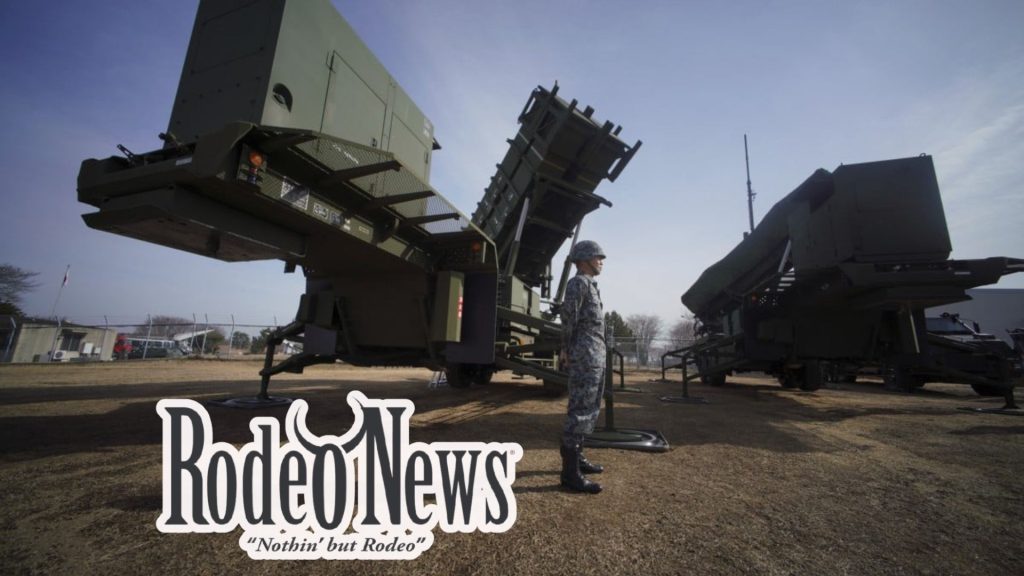
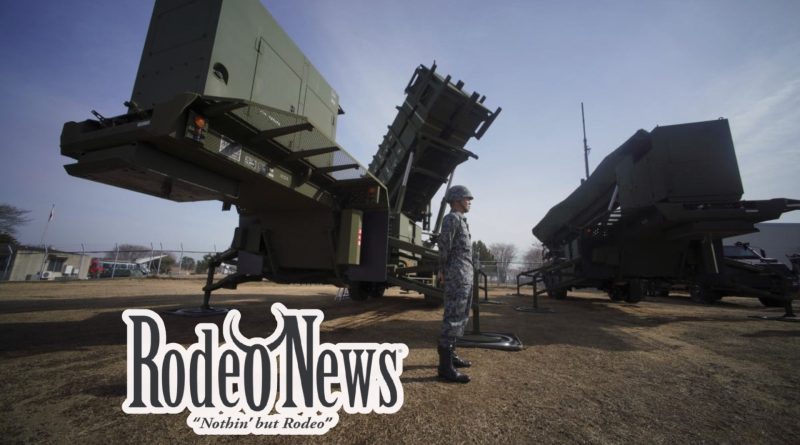
According to Japanese media reports, Japan has shipped Patriot Advanced Capability‑3 interceptors to the U.S., which plans to use them to replenish its stockpile — notably amid its military support for Ukraine.
This deal is especially significant because it comes after Japan revised its Three Principles on Transfer of Defence Equipment and Technology in 2023, lifting long-standing restrictions and allowing for the export of such lethal weapons.
Why Chinese Observers Are Concerned
From Beijing’s perspective, this isn’t just a business deal — it’s part of a larger and more worrying trend:
- Military Expansion
Analysts view the export as clear evidence that Japan is expanding its military capabilities, slipping further away from its post‑war “pacifist” identity. - Loosening Self-Restraint
The 2023 amendment to Japan’s export rules is described as a “self‑liberation” from previous constraints. Some experts warn this could be just the beginning — using this first export as a template to expand to many other deadly weapons. - Historical and Political Tensions
For many in China, Japan’s right-wing political forces are being emboldened — critics cite efforts to revise its pacifist constitution, relax its non-nuclear policy, and significantly broaden its military reach. - Risk of a “Dangerous Chain Reaction”
Military experts like Zhang Xuefeng argue that Japan’s move could trigger regional arms build-up. There is concern that Japan may start exporting other high-end or lethal systems — not just to the U.S., but potentially to other states in the future.\
Broader Implications for Regional Stability
Beijing’s reaction is also rooted in geopolitics. The export deal underscores how Japan is realigning its defence posture in partnership with the U.S., particularly in light of growing tensions in the Indo-Pacific.
For China, the danger lies not only in the physical transfer of weapons but in what this shift may presage: a more assertive, militarily capable Japan that could reshape the balance of power in East Asia