Tesla Launches Cheaper Model 3 and Model Y as Tax Credit Expires
October 8, 2025
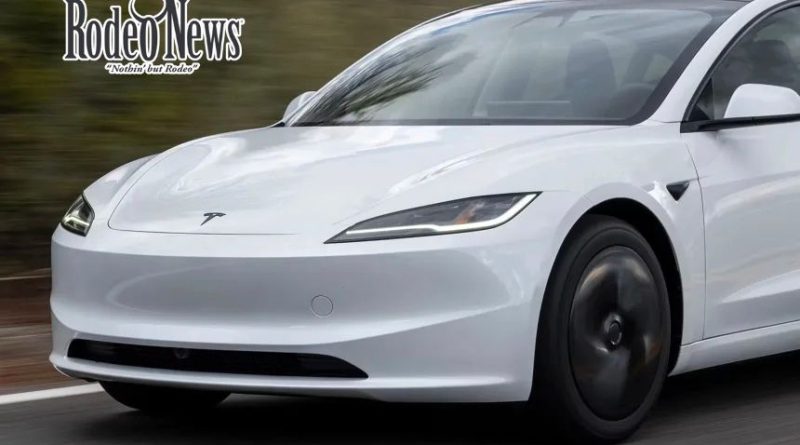
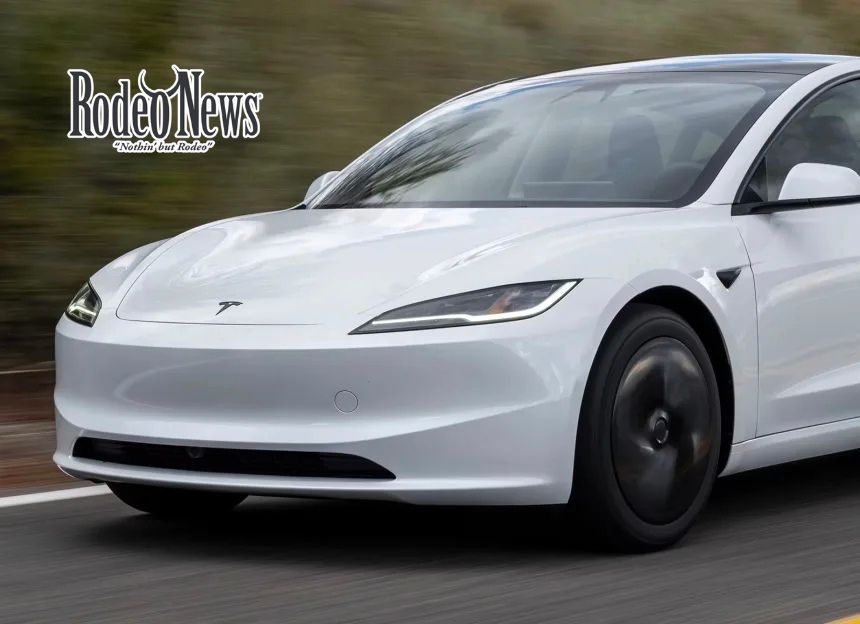
Tesla has officially introduced more affordable versions of its flagship vehicles—the Model 3 and Model Y—just as most of its U.S. lineup becomes ineligible for the federal $7,500 EV tax credit. The move marks a strategic pivot as the company faces mounting pressure from rising competition and shifting market dynamics.
A Shift Toward Affordability
Tesla’s long-anticipated cheaper variants—Model 3 Standard and Model Y Standard—were quietly unveiled via CEO Elon Musk’s social media platform, X, on Tuesday afternoon. The new models are priced at $38,630 and $41,630 respectively, including destination and order fees.
Deliveries are expected to begin in December or January for the Model 3 and November or December for the Model Y, according to Tesla’s official website.
The release comes on the heels of record-breaking Q3 sales, driven largely by buyers rushing to purchase before the expiration of the federal EV tax credit, which applied to most Tesla vehicles until recently. With those subsidies now out of reach for many buyers, the company is under pressure to make its offerings more competitive in terms of upfront price.
Cost Cuts, Feature Reductions
While the new price points offer savings of $5,500 (Model 3) and $5,000 (Model Y) compared to the previous “Premium” base versions, the Standard trims come with noticeable compromises:
- No 8-inch second-row touchscreen
- Seven-speaker audio system instead of 15-speaker premium setup with subwoofer
- Cloth interiors replacing the cloth-and-microsuede mix found in Premium models
- Shorter driving range than Premium variants, though still longer than Performance models
- Slower 0–60 mph acceleration
- Passive shock absorbers instead of the advanced “frequency dependent” system
Despite the trade-offs, Tesla hopes the lower price tag will broaden the brand’s appeal to a wider segment of budget-conscious consumers.
Wall Street Reacts Cautiously
Investors reacted coolly to the announcement. Tesla stock (TSLA) dropped nearly 4% within an hour of the unveiling, despite being down only 1% earlier in the day. Analysts had expected a bolder pricing strategy, potentially bringing new models closer to the long-promised $30,000 EV mark.
The company had previously hinted at an ultra-affordable model. During an earnings call in April, CFO Vaibhav Taneja suggested that production of a lower-cost vehicle had already begun, with broader availability slated for late 2025. However, logistical delays and prioritization of existing inventory amid the tax credit expiration have pushed the rollout further down the calendar.
Supply Glut and Global Pressures
Tesla’s push for more affordable vehicles is also a response to domestic overcapacity. With expectations of lower U.S. sales, its American factories—particularly in Fremont, California, and Austin, Texas—could face underutilization. Offering lower-priced models helps soak up this potential excess.
At the same time, international competition is heating up, especially from Chinese automakers like BYD, which is on track to overtake Tesla as the world’s top EV seller. Tesla is reportedly planning to launch a more affordable Model Y variant in China next year as part of its global market recalibration.
Competitive Landscape Tightens
Tesla’s move comes just days after Hyundai unveiled new EV models priced up to $9,800 lower than their previous iterations, underscoring the rapid price compression in the sector.
While Tesla still holds a strong brand presence and innovation lead, the field is becoming increasingly crowded—with legacy automakers, startups, and foreign brands all scrambling for market share. Tesla’s pricing strategy, once built on tech premium and innovation, is now evolving to keep pace with consumer affordability.
Political Controversy Lingers
The company’s market position is further complicated by the political activities of CEO Elon Musk. His brief affiliation with the Trump administration’s Department of Government Efficiency, coupled with vocal support for controversial right-wing figures in Europe, has sparked protests and acts of vandalism at Tesla dealerships in both the U.S. and EU.
Even after publicly distancing himself from former President Donald Trump, Musk’s political stances have alienated segments across the spectrum. While Trump once urged Americans to buy Tesla vehicles, his base has reportedly cooled on the brand following Musk’s split with the ex-president.
Looking Ahead
As Tesla seeks to maintain its dominance in the EV market, the unveiling of the Model 3 and Model Y Standard editions represents a strategic—if modest—step in the company’s broader affordability roadmap. Yet, with intensifying global competition, tax policy shifts, and reputational challenges, the road ahead is anything but simple.
Whether these new models will revitalize U.S. demand or fall short of expectations remains to be seen. But one thing is clear: the EV price war is just getting started.