Strait of Hormuz Mission Revealed as Europe Leads Global Push
A major Strait of Hormuz mission is taking shape as a Europe-led coalition prepares a coordinated effort to restore safe navigation through one of the world’s most critical energy chokepoints. The initiative, involving more than 40 countries, comes amid escalating geopolitical tensions and a prolonged disruption of global oil and gas flows.
The strategic waterway—located between Iran and Oman—has been effectively closed since late February following the outbreak of conflict involving Iran, the United States, and Israel. The shutdown has sent shockwaves across global markets, with energy prices surging and supply chains under severe strain.
Now, European powers are stepping forward with a plan aimed at reopening the strait once hostilities subside, signaling a shift in geopolitical leadership and a renewed focus on safeguarding international trade routes.
Why the Strait of Hormuz Mission Matters
The Strait of Hormuz is not just another maritime corridor—it is one of the most vital arteries of the global economy. Roughly 20% of the world’s oil and liquefied natural gas (LNG) flows through this narrow passage daily.
When the strait closed earlier this year, the consequences were immediate and severe:
- Oil shipments dropped dramatically
- Tanker traffic nearly halted
- Over 150 ships were left stranded
- Energy prices spiked worldwide
Meanwhile, Europe began facing the real threat of fuel shortages. According to energy officials, jet fuel prices alone surged by nearly 95%, raising concerns about canceled flights and broader economic disruption.
In this context, the Strait of Hormuz mission is not just a military or diplomatic initiative—it is a critical step toward stabilizing the global economy.
A Europe-Led Coalition Steps Forward
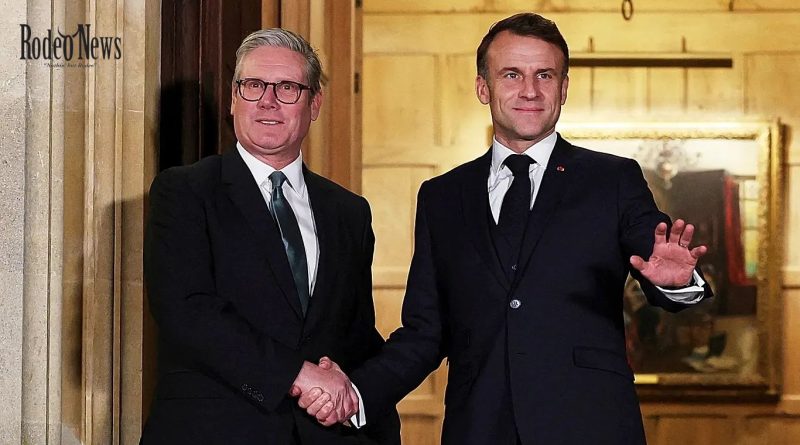
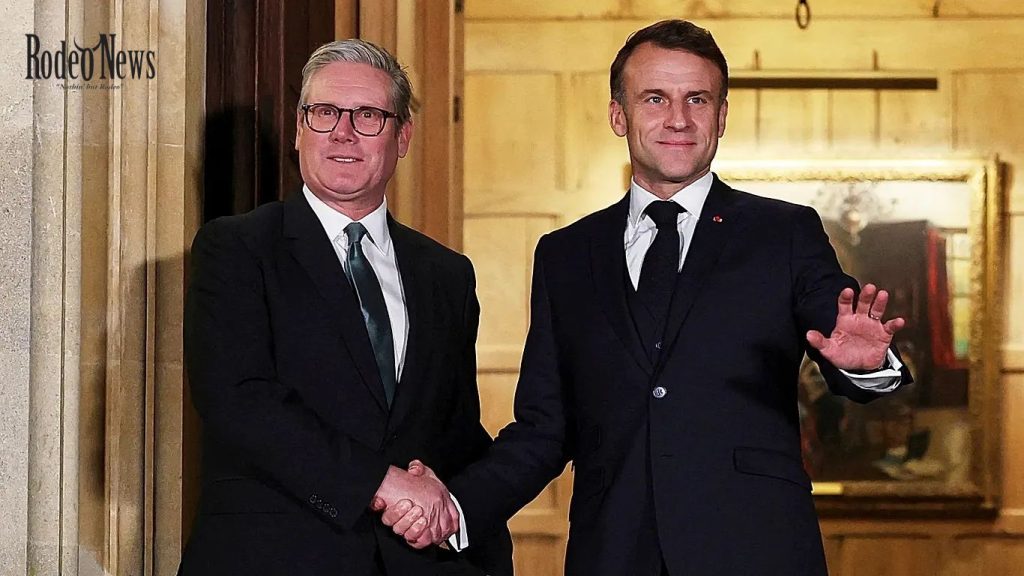
The proposed mission is being spearheaded by European powers, particularly France and the United Kingdom, who have convened high-level meetings involving dozens of countries.
According to recent developments:
- Around 40 nations are participating in discussions
- The coalition focuses on non-offensive, defensive operations
- The mission is expected to launch after active conflict ends
- Coordination with global powers, including the U.S., may follow later
Unlike previous U.S.-led military initiatives in the region, this effort emphasizes neutrality and collective security. European leaders have made it clear they do not want to be drawn directly into the ongoing conflict but are willing to ensure maritime safety once conditions allow.
This distinction reflects growing geopolitical independence among European nations, as they seek to balance security concerns with diplomatic caution.
What the Mission Will Actually Do
The Strait of Hormuz mission is expected to focus on several key operational areas:
1. Mine-Clearing Operations
European defense officials have confirmed that several countries possess the capability to clear naval mines from the strait—a crucial step in reopening the route safely.
2. Maritime Surveillance
The coalition will likely deploy surveillance systems and naval assets to monitor shipping lanes and detect threats.
3. Escort Services
Rather than engaging in combat, the mission may provide defensive escorts to commercial vessels navigating the strait.
4. Intelligence Sharing
Participating nations are expected to share real-time intelligence to enhance maritime security and prevent further disruptions.
Importantly, the mission is being designed as a non-belligerent operation, meaning it will avoid direct involvement in hostilities while still ensuring safe passage for global trade.
The Role of Ongoing Conflict
The timeline of the Strait of Hormuz mission remains uncertain, largely because it depends on the trajectory of the broader Middle East conflict.
The crisis began after U.S. and Israeli strikes on Iran in late February, prompting Tehran to close the strait and restrict maritime traffic.
In response:
- The United States imposed a naval blockade
- Iran deployed mines and threatened vessels
- Shipping companies suspended operations
As a result, the region has become one of the most volatile maritime zones in the world.
Although a temporary ceasefire has been discussed, tensions remain high, and any escalation could delay or complicate the planned mission.
Europe’s Strategic Shift
One of the most notable aspects of the Strait of Hormuz mission is the leadership role taken by Europe.
Historically, security operations in the Gulf region have been dominated by the United States. However, recent developments suggest a shift:
- European nations are coordinating independently
- The mission excludes direct involvement from conflict parties
- There is a stronger emphasis on diplomacy and multilateralism
This approach reflects broader frustrations with U.S. foreign policy and a desire among European leaders to assert greater control over international security matters.
It also highlights Europe’s vulnerability to energy disruptions, particularly given its reliance on imported fuel.
Economic Impact and Global Stakes
The stakes of the Strait of Hormuz mission extend far beyond regional politics.
Energy Markets
The closure of the strait has triggered one of the most significant energy shocks in recent years. Prices for oil, gas, and refined fuels have surged, affecting industries worldwide.
Aviation Sector
Airlines are already feeling the pressure, with warnings of potential fuel shortages leading to canceled flights and higher ticket prices.
Global Trade
The disruption has slowed shipping routes, increased costs, and created bottlenecks across supply chains.
Financial Markets
Uncertainty surrounding the strait has contributed to volatility in global markets, with investors closely monitoring developments.
In short, reopening the strait is not just a regional priority—it is a global necessity.
Challenges Ahead
Despite strong international support, the Strait of Hormuz mission faces several challenges:
1. Security Risks
The presence of mines, drones, and military assets in the region poses ongoing threats to navigation.
2. Political Coordination
Aligning the interests of 40+ countries is no small task, particularly when major powers have differing priorities.
3. Dependence on Ceasefire
The mission cannot proceed until hostilities have sufficiently subsided, making its timeline uncertain.
4. Regional Tensions
Even after reopening, maintaining long-term stability in the strait will require continued diplomatic engagement.
What Happens Next?
A formal statement outlining the next steps of the Strait of Hormuz mission is expected following ongoing international talks.
Key developments to watch include:
- Confirmation of participating countries
- Establishment of an operational command center (potentially in Oman)
- Deployment timelines for naval assets
- Coordination mechanisms with global stakeholders
As discussions continue, the mission is shaping up to be one of the most significant international maritime operations in recent years.
Conclusion: A Defining Moment for Global Security
The Strait of Hormuz mission represents more than just a logistical effort to reopen a shipping lane—it is a defining moment for global security and international cooperation.
With energy markets in turmoil and geopolitical tensions at a peak, the success of this mission could determine the trajectory of the global economy in the months ahead.
Europe’s leadership in this initiative signals a shift in the balance of power, while the involvement of dozens of nations underscores the shared stakes in maintaining open and secure trade routes.
As the world watches closely, one thing is clear: reopening the Strait of Hormuz is not optional—it is essential.