Steam Deck 2 Revealed: 5 Big Upgrades Coming Soon
The long-awaited Steam Deck 2 is officially in development, and new updates from Valve Corporation suggest the next-generation handheld gaming device could bring major improvements over its predecessor. More than four years after the original concept was first teased by Gabe Newell, the company has confirmed that work is actively underway — but with a clear focus on meaningful innovation rather than minor upgrades.
Valve Confirms Steam Deck 2 Is Still in Development
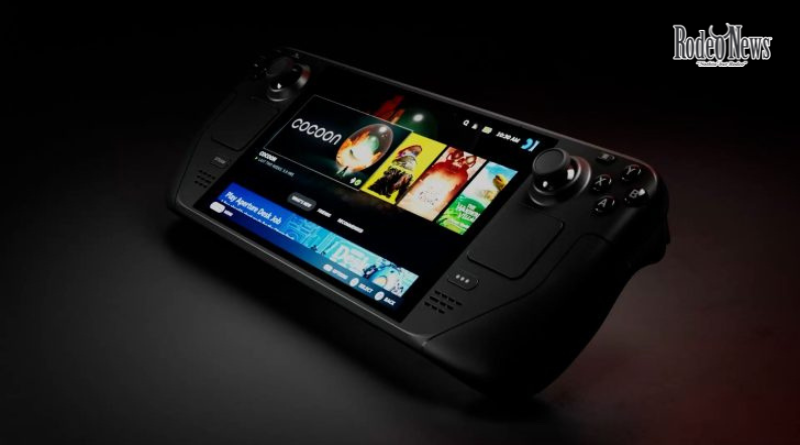
According to recent reports, Valve has reiterated that it is “hard at work” on the Steam Deck 2, reinforcing earlier statements that the device is not just an incremental refresh.
The company has emphasized that it does not want to rush a new version unless it delivers a significant leap in performance and capabilities. This approach aligns with Valve’s broader hardware philosophy, which prioritizes long-term value over frequent hardware iterations.
While fans have been eager for a sequel, Valve appears committed to ensuring that the Steam Deck 2 truly feels like a next-generation device, rather than a simple upgrade with a better screen or slightly improved battery.
Why Valve Is Taking Its Time
Unlike many tech companies that release new devices annually, Valve is taking a slower, more deliberate approach. The original Steam Deck, released in 2022, remains a powerful handheld PC, especially with the introduction of the OLED model in 2023.
There are several reasons behind this strategy:
1. Hardware Limitations Must Be Overcome
Developers have noted that current handheld devices, including the Steam Deck, face memory and performance constraints.
Creating a true successor means addressing these bottlenecks in a meaningful way, which requires advancements in hardware technology.
2. Avoiding Incremental Upgrades
Valve has made it clear that it does not want to release a new device with only minor improvements. Instead, the goal is to deliver a noticeable generational leap.
3. Market Positioning
The Steam Deck sits somewhere between a gaming console and a PC. Valve wants the next version to strengthen this position and compete more effectively with both traditional consoles and emerging handheld PCs.
5 Big Upgrades Expected in Steam Deck 2
Although official specifications have not been revealed, industry insights and Valve’s comments point to several major improvements likely coming with the Steam Deck 2.
1. Next-Generation Performance
The most anticipated upgrade is a significant boost in CPU and GPU power. This would allow the device to run modern AAA games at higher settings and smoother frame rates.
2. Improved Battery Life
Battery life has been a key limitation of the original Steam Deck. A more efficient chipset could dramatically extend playtime without increasing device size.
3. Enhanced Display Technology
While the OLED model improved visuals, the Steam Deck 2 could introduce higher refresh rates, better brightness, and improved color accuracy.
4. Better Thermal Efficiency
Improved cooling systems may reduce heat and noise, making long gaming sessions more comfortable.
5. Expanded Compatibility and Ecosystem
Valve continues to improve Linux-based gaming through Proton. The Steam Deck 2 is expected to offer even better compatibility with Windows games, narrowing the gap between handheld and desktop gaming.
The Legacy of the Original Steam Deck
The success of the first Steam Deck played a crucial role in shaping the handheld gaming market. Developed by Valve Corporation, the device demonstrated that PC gaming could be portable without sacrificing too much performance.
It also encouraged developers to optimize games for handheld systems, leading to broader support across the industry.
Additionally, Valve’s ecosystem — including SteamOS and Proton — has continued to evolve, making Linux gaming more viable than ever.
Challenges Ahead for Steam Deck 2
Despite the excitement, several challenges remain:
Supply Chain Issues
Hardware production has been affected by global component shortages, particularly memory.
Rising Costs
The increasing price of components could impact the final retail price of the Steam Deck 2, potentially making it less accessible.
Competition
The handheld gaming market has become more crowded, with devices from other manufacturers offering powerful alternatives.
What Gabe Newell Said About the Future
Gabe Newell previously confirmed that Valve sees the Steam Deck as part of a long-term hardware strategy. The company is not abandoning the platform — instead, it is doubling down on making it better over time.
This means that the Steam Deck 2 is not just a sequel, but a continuation of Valve’s broader vision for portable PC gaming.
When Will Steam Deck 2 Be Released?
As of now, Valve has not announced an official release date for the Steam Deck 2. However, based on current development timelines and the company’s emphasis on significant upgrades, it is unlikely to arrive in the immediate future.
Industry analysts suggest that Valve may wait until new hardware technologies mature before launching the device.
Why Steam Deck 2 Could Be a Game-Changer
If Valve delivers on its promises, the Steam Deck 2 could redefine portable gaming once again. By combining the flexibility of a PC with the convenience of a handheld device, it has the potential to:
- Compete with traditional consoles
- Replace entry-level gaming PCs
- Expand the reach of PC gaming globally
Moreover, continued improvements in software and hardware integration could make the Steam Deck ecosystem even more appealing.
Final Thoughts
The Steam Deck 2 is shaping up to be one of the most anticipated gaming devices in development. While Valve is taking its time, the focus on delivering a true generational upgrade suggests that the wait could be worth it.
With stronger performance, better battery life, and improved compatibility, the next iteration of the Steam Deck may push handheld gaming to entirely new heights.
For now, gamers will have to remain patient — but all signs point to a future where portable PC gaming becomes more powerful and accessible than ever before.