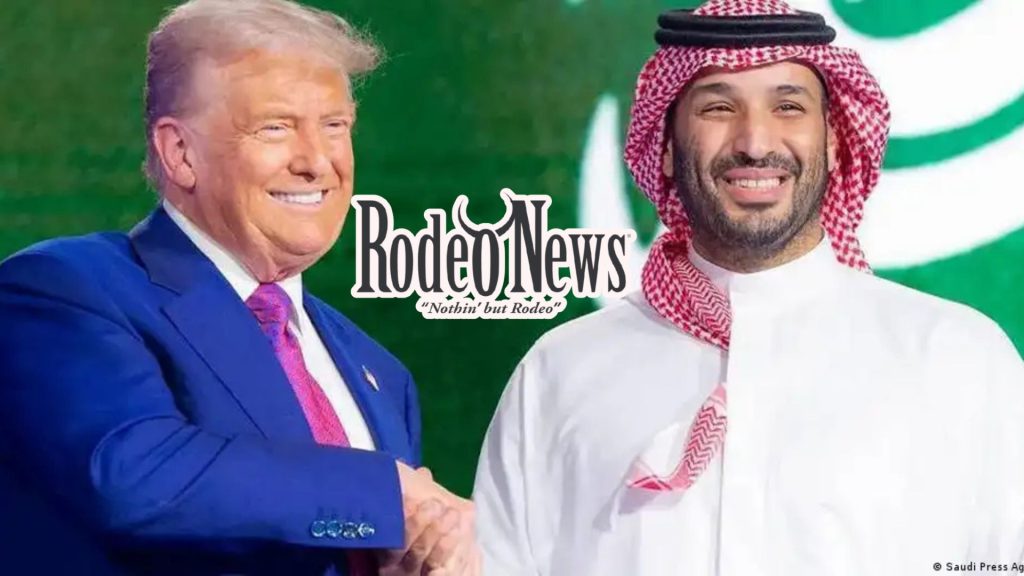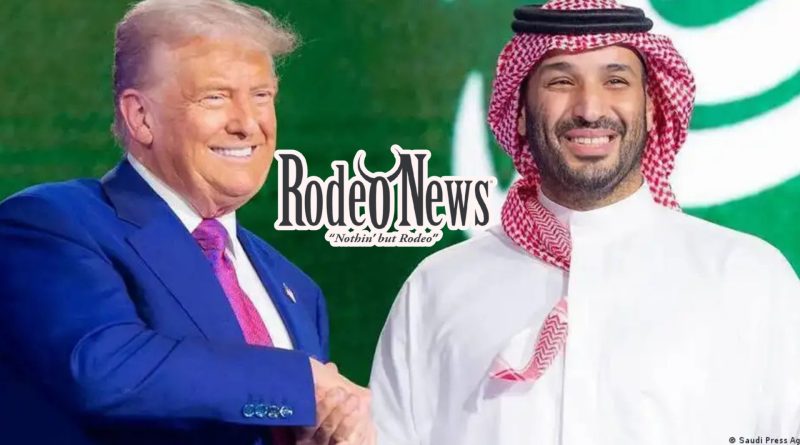
MBS Visits Washington: Key Stakes in the U.S.–Saudi Strategic Reset
From Riyadh’s perspective, the trip aims to elevate its defense ties with Washington. Saudi Arabia has long sought a formal security guarantee from the U.S., and while a full treaty may remain elusive, reports suggest that Riyadh is pushing for an executive-level defense agreement.
This growing alignment coincides with a major arms deal: a previously announced $142 billion U.S. weapons package is being fast-tracked, potentially including advanced F-35 jets.
Investing in the Future — and Tech
Economic cooperation is also front and center. Saudi Arabia is pledging hundreds of billions in U.S. investments across sectors such as energy, artificial intelligence, and critical infrastructure.
A significant part of this drive is Saudi Arabia’s vision to become an AI powerhouse. Riyadh sees its low-cost energy as a competitive advantage to power large-scale data centers — and the U.S. as the essential technology partner.
The Nuclear Question
One of the more sensitive issues is nuclear energy. Saudi Arabia wants civilian nuclear capability — possibly even uranium enrichment under safeguards — which raises nonproliferation concerns.
Doha Institute
While Washington historically resists regional enrichment programs, both sides may negotiate a deal that balances Saudi ambitions and U.S./allied security needs.
Regional Diplomacy and Geopolitics
MBS’s visit is not just about bilateral issues. He reportedly plans to present a broader regional vision, which could include proposals on Palestine, Iran, and Lebanon.
However, normalization with Israel — a long-held U.S. goal — remains complicated. The Saudis are cautious, demanding clear progress on Gaza reconstruction and a viable Palestinian roadmap before making any major diplomatic moves.
Challenges and Risks
Political Constraints in the U.S.: A full mutual defense treaty requires Senate approval, which may be difficult to secure.
Human Rights: Despite his modernization agenda, MBS’s human rights record remains controversial. Critics argue Washington could downplay these concerns in favor of strategic gains.
Alternative Partners: Riyadh is hedging its bets by maintaining engagement with China and Russia, signaling that while the U.S. remains a top partner, it’s not the only one.
The Washington Institute
Why It Matters
This visit marks more than a diplomatic reset: it’s a strategic bet on both sides. For Saudi Arabia, deepening ties with America helps power Vision 2030, the kingdom’s reform blueprint for the post-oil era.
ncusar.org
For the U.S., closer ties with Riyadh reinforce its role in Gulf security, technology, and energy. In an increasingly multi-polar world, Saudi Arabia remains a crucial node — not just for oil, but for future industries like AI and clean energy.