Fitbit Edge Revealed: Google’s New $180 Fitness Tracker
Google has introduced the Fitbit Edge, a new fitness tracker designed to bridge the gap between its screenless Fitbit Air and the more advanced Pixel Watch. Priced at $179.99, the wearable combines a slim design with an OLED display, improved activity tracking, built-in GPS and AI-powered health coaching.
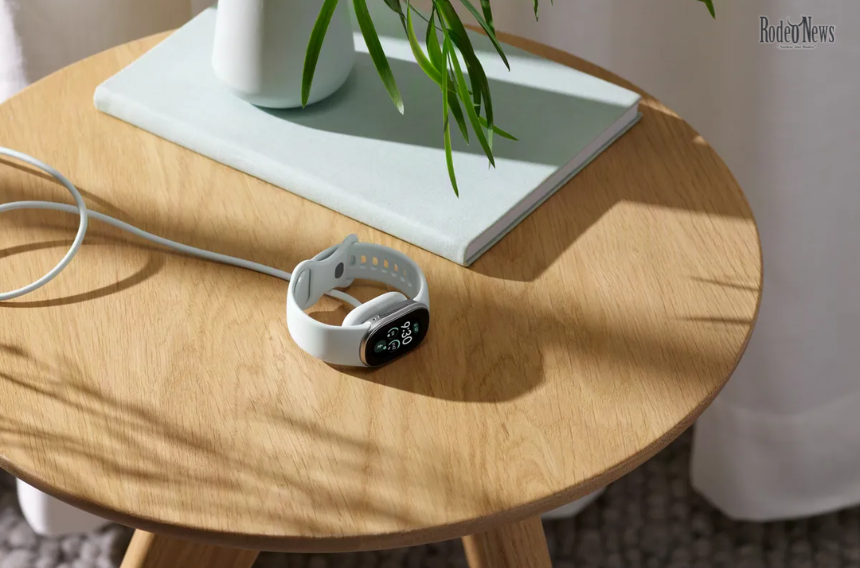
Announced on October 12, 2026, the Fitbit Edge targets people who want more information available on their wrists without committing to a full smartwatch. Its display provides quick access to notifications, navigation directions, weather updates and music controls, while its lightweight design is intended for everyday use.
The launch expands Google’s wearable lineup with an option that balances fitness features, convenience and battery life. The company is positioning the device as a practical choice for users who want detailed workout information without the additional complexity of a smartwatch.
Fitbit Edge Brings a Display to a Slim Fitness Tracker
One of the biggest differences between the Fitbit Edge and the Fitbit Air is the screen. While the Air follows a screenless approach, the Edge adds an OLED display that lets users check important information directly from their wrists.
The display makes everyday interactions more convenient. Users can view incoming notifications, check weather conditions, follow map directions and manage music playback without constantly reaching for their phones.
Despite the added screen, Google has maintained a slim fitness-band design. This approach could appeal to people who prefer lightweight wearables for work, exercise and sleep tracking.
The Fitbit Edge sits between two distinct products in Google’s portfolio. The Fitbit Air emphasizes simplicity, while the Pixel Watch offers a broader smartwatch experience. The Edge attempts to combine the straightforward design of a fitness tracker with some of the convenience associated with a smartwatch.
Fitbit Edge Features AI-Powered Health Coaching
Google is also bringing its Health Coach experience to the Fitbit Edge. Powered by Gemini, the service uses information about a user’s activity, health and fitness habits to help develop personalized routines and workout plans.
The coach can create weekly recommendations and adjust them around a user’s schedule. This could make it easier for people to maintain consistent exercise habits while balancing work, family commitments and other responsibilities.
However, access to Google Health Coach requires a Google Health Premium subscription. Buyers should consider this additional requirement when evaluating the device’s long-term cost.
The wearable also supports Google’s Health Guardian feature, which is designed to identify notable changes in health measurements over time. According to the company, these insights can include indicators associated with blood pressure and insulin resistance.
These features are intended to support general wellness awareness rather than replace professional medical advice. Users should not treat wearable-generated measurements or coaching recommendations as a medical diagnosis.
Improved GPS and Automatic Workout Tracking
Fitness tracking is another central part of the Fitbit Edge experience. Google says its built-in GPS is 40% more accurate than that of the previous generation, potentially improving route tracking during outdoor runs and other activities.
Because GPS is integrated into the wearable, users can record outdoor exercise routes without depending entirely on their phones for location data.
The device can also automatically recognize and log up to 100 activities, including walking, running and cycling. By interpreting movement patterns and other contextual information, the tracker can identify workouts and add them to a user’s weekly activity goals.
For people who occasionally forget to start tracking before exercising, automatic recognition could be a useful addition.
The Fitbit Edge supports more than 50 exercise modes and offers on-screen prompts during workouts. These prompts can encourage users to increase their effort or take a break when appropriate.
Google also reports a 15% improvement in sleep-stage detection accuracy compared with earlier generations. Better sleep tracking could help users understand their sleeping patterns and receive more relevant wellness recommendations.
Actual results may vary depending on individual circumstances, device settings and how the tracker is worn.
Fitbit Edge Battery Life and Water Resistance
Battery performance remains an important consideration for fitness wearables, particularly for people who want continuous activity and sleep tracking.
Google rates the Fitbit Edge for up to seven days of battery life on a single charge. That endurance could reduce the need for frequent charging and make it easier to maintain consistent tracking throughout the week.
The advertised figure represents maximum estimated battery life under specified usage conditions. Features such as display settings and activity tracking can affect real-world performance.
The tracker is also water-resistant to 50 meters, making it suitable for many everyday activities and water-based exercise within its stated limitations. However, water resistance does not mean a device is completely waterproof under every condition.
Google has designed the Edge for use throughout the day, from exercise sessions to daily routines and overnight sleep monitoring.
Fitbit Edge Price, Colors and Availability
The standard Fitbit Edge costs $179.99 and is available for preorder through the Google Store. According to the announcement, retail availability begins October 27, 2026.
Google offers the wearable in four color options: Obsidian, Fog, Olive and Canyon. These choices give buyers several finishes to suit different personal styles.
There is also a Stephen Curry Special Edition priced at $219.99. The edition adds a premium option for customers interested in the collaboration with the basketball star.
The pricing places the Fitbit Edge above the $99 Fitbit Air in the United States, but below Google’s Pixel Watch range. That difference reflects its position as a more feature-rich fitness tracker that does not attempt to deliver every capability found in a full smartwatch.
Buyers should also account for subscription requirements when comparing the total cost of ownership, particularly if they want to use Google’s AI-powered coaching features.
Can Fitbit Edge Compete With the Pixel Watch?
The Fitbit Edge gives Google another way to serve consumers with different wearable preferences. Some people want a smartwatch with extensive interactive features, while others prefer a discreet tracker that focuses on health, exercise and battery life.
The Edge occupies the space between those approaches. Its screen provides more immediate information than the Fitbit Air, while its slim design and week-long advertised battery life offer a different experience from a conventional smartwatch.
For runners, walkers and people building consistent exercise routines, features such as built-in GPS, automatic workout recognition and personalized coaching may be particularly attractive.
Nevertheless, the Edge’s appeal will depend on what buyers expect from a wearable. People who prioritize a full smartwatch experience may prefer the Pixel Watch, while those who want a simpler, screen-free device may find the Fitbit Air more suitable.
The additional subscription requirement for AI coaching is another factor to consider.
Google’s Next Step in Wearable Fitness Technology
The Fitbit Edge represents Google’s effort to offer more choice across its wearable lineup. Rather than forcing consumers to choose only between a basic fitness band and a full smartwatch, the company is introducing a device that combines selected features from both categories.
Its OLED display, improved GPS, automatic activity tracking and Gemini-powered coaching make it a notable addition to the Fitbit family. At the same time, its slim design and advertised battery life preserve the practical qualities many fitness tracker users value.
Whether the Fitbit Edge becomes a compelling option for everyday fitness will depend on its real-world performance, the usefulness of its coaching tools and the value customers receive from its subscription-based features.
With preorders underway and retail availability scheduled for October 27, the device gives consumers another option to consider when choosing a wearable for exercise, sleep and everyday health tracking.