U.S.-NATO Commander: 5 Key Stakes in Russia Tensions
The U.S.-NATO commander in Europe has pledged a forceful response to any Russian attack on alliance territory, while Washington is reportedly pressing Ukraine to stop striking Russian oil refineries. The two messages highlight the competing security and diplomatic priorities shaping the Western response to the war in Ukraine.
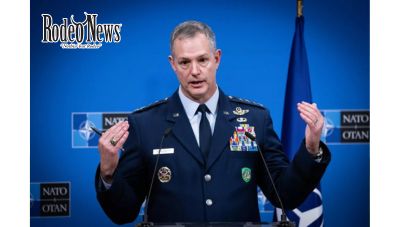
Gen. Alexus Grynkewich, who leads U.S. and NATO forces in Europe, delivered his warning as European governments expressed concern about Russia’s military posture and the possibility of further confrontations. His remarks were intended to reassure NATO members that the alliance was preparing to defend its territory if Moscow launched an attack.
At the same time, U.S. officials have reportedly warned Kyiv that continued attacks on Russian refineries could jeopardize access to important American weapons and intelligence support. The Washington Post reported that Grynkewich was among the officials who conveyed Washington’s request, citing a Ukrainian security adviser and a Western official familiar with the discussions.
The contrasting messages reveal the complicated calculations facing the Trump administration. Washington wants to discourage Russian aggression in Europe while also pursuing measures intended to ease energy-price pressures at home and encourage a change in the course of the conflict.
U.S.-NATO Commander Signals Readiness to Defend Europe
Grynkewich’s remarks underscored NATO’s commitment to defending its members against a military attack. Speaking in Warsaw at the Warsaw Security Forum on October 12, he outlined an approach built around stopping an initial assault, preventing an enemy advance and, if necessary, defeating the forces responsible.
The strategy relies on coordinated military capabilities across land, sea and air. It also includes sensors and autonomous systems designed to help NATO forces identify threats and respond more effectively.
The message was directed at a European audience increasingly concerned about security risks linked to Russia’s war against Ukraine. Although the alliance has continued strengthening its defenses, officials have debated whether member countries are sufficiently prepared to respond to every possible scenario.
Grynkewich emphasized that NATO does not seek a war with Russia. Instead, the alliance’s military preparations are intended to make an attack unsuccessful and reduce the incentive for Moscow to test its defenses.
That distinction is central to NATO’s deterrence strategy. Military readiness is designed not only to provide a response if an attack occurs but also to persuade a potential adversary that aggression would carry unacceptable costs.
However, the effectiveness of deterrence depends on more than declarations. It also requires sufficient forces, reliable intelligence, coordinated decision-making and the ability to deploy equipment quickly when a crisis develops.
1. NATO Faces Growing Questions About European Security
European governments have been paying closer attention to the possibility of Russian actions extending beyond the battlefield in Ukraine.
Concerns include sabotage, cyberattacks, drone incidents and other activities that Western officials have attributed to Moscow. Such incidents can create pressure on national security agencies even when they fall short of an open military confrontation.
NATO members must determine how to respond to these threats without allowing individual incidents to trigger an uncontrolled escalation. They also need to agree on what constitutes a serious enough challenge to require a coordinated alliance response.
Grynkewich’s comments were intended to reinforce the idea that NATO would not allow an attack on its territory to succeed. A clear military response plan can help reduce uncertainty about the alliance’s intentions.
Nevertheless, preparedness remains a practical challenge. Countries need effective air defenses, surveillance systems, trained personnel and compatible equipment. The growing use of drones and other relatively inexpensive technologies has added new demands to national defense planning.
For European governments, the issue is therefore twofold: maintaining credible military deterrence while ensuring that political leaders can agree on a response when confronted with ambiguous or limited attacks.
The war in Ukraine remains central to these calculations because Russia’s military actions have reshaped Europe’s security environment and increased the importance of cooperation among NATO members.
2. Washington’s Warning Puts Pressure on Kyiv
While Grynkewich publicly emphasized the need to deter Russia, U.S. officials were reportedly delivering a separate message to Ukraine.
According to The Washington Post, American officials have urged Kyiv to pause attacks on Russian oil refineries. The newspaper cited two officials familiar with the matter who spoke anonymously because they were discussing sensitive information.
The reported warning included the possibility that Ukraine could lose access to critical U.S. weapons and intelligence if it continued the strikes.
Such assistance has been an important part of Ukraine’s ability to defend itself against Russia’s full-scale invasion. Weapons, intelligence and other military support can influence battlefield planning, targeting and the ability to counter Russian attacks.
Any potential restriction would therefore carry consequences for Ukrainian military calculations. Kyiv would need to consider the immediate value of its refinery campaign against the risks of damaging a relationship that remains important to its defense.
Ukraine has used long-range drones to target Russian energy infrastructure, including facilities that process crude oil into fuel. These operations seek to disrupt industrial activity and impose economic costs on Moscow.
Russian energy facilities also support a wider economy that helps finance the country’s war effort. For Ukraine, striking such targets can form part of a broader strategy to reduce Russia’s ability to sustain its military campaign.
However, refinery attacks can affect energy production and supply, creating consequences that extend beyond the immediate battlefield. The Trump administration has linked the strikes to concerns about fuel prices and market availability.
The reported U.S. warning illustrates how decisions about military assistance can become part of wider diplomatic negotiations.
3. Russian Oil and Diesel Prices Complicate U.S. Policy
Energy prices have added another dimension to Washington’s approach to the war.
The Trump administration has sought to address domestic fuel costs while pursuing diplomatic engagement with Russian President Vladimir Putin. The Washington Post reported that the president was looking for Russian cooperation in easing energy-price pressures.
A reported diesel arrangement involving Russia has raised concerns among Ukrainian and European officials. Critics worry that commercial engagement could provide Moscow with revenue or political leverage while the war continues.
The issue is particularly complicated because energy markets are influenced by several factors. Production disruptions, shipping conditions, refining capacity, sanctions and geopolitical uncertainty can all affect prices.
Ukraine’s attacks on Russian refineries may contribute to supply concerns, but fuel prices cannot automatically be attributed to a single cause. Broader international market conditions also matter.
For the White House, the challenge is balancing domestic economic priorities with its security commitments and diplomatic objectives. Lower fuel costs could offer economic benefits, but policies intended to achieve that goal may generate disagreement with allies.
The issue also highlights the difference between commercial negotiations and military strategy. An energy agreement does not, by itself, resolve the conflict or establish a durable security arrangement.
For Ukraine, any policy that appears to prioritize Russian energy supplies over its defense could raise questions about the consistency of American support.
4. Ukraine Must Balance Battlefield Pressure With U.S. Support
Kyiv faces difficult decisions as it tries to weaken Russia’s war-making capacity while preserving access to outside assistance.
Long-range attacks on Russian infrastructure offer Ukraine a way to strike targets far from the front lines. Such operations can disrupt production, force Russia to allocate resources to domestic security and complicate the management of its energy sector.
However, these operations also carry diplomatic risks when they conflict with the priorities of countries supplying Ukraine with military equipment and intelligence.
American assistance has been an important factor in Ukraine’s defense, and a threat to restrict that support could influence Kyiv’s decisions. The consequences would depend on the scale and duration of any restriction, the systems affected and the availability of alternative assistance.
Ukraine and its European partners would also have to consider how a change in U.S. policy might affect their longer-term defense planning.
The reported pressure does not necessarily mean that Washington has formally suspended assistance. Rather, the reporting points to a warning about the potential consequences of continuing a particular category of military operation.
That distinction matters because diplomatic requests, private warnings and confirmed policy decisions are not the same thing.
Kyiv must also consider the risks of restraint. If Ukraine stops attacking Russian energy infrastructure while Russian forces continue striking Ukrainian targets, the two sides could face an imbalance in their ability to impose costs.
Any proposed pause would therefore raise questions about reciprocity, monitoring and enforcement. A workable arrangement would need clarity about which targets are covered, when restrictions begin and what happens if either side violates the terms.
5. The Wider Alliance Must Maintain a Common Strategy
The contrasting messages from Washington illustrate a broader challenge for NATO and its partners: coordinating military deterrence with efforts to manage escalation.
European governments want assurances that the alliance can respond to a direct Russian attack. Ukraine, meanwhile, needs support to defend its territory and resist continued Russian military operations.
The United States has significant influence over both issues because of its military capabilities, intelligence resources and role in transatlantic security.
Yet alliance policy involves more than a single public statement. European countries must invest in their own defense capabilities, coordinate procurement and determine how to respond to threats that may affect different members in different ways.
The development of autonomous systems and improved surveillance can strengthen NATO’s ability to detect and counter emerging threats. However, technology alone cannot resolve disagreements about political priorities or the appropriate response to an incident.
A coherent strategy also requires communication among allies. If public commitments and private diplomatic demands appear to point in opposite directions, European governments and Ukraine may question how Washington intends to balance deterrence, negotiations and economic interests.
The challenge is especially important when military decisions are connected to energy markets. A policy aimed at reducing fuel costs could have implications for Russia’s revenue, Ukraine’s targeting strategy and the unity of Western governments.
Maintaining coordination will require clear explanations of policy goals and consistent communication about the conditions attached to military assistance.
What Happens Next?
The immediate questions concern whether Ukraine will alter its refinery campaign, whether Washington will attach formal conditions to military support and whether diplomatic efforts can produce a broader reduction in attacks.
The reported U.S. request is not the same as a publicly confirmed agreement between Russia and Ukraine. Any pause in strikes would need to be assessed against actions by both sides, rather than announcements alone.
NATO’s position is also likely to remain focused on deterrence. Grynkewich’s remarks emphasized that the alliance intends to stop an attack and prevent an adversary from holding territory if a confrontation occurs.
At the same time, European governments will continue facing practical questions about readiness, equipment and the coordination of national responses.
For Ukraine, the relationship with Washington remains a critical consideration as the country weighs its military objectives against the potential costs of losing important assistance.
For the Trump administration, the competing priorities are equally clear: discouraging Russian aggression, managing relations with European allies, supporting a path toward ending the war and addressing domestic economic concerns.
Those goals may overlap in some circumstances, but the latest developments show that they can also come into conflict.
The coming decisions will help determine whether Washington can reconcile its deterrence strategy with its diplomatic and energy priorities. Until clearer agreements emerge, the gap between public assurances to Europe and reported pressure on Kyiv will remain a central issue in the Western response to Russia’s war.
The stakes extend beyond refinery strikes or a single military speech. They concern the credibility of NATO’s deterrence, the durability of support for Ukraine and the ability of Western governments to maintain a coordinated approach to European security.