Deja Vu at the SLS Launchpad: Why NASA Can’t Shake Its Hydrogen Leak Problem
The Same Problem, Three Years Later
For NASA engineers watching from the control rooms at Kennedy Space Center, the moment likely felt uncomfortably familiar.
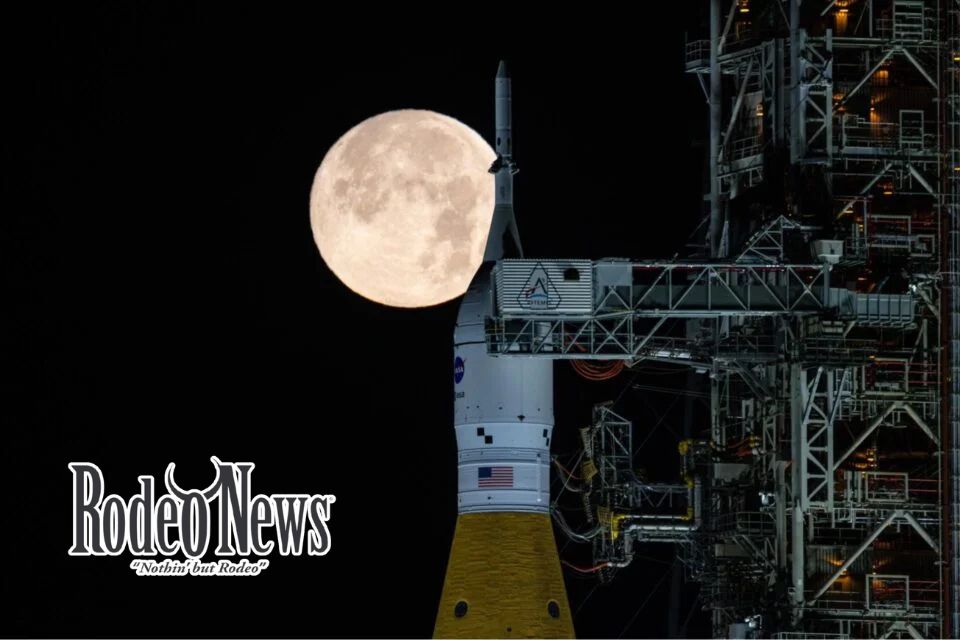
During a wet dress rehearsal for the Artemis 2 mission, technicians detected a hydrogen leak while fueling the Space Launch System (SLS) rocket—an issue that echoes the very problem that repeatedly delayed the Artemis 1 mission in 2022. The test was terminated at the T-minus 5 minutes and 15 seconds mark, halting progress toward the rocket’s first crewed flight.
The discovery immediately raised an awkward question: after three years of analysis, redesigns, and lessons learned from Artemis 1, why is NASA still dealing with the same hydrogen leak issue?
A Familiar Weak Point
According to NASA, the leak was detected in one of the tail service mast umbilicals on the mobile launcher. These 35-foot-tall structures serve as critical lifelines between the rocket and the ground, carrying cryogenic propellant as well as electrical and data connections to the SLS core stage.
Notably, one of these same umbilicals was also the source of hydrogen leaks that plagued Artemis 1, leading to multiple scrubbed launch attempts before the uncrewed mission finally lifted off in November 2022.
In a statement released Sunday, NASA said technicians replaced two seals inside the affected tail service mast, which engineers believe were responsible for the leak. The removed components are now undergoing analysis to determine the precise failure mechanism.
Still, the recurrence has fueled skepticism about whether the root cause has truly been addressed.
Hydrogen: A Powerful but Unforgiving Fuel
In many ways, NASA is battling physics as much as engineering.
Liquid hydrogen is notoriously difficult to contain. As the smallest molecule in nature—made up of just two bonded hydrogen atoms—it can slip through microscopic imperfections in seals, joints, and fittings that would easily contain other propellants.
Compounding the challenge is hydrogen’s extreme temperature. Stored at minus 423 degrees Fahrenheit (minus 253 degrees Celsius), the fuel can cause metals and elastomers to contract, stiffen, or crack, creating tiny gaps that allow leaks to form under pressure.
Yet despite these challenges, liquid hydrogen remains unmatched in energy-to-weight efficiency. Pound for pound, no other chemical rocket fuel produces more thrust. That performance advantage is why NASA has relied on hydrogen for decades, from the Space Shuttle program to today’s Artemis missions.
It is also why hydrogen leaks are not new.
A Shuttle-Era Legacy
The Space Launch System was designed using many technologies inherited from the Space Shuttle, including its main engines and fuel philosophy. During the Shuttle era, hydrogen leaks were a persistent operational headache, sometimes grounding orbiters for weeks while engineers chased down elusive faults.
SLS, by design, carries forward that legacy—along with its vulnerabilities.
What makes the Artemis situation more acute is how little flight experience the rocket has accumulated. Artemis 1 remains the only SLS launch to date. With so few real-world fueling cycles and launches, engineers have limited opportunities to expose and correct subtle hardware weaknesses.
From that perspective, the Artemis 2 wet dress rehearsal was not a failure, but a revealing stress test.
Signs of Progress Beneath the Setback
Despite the leak, NASA officials emphasized that the latest rehearsal showed significant improvement over Artemis 1’s early attempts.
During the first Artemis 1 wet dress rehearsal in 2022, engineers were forced to scrub before fueling even began due to pressurization issues with the mobile launcher. This time, teams successfully loaded both the core stage and upper stage propellant tanks on the first try—a major milestone.
“We really did learn a lot from the Artemis 1 mission, and we implemented a lot of the lessons learned yesterday through wet dress,” Lori Glaze, acting associate administrator for NASA’s Exploration Systems Development Mission Directorate, said during a February 3 press conference.
The smoother fueling process suggests that many earlier issues have been resolved, even if hydrogen containment remains a stubborn outlier.
What Happens Next
NASA is now working to avoid a repeat of the protracted Artemis 1 timeline, which required four wet dress rehearsal attempts followed by three launch attempts before success.
Engineers are analyzing the removed seals to pinpoint why they failed and are reconnecting the interface plates and quick-disconnect fittings between the rocket and the mobile launcher. Additional tests will be conducted to verify the repairs before another wet dress rehearsal is scheduled.
If those tests go smoothly and no new issues emerge, NASA says Artemis 2 could still launch as early as March 6.
That schedule carries enormous weight. Artemis 2 will be the first crewed mission of the SLS program, sending astronauts on a journey around the Moon and marking a critical step toward future lunar landings.
A Crucial Test of Lessons Learned
Hydrogen leaks may be a familiar adversary, but patience is thinner now that the Artemis program has entered its crewed phase. Each delay increases pressure on NASA to demonstrate that it can operate SLS reliably, safely, and predictably.
Whether the latest leak proves to be a minor hiccup or a symptom of deeper design challenges remains to be seen. What is clear is that Artemis 2 will test not just a rocket, but NASA’s ability to apply hard-won lessons from its past.
Soon, the agency—and the world—will find out whether this bout of déjà vu ends differently.