Ancient “Level-7” Super-Predator: 10-Meter Reptiles That Could Have Preyed on Killer Whales
Researchers from McGill University have uncovered a truly extraordinary marine ecosystem from 130 million years ago — one in which giant reptiles ruled the seas from an even higher place on the food chain than any predator alive today.
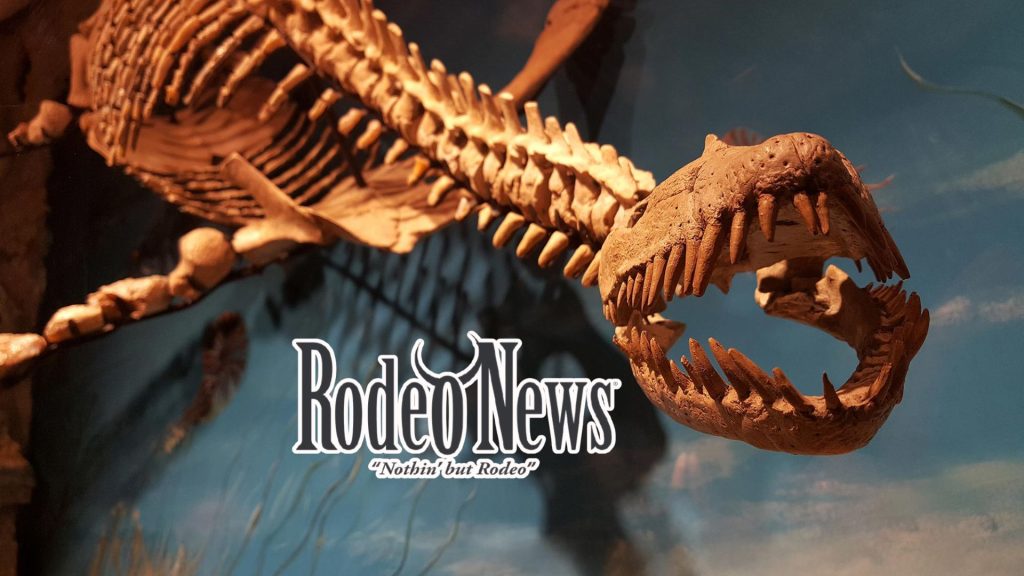
In a new study published in the Zoological Journal of the Linnean Society, scientists reconstructed the ancient food web of Colombia’s Paja Formation and discovered what they call “level-7” super-predators. These were aquatic reptiles — notably pliosaurs like Monquirasaurus boyacensis and Sachicasaurus vitae — that reached lengths of about 10 meters. According to the team, these animals inhabited a trophic level beyond anything seen in modern oceans.
A Food Web More Complex Than Today’s Oceans
Trophic levels help us understand who eats whom in an ecosystem. In modern seas, apex predators such as killer whales and great white sharks occupy the sixth trophic level. But the Paja Formation, according to this new analysis, supported creatures living at a seventh level — a rarity in known ecosystems.
To build their model, the researchers analyzed all known fossils from the Paja Formation, looking at body size, feeding habits, and comparisons with modern species. They built a network and validated it by comparing with a highly detailed model of a current Caribbean food web.
The Giants at the Top
At the apex of this ancient web were massive pliosaurs (short-necked marine reptiles) and a large teleosaur, all roughly ten meters long. These predators had powerful jaws full of conical teeth — perfectly adapted for ambush hunting in a competitive and rich ecosystem.
Beneath them, the food chain included ammonites (primitive cephalopods), possibly belemnites, and a host of smaller carnivores, filter feeders, and invertebrates. This structure suggests an ecological complexity that rivals, or even surpasses, that of modern marine systems.
Why It Matters
According to lead author Dirley Cortés, this is the first time possible ecological interactions like these have been examined in a fossil ecosystem.Understanding how such a complex system worked helps us trace how food webs evolved — especially under intense competition among predators.
Co-author Hans Larsson adds that the findings shed light on how biodiversity and trophic structure developed in the oceans, shaped by fierce competition and the rise of hyper-predators.
A Glimpse into Ancient Ocean Life
This research opens a window into a time when the seas were dominated by reptiles far more fearsome than anything alive today. It’s not just about size — these were creatures that held ecological power beyond our modern benchmark of “top predator.”
The authors note that very few fossil ecosystems have had their entire food webs reconstructed. With this study, they provide a valuable reference point — one that could inform future comparisons across different periods and locations