Apple’s first foldable iPhone has attracted extraordinary early demand, with pre-orders selling through initial launch availability and delivery estimates extending into 2027 just hours after orders opened. The response offers an early indication that the company may have found a compelling new way to persuade customers to upgrade their smartphones, even at a premium price.
The device, known as the iPhone Duo, marks a major expansion of Apple’s flagship smartphone range. According to the Financial Times, the company acknowledged exceptionally strong demand as customers rushed to secure the new device ahead of its October 23, 2026, retail launch.
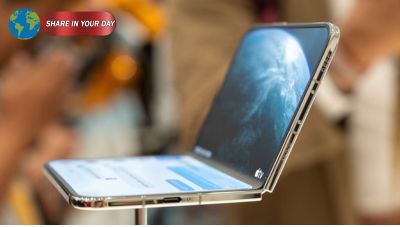
The launch is significant because foldable smartphones have long promised to combine the convenience of a conventional phone with the larger screen of a tablet. However, high prices, durability concerns and limited mainstream adoption have prevented the category from matching the popularity of traditional smartphones.
Apple is now attempting to change that equation by bringing its design philosophy, software ecosystem and established customer base into the foldable market.
The initial response is encouraging. Yet delivery delays alone cannot establish the total level of demand, particularly when supply constraints may contribute to shortages. The coming months will reveal whether the iPhone Duo becomes a lasting success or primarily attracts early adopters willing to pay for Apple’s newest technology.
1. Apple Foldable iPhone Demand Surges After Pre-Orders Open
The iPhone Duo’s early reception has exceeded what the initial availability could accommodate, according to reports following the launch of pre-orders on October 16.
Customers attempting to order the device online quickly encountered longer delivery estimates. Some configurations were showing expected arrivals in late January 2027, several months after the phone’s scheduled October 23 release.
The speed of the delays suggests that Apple faces a challenging launch period. Buyers who want the device immediately may need to monitor local retail inventory, while customers ordering online could face a substantial wait.
Apple has not publicly disclosed the precise number of pre-orders received. Consequently, the extent of demand remains difficult to quantify independently.
Nevertheless, the rapid movement in delivery estimates is a meaningful early signal. The company has entered a product category in which consumers must accept a significant price premium, yet interest appears strong enough to strain initial availability.
There is an important distinction between a successful launch and sustained demand. Early buyers are often the most enthusiastic customers, particularly when a device introduces an entirely new product category for a familiar brand.
The bigger test will come after the initial wave of purchases. Apple will need to demonstrate that interest extends beyond technology enthusiasts and loyal customers who routinely buy the latest flagship iPhone.
If demand remains strong into 2027, the foldable model could become an important addition to the company’s smartphone portfolio.
2. The $2,000 iPhone Duo Challenges Premium Smartphone Pricing
Price is one of the most striking features of Apple’s new device.
The iPhone Duo starts at $1,999 in the United States for the model with 256GB of storage. Its passport-style design folds into a compact form, while opening the device reveals a substantially larger display designed to support more expansive mobile experiences.
That starting price places the Duo firmly in the premium smartphone segment. It is also a significant step above the entry price of Apple’s conventional iPhone models.
For consumers, the decision will depend on whether the additional screen space and flexibility justify the cost.
A foldable phone can offer practical advantages. Users may be able to read documents more comfortably, view spreadsheets with less scrolling, compare products side by side and manage multiple applications on a larger display.
The format may also reduce the need to carry a separate tablet for certain tasks. For professionals who frequently travel or work away from a desk, that convenience could make the premium easier to justify.
However, the benefits will vary by customer. People who primarily use their phones for messaging, photography, social media and short videos may find a conventional flagship sufficient.
Apple therefore faces a familiar challenge in the premium market: convincing customers that the newest hardware provides enough additional value to warrant a higher price.
The early pre-order response indicates that at least some consumers are willing to make that investment. It does not yet establish whether the broader market will follow.
3. Apple’s Foldable iPhone Could Redefine Mobile Productivity
The appeal of the iPhone Duo extends beyond its folding mechanism.
Its larger internal display creates opportunities for Apple to expand how people interact with mobile software. Instead of treating a smartphone primarily as a device for viewing one application at a time, the company can encourage users to approach the screen as a more flexible workspace.
That could be especially useful for people who regularly switch between email, messaging, documents, calendars and web browsing.
A larger display can make it easier to compare information, review lengthy documents and handle certain work tasks without moving to a laptop. For consumers who already rely heavily on Apple’s ecosystem, the device could offer a more seamless transition between phone-based communication and tablet-style productivity.
The software experience will be critical, however.
A folding screen alone does not guarantee that applications will work well in different layouts. Developers need to optimize interfaces, ensure that content adapts smoothly when the phone opens or closes and make multitasking intuitive rather than complicated.
Apple also needs to demonstrate that the device remains comfortable to use in both configurations.
If the software feels natural, the iPhone Duo could establish a new premium category within the iPhone family. If it fails to deliver meaningful improvements over conventional models, consumers may regard the folding mechanism as an expensive novelty.
The company’s control over its hardware and software gives it an opportunity to create a consistent experience. Whether that advantage translates into a decisive market lead will depend on the quality of the finished product and the applications available to customers.
4. Supply Constraints Could Limit Apple’s Launch Success
Strong pre-orders are welcome news for Apple, but they create an immediate operational challenge: producing enough devices to satisfy customers.
Foldable smartphones are more complicated to manufacture than conventional handsets. Their designs require specialized displays, hinges and tightly integrated components that must function reliably despite repeated folding and unfolding.
Manufacturing yields also matter. If a component fails quality checks, the finished device cannot simply be shipped to customers. This can limit the number of saleable units even when factories are operating.
Apple has an extensive supply chain and considerable purchasing power. However, those advantages do not eliminate the difficulties associated with introducing a new hardware design.
The company’s initial shortage may reflect a combination of unexpectedly strong demand and limited launch inventory. Without official figures on orders, production volumes and available stock, it is not possible to determine the precise contribution of each factor.
Delivery estimates can also change as manufacturers increase output, suppliers resolve bottlenecks and retailers receive additional inventory.
For consumers, the immediate consequence is uncertainty. Buyers who place orders later may have to wait considerably longer than those who secured devices during the opening minutes of pre-orders.
For Apple, the challenge is to increase production without compromising quality.
A shortage can reinforce a product’s appeal by making it appear highly desirable. But persistent delays can also frustrate customers, encourage them to postpone purchases or push some toward competing devices.
The company must therefore turn early enthusiasm into fulfilled orders. The quality of its supply-chain execution will be just as important as the strength of its launch marketing.
5. Apple Enters a Foldable Market Already Shaped by Rivals
Apple is entering a category that has existed for several years rather than inventing foldable smartphones from scratch.
Companies including Samsung and Google have already developed foldable devices, giving consumers alternatives with established product histories.
That competition creates both opportunities and risks for Apple.
On one hand, rival products have helped introduce consumers to folding displays and the idea of carrying a larger screen in a pocket-sized device. Apple does not have to educate the entire market from the beginning.
On the other hand, existing manufacturers have had more time to refine their hardware, develop software features and learn from customer feedback.
Apple will need to differentiate the Duo through more than its brand name. Display quality, durability, battery performance, camera capabilities, software support and the overall user experience will all influence purchasing decisions.
Pricing will also matter. At $1,999, the iPhone Duo is a major discretionary purchase, particularly for customers who recently upgraded to another flagship phone.
Apple may benefit from the loyalty of consumers who prefer to remain within its ecosystem. The ability to use familiar services, applications and accessories could make switching to a competing foldable device less attractive.
Yet loyalty has limits. If customers decide that the additional screen space is not worth the premium, they may choose a conventional iPhone instead.
The most important competitive question is whether Apple can make foldable technology feel like a natural evolution of the iPhone rather than a separate category reserved for enthusiasts.
What the Launch Means for Apple’s Wider Business
The iPhone remains central to Apple’s business, making any new flagship category strategically important.
In recent years, smartphone manufacturers have faced the challenge of persuading consumers to upgrade more frequently when conventional improvements in processors, cameras and displays may not feel essential to existing owners.
A foldable design offers a more visible reason to consider a new device. It changes the physical form of the phone and introduces a different way to use the screen.
That could help Apple encourage upgrades among customers who have kept their existing devices for several years.
The opportunity is particularly relevant in the premium segment, where consumers may be more willing to pay for distinctive features. Apple’s established ecosystem also gives it a potential advantage when introducing a new category to existing customers.
However, a high launch price and limited availability could constrain the number of people able to purchase the device.
The iPhone Duo must also compete for attention within Apple’s own lineup. Some customers may prefer to buy a conventional flagship at a lower price rather than spend considerably more on a folding design.
The company’s long-term strategy will depend on whether the Duo expands the total market for premium iPhones or primarily shifts existing buyers from one model to another.
A successful launch would give Apple another product option and potentially increase revenue per customer. A less successful rollout could leave the company with an expensive product that attracts considerable attention but remains a niche offering.
Sales figures over the next several quarters will provide a clearer indication of which outcome is emerging.
Can Apple’s Foldable iPhone Sustain Its Momentum Into 2027?
The first few hours of pre-orders have generated a strong headline, but the more meaningful measure of success will be the device’s performance after launch.
Several indicators will be worth watching.
First, Apple needs to reduce delivery delays. If customers continue facing lengthy waits, the company may struggle to capture purchases from people who want a new phone immediately.
Second, the device must satisfy early buyers. Reviews and real-world reports about the display, hinge, durability, battery life and software experience will shape the next wave of purchasing decisions.
Third, Apple needs to establish whether the foldable format appeals to customers beyond its most loyal enthusiasts. Continued demand after the initial launch period would provide stronger evidence of mainstream interest.
Finally, the company must demonstrate that it can manufacture the device efficiently enough to support sustained sales.
A strong preorder period does not automatically translate into a long-term commercial breakthrough. Nor does a limited initial supply necessarily mean that demand will remain elevated indefinitely.
Both supply and demand can change quickly as production expands, competitors respond and customers gain experience with the product.
Apple’s next challenge is to turn an exciting debut into a reliable product cycle.
Conclusion: A Promising Start for Apple’s Foldable iPhone
Apple’s first foldable iPhone has made an immediate impression, with early demand pushing delivery estimates into 2027 before the scheduled October 23 retail launch.
The response suggests that consumers are willing to consider a more expensive iPhone when the design offers a genuinely different experience. The Duo’s larger internal display and compact folded form could make it attractive to customers who want the flexibility of a phone and some of the functionality of a tablet.
Nevertheless, important questions remain. Apple has not disclosed exact preorder totals, and limited initial supply may be contributing to the delays. The device’s long-term success will depend on its real-world performance, durability, software experience and ability to justify its premium price.
Competition from established foldable-phone manufacturers will add further pressure.
For now, the launch provides an encouraging early signal rather than definitive proof of a new smartphone revolution. If Apple can expand supply and sustain consumer interest, the iPhone Duo could become a meaningful addition to its flagship lineup.
The coming months will show whether extraordinary launch demand can translate into lasting commercial success.