Thai-Cambodian Border Fighting Claims at Least 20 Cambodian Lives, Displaces Over 525,000 Civilians
The Cambodian Interior Ministry has reported that renewed clashes between Thai and Cambodian forces have resulted in the deaths of at least 20 Cambodian civilians and driven more than 525,000 people from their homes, intensifying an already severe humanitarian crisis along the two countries’ contested border.
According to Phnom Penh’s official statement, the surge in violence began on December 7 and has included artillery strikes, rocket fire, and aerial bombardments in several border provinces. Cambodian authorities have accused Thai military forces of indiscriminate attacks on civilian areas, forcing entire communities — including women and children — to flee to safer regions deep within Cambodian territory.
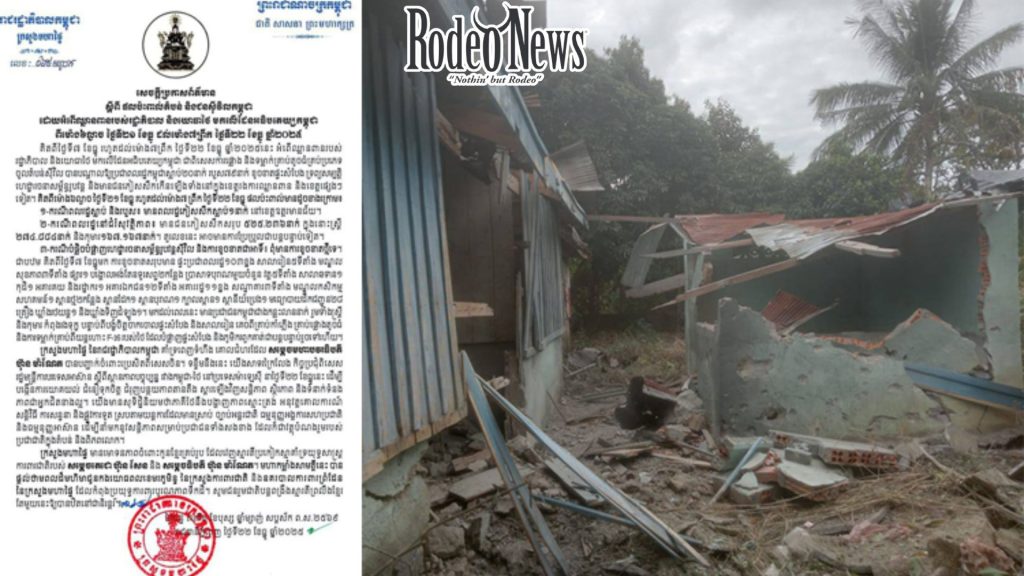
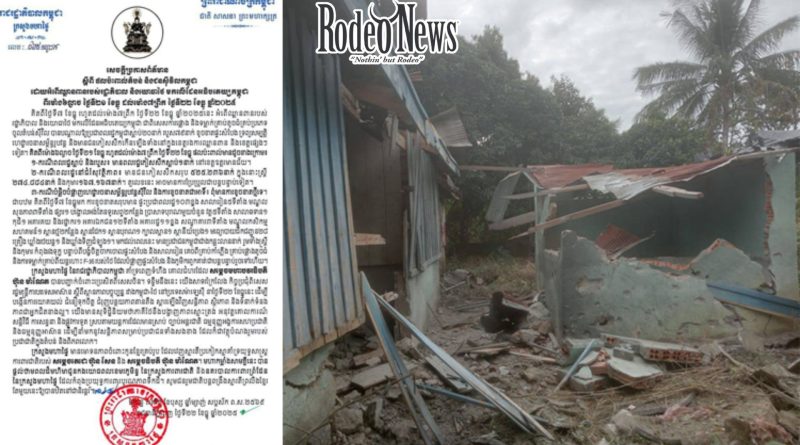
The Interior Ministry’s figures show that the latest displacement figures include over 274,000 women and more than 167,000 children, highlighting the scale of the crisis. Local reports also cited widespread damage to homes, schools, medical centers, administrative buildings, temples, bridges, and private property in affected provinces.
Cambodian officials describe the offensive as “brutal and indiscriminate,” asserting that the attacks have destroyed not only civilian infrastructure but also disrupted community life and essential services in border areas. While casualty figures vary between sources, the official Cambodian tally of 19 dead and 79 injured reflects only confirmed civilian fatalities so far.
The renewed hostilities come after earlier attempts to stabilize the border under a temporary peace agreement. Diplomatic tensions have surged, prompting calls from regional and international actors for restraint and renewed dialogue. ASEAN foreign ministers are scheduled to meet this week to pursue a negotiated ceasefire and address rising instability in the region.
Humanitarian organizations have warned that the scale of displacement — particularly among vulnerable populations — could aggravate food insecurity, health risks, and access to education for weeks or months if the conflict continues