Jim Beam Halts Production at Main Kentucky Distillery for 2026 Amid Trade Uncertainty
In a move that has sent ripples through the bourbon industry, Jim Beam—the world-renowned maker of bourbon whiskey—has announced that it will halt production at its main distillery in Kentucky for the entirety of 2026. The decision comes as the company looks to capitalize on a unique opportunity to invest in site enhancements, with a focus on long-term sustainability.
In a statement to the BBC on Sunday, Jim Beam’s parent company, Japanese beverage giant Suntory Global Spirits, explained that the production freeze would be used to implement necessary upgrades at the distillery. The brand emphasized that the move was part of its ongoing assessment of production levels to meet consumer demand, particularly as it prepares for the future.
“We are always assessing production levels to best meet consumer demand and recently met with our team to discuss our volumes for 2026,” Jim Beam said.
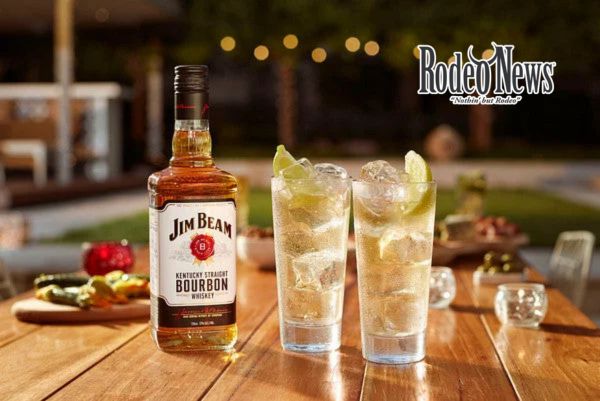
While production will pause at the flagship distillery, the company has confirmed that other operations in Kentucky will continue as usual. These include a separate distillery, as well as bottling and warehousing plants. The visitor center in Kentucky will also remain open to the public, ensuring the brand’s iconic connection to its heritage continues to thrive.
Trade Uncertainty and Global Challenges
The announcement of the production pause comes at a time when bourbon distillers in Kentucky are facing significant challenges, largely driven by ongoing trade tensions. The trade policies of former US President Donald Trump, particularly his tariffs on foreign goods, have had a profound impact on US distillers, with retaliatory import taxes affecting American spirits worldwide.
In particular, Kentucky’s bourbon industry has been significantly affected by retaliatory tariffs from key global markets, including the European Union. The Kentucky Distillers’ Association (KDA) reported in October that the amount of bourbon in warehouses across the state had reached a record high of over 16 million barrels. However, this surplus comes with a cost: bourbon producers have had to bear a “crushing” $75 million burden in taxes this year alone due to the state’s barrel tax.
“Much of the expansion over the last decade has been geared towards global growth,” said the KDA in a statement, calling for a swift return to tariff-free trade. “A speedy return to reciprocal, tariff-free trade would benefit the entire bourbon industry, and we remain hopeful that global trade relations will improve in the near future.”
Worker Impact and Union Talks
While Jim Beam’s other Kentucky-based operations remain unaffected, the shutdown of the main distillery raises concerns for the workers employed at the site. The company has said that it is actively engaged in discussions with its workforce and the local union to determine how to best utilize its employees during the production pause.
The decision also signals that Jim Beam, which employs more than 1,000 people across its Kentucky sites, is taking proactive steps to manage its workforce through this period of inactivity. The company has not yet specified whether there will be any layoffs but has assured the public that it will explore options to mitigate the impact on its workers.
A Shifting Landscape for Kentucky Bourbon
The production pause at Jim Beam underscores a shifting landscape for Kentucky’s bourbon industry. With the state’s bourbon barrels nearing capacity, and trade tariffs creating significant financial pressure, the distilling sector is in a state of flux. As companies like Jim Beam adjust their production plans, many are hoping for a resolution to trade disputes that have left the bourbon market uncertain.
Despite these challenges, Kentucky remains the heart of bourbon production, with distillers working to navigate a volatile market. The continued growth of bourbon exports globally has put the industry on the map as one of the most iconic American exports, and companies are focusing on long-term strategies to ensure their resilience.
Looking Ahead: The Future of Bourbon Production
For now, Jim Beam’s decision to halt production at its main distillery in Kentucky represents a significant shift for the brand. However, the company’s focus on site improvements and long-term planning indicates confidence in the future of the bourbon industry. As the global landscape for spirits continues to evolve, distillers will be closely watching how trade relations, consumer demand, and operational adjustments impact the world of bourbon in 2026 and beyond.