Taliban Accuses Pakistan of Deadly Drone Strikes Amid Ceasefire Agreement
Kabul, Afghanistan —
Afghanistan’s Taliban-led government has accused Pakistan of launching two drone strikes on Kabul, just hours before both countries agreed to a ceasefire following several days of deadly cross-border fighting.
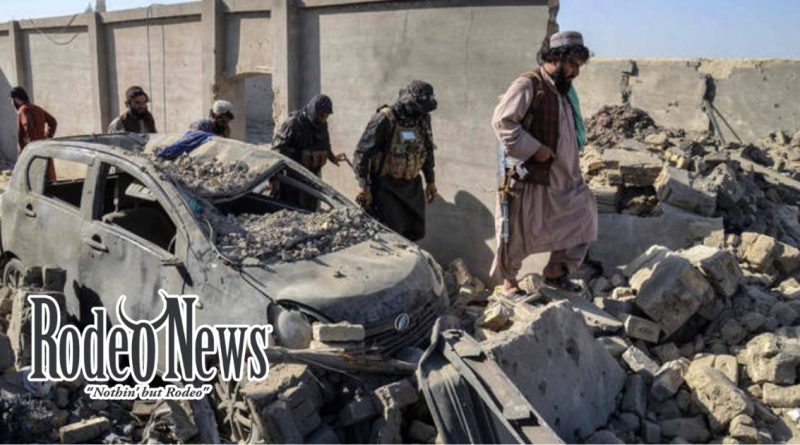
According to Afghan officials, the strikes occurred Wednesday afternoon, hitting a residential area and a local market in Kabul. While the Taliban initially attributed the incident to an oil tanker explosion, later statements from authorities confirmed aerial drone attacks allegedly carried out by Pakistani forces.
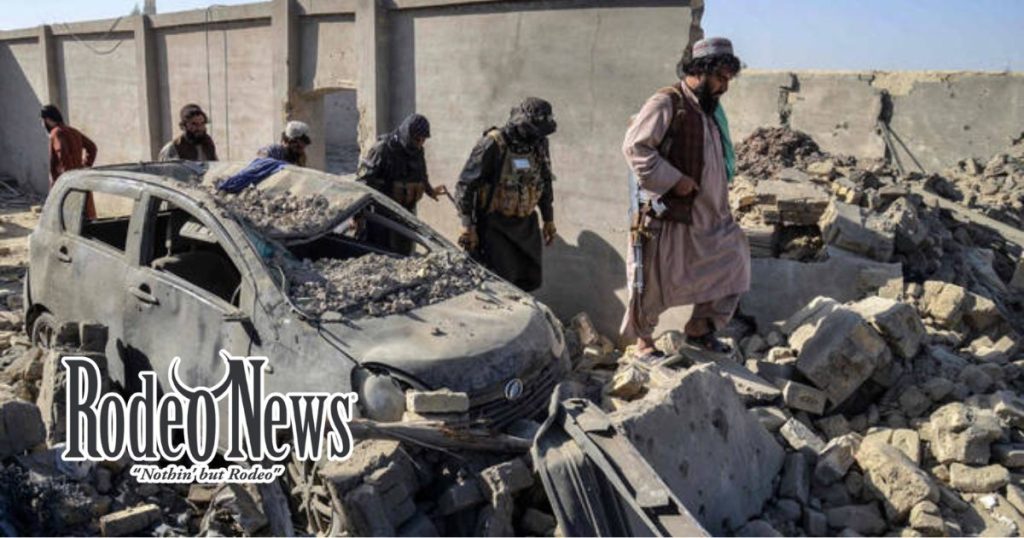
“The drones targeted a civilian house and a market,” said Khalid Zadran, spokesperson for the Kabul police chief. Local hospitals reported at least five fatalities and dozens of injuries, with victims suffering from shrapnel wounds, burns, and blunt force trauma, according to the humanitarian group Emergency.
Ceasefire Amid Rising Tensions
The ceasefire agreement, announced late Wednesday, comes after the worst round of hostilities between the two neighbors since the Taliban returned to power in August 2021. Cross-border clashes this week alone have claimed dozens of lives and left hundreds injured, straining already fraught diplomatic ties.
The United Nations Assistance Mission in Afghanistan (UNAMA) welcomed the ceasefire on Thursday, urging both sides to pursue a permanent solution to the violence. The mission reported 37 civilian deaths and 425 injuries in Afghan provinces impacted by shelling and gunfire, including Paktya, Paktika, Kunar, Khost, Kandahar, and Helmand.
“UNAMA calls on all parties to bring a lasting end to hostilities to protect civilians and prevent further loss of life,” the mission said in a statement.
Pakistan Silent on Accusations
Islamabad has not officially responded to the Taliban’s claim of drone involvement. However, Pakistani officials speaking on condition of anonymity told The Associated Press that Pakistani security forces had targeted militant hideouts across the border on Wednesday.
The officials said the strikes were in retaliation for attacks launched from Afghan territory, a recurring point of tension. Pakistan has long accused the Taliban of sheltering militant groups responsible for attacks on its soil—allegations the Taliban consistently deny.
Ongoing Security Crisis
The Durand Line, the 2,611-kilometer (1,622-mile) border between Afghanistan and Pakistan, remains a flashpoint. Afghanistan has never formally recognized the border, which continues to fuel disputes and armed engagements.
Since early October, violence has surged along the frontier. Both governments claim to be responding defensively to incursions by armed groups, with Islamabad reporting the killing of dozens of militants who allegedly crossed into Mohmand district in Pakistan’s Khyber Pakhtunkhwa province on Thursday.
The Taliban’s seizure of power in 2021 has coincided with a sharp increase in terrorist incidents inside Pakistan, particularly in tribal regions near the border. Islamabad argues that terrorist safe havens in Afghanistan are enabling attacks, while Kabul accuses Pakistan of violating its sovereignty through unauthorized airstrikes.
Regional Impact and Global Concern
The flare-up in violence prompted urgent appeals from regional powers and international organizations. Fears are growing that militant groups like al-Qaeda and Islamic State-Khorasan (IS-K) could exploit the instability to rebuild networks in the region.
Key border crossings between the two countries remained shuttered on Thursday, further hampering trade and humanitarian access.
While the temporary ceasefire offers a glimmer of relief, analysts warn that without a comprehensive border agreement and greater cooperation on counterterrorism, the cycle of retaliatory violence may soon resume.