Supreme Court to Hear Landmark Trump Tariffs Case This November
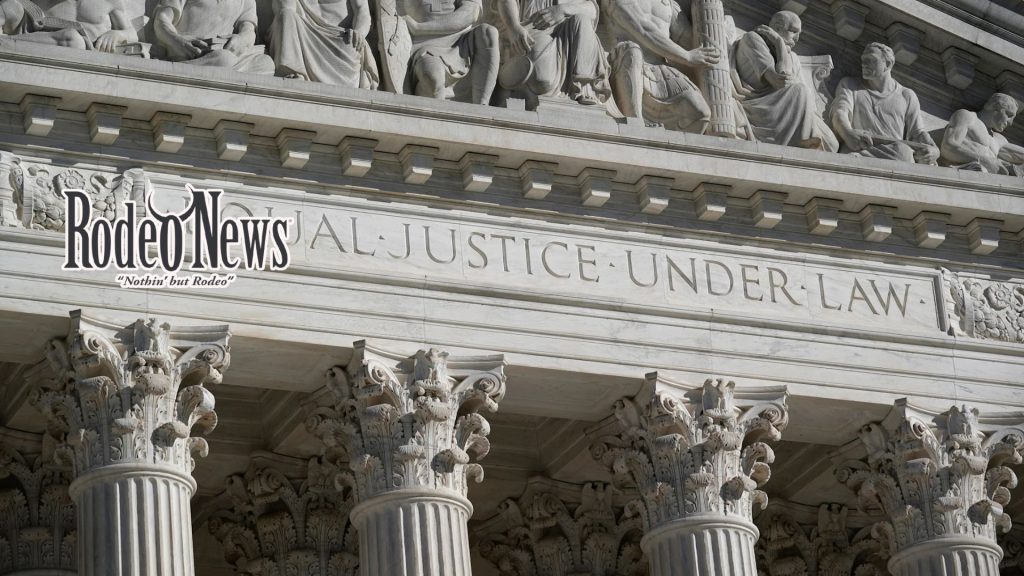
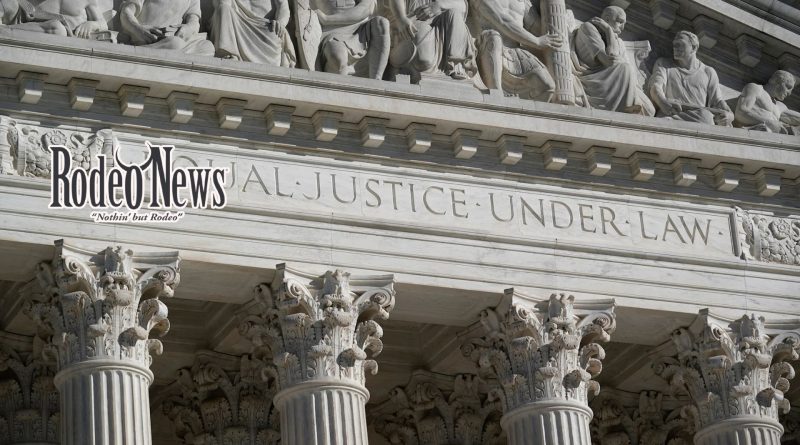
The Supreme Court of the United States is set to hear a pivotal case in early November challenging the legality of broad tariffs imposed by President Donald J. Trump, a move that could reshape the boundaries of executive power in economic policy.
A fast-tracked showdown
In a rare move, the Court accelerated the timetable for hearing the case, granting the administration’s request to move on an expedited basis. Oral arguments are scheduled for the first week of November.
The underlying dispute stems from a lower-court ruling that found President Trump exceeded his authority under the International Emergency Economic Powers Act (IEEPA) when he imposed sweeping tariffs under the guise of an emergency power statute.
The core legal question
At heart is the question: Does the President have the authority to impose broad tariffs absent explicit congressional authorization? A federal appeals court concluded the answer is no, finding that the emergency statute does not provide an open-ended delegation of tariff power to the executive.
If the Supreme Court affirms that ruling, it could dramatically constrict a major pillar of the Trump administration’s trade policy and underscore congressional primacy in economic regulation.
Why this matters
The decision has wide-ranging implications:
For the administration, it tests one of its signature economic tools — large-scale tariffs on imports — and whether those can be defended under emergency powers rather than legislation.
For Congress, it raises the question of whether legislative authority over tariffs remains central or if the executive can act unilaterally.
For broader separation-of-powers concerns, the case offers a spotlight on how the courts balance sweeping executive actions with statutory limits and democratic accountability.
Timing and broader context
This case comes at a moment when the Supreme Court is already reviewing multiple major challenges tied to presidential power.
By moving quickly and placing the tariffs case on a fast-track, the Court signals the urgency and high stakes of the dispute.
Observers note that if the Court acts before mid-2026, it could significantly influence the trade landscape and industrial planning in the meantime.
What to watch
The scope of the justices’ questioning: will they focus narrowly on the emergency power statute, or broadly on executive-legislative balance?
The outcome: A ruling for the administration would affirm blunt executive power in trade; a decision for the challengers would reinforce heightened congressional control of tariffs.
The dissenting views (if any) and how they might signal future cases about executive action beyond trade.
This case has the potential to become a landmark for executive-power jurisprudence. If you like, I can prepare a detailed explainer breaking down the legal history of IEEPA, how courts have treated tariff power, and what this decision might mean for future presidential actions. Would you like that?