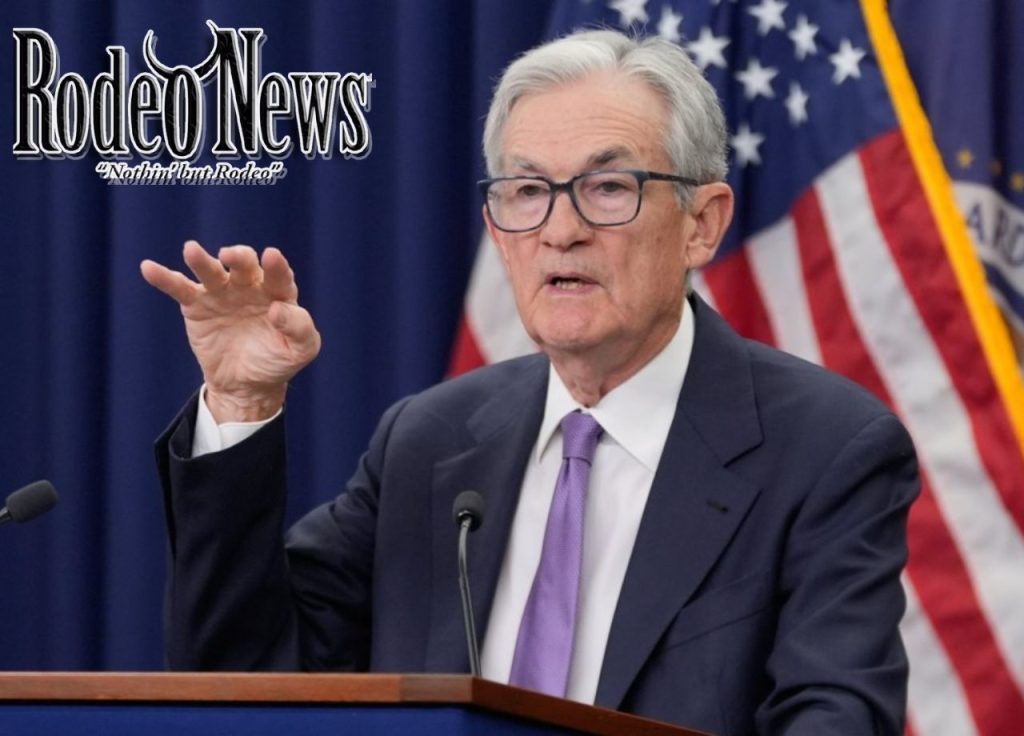
WASHINGTON — The Federal Reserve cut its key interest rate by a quarter-point on Wednesday, lowering it to about 3.9%, in an effort to support employment and economic growth amid an environment of persistent inflation. AP News+2Boston.com+2
However, Fed Chair Jerome Powell stressed that additional rate cuts are not locked in. He noted that the central bank is operating with unusually limited data due to the ongoing government shutdown, and there are “strongly differing views” among officials regarding the path ahead.
Why the cut?
The backdrop for the decision is unusual: hiring growth has weakened significantly, with monthly job gains averaging roughly 29,000 over several months before the shutdown-related data gap. At the same time, inflation remains above the Fed’s long-term target of 2%.
By reducing rates, the Fed hopes to ease borrowing costs for mortgages, auto loans, credit cards and business loans — thereby supporting household spending and job creation. But at the same time, the Fed must be careful not to stimulate the economy so much that inflation reignites.
Why the uncertainty?
- The government shutdown has disrupted key economic reports on jobs, inflation and consumer spending — making the Fed’s decision-making more challenging. AP News
- Among the 12 voting members of the Fed’s rate-setting committee, two dissented: one preferred no change, the other favoured a larger cut. Newsweek
- Powell said that unlike prior situations where rate cuts were expected or scheduled, now the committee is proceeding “data-dependently” and with more caution. The Associated Press
What this means for consumers and markets
Lower rates could gradually reduce the cost of borrowing for households and businesses, offering some relief for those planning big purchases or refinancing. But because the cut is modest and the Fed signalled no guarantee of further easing, the immediate impact may be muted.
Financial markets reacted by pulling back slightly: stocks edged lower after Powell’s comment that December’s meeting will hinge on fresh data. News
The balancing act ahead
The Fed is navigating a tricky path: on one side, the labour market shows signs of softening; on the other side, inflation — though easing in some categories such as rents and services — remains elevated. News
As Powell put it: the committee must weigh “the risks to employment” and “the risks to inflation” in tandem — without clear visibility on either due to data gaps. Federal Reserve
Conclusion
With today’s rate cut, the Fed has signalled a tilt toward supporting jobs and growth. But by emphasising the uncertainty ahead and the need for fresh data, it makes clear that additional cuts are contingent, not pre-ordained. For borrowers and investors, this means a small easing of financial conditions — but little in the way of assured future relief.
If you like, I can also prepare a sidebar summary, bullet-list key takeaways, or infographic suggestion for this article to enhance the WordPress post. Would you like that?