Britons Evacuated from Jamaica as UK Sends Hurricane Melissa Aid
A UK-chartered flight is set to land at London’s Gatwick Airport on Sunday, carrying British nationals who were evacuated from Jamaica in the wake of Hurricane Melissa, one of the most destructive storms to hit the Caribbean in recent years. The flight, which departed from Kingston’s Norman Manley International Airport on Saturday, marks a critical step in the UK government’s ongoing effort to support citizens stranded on the island.
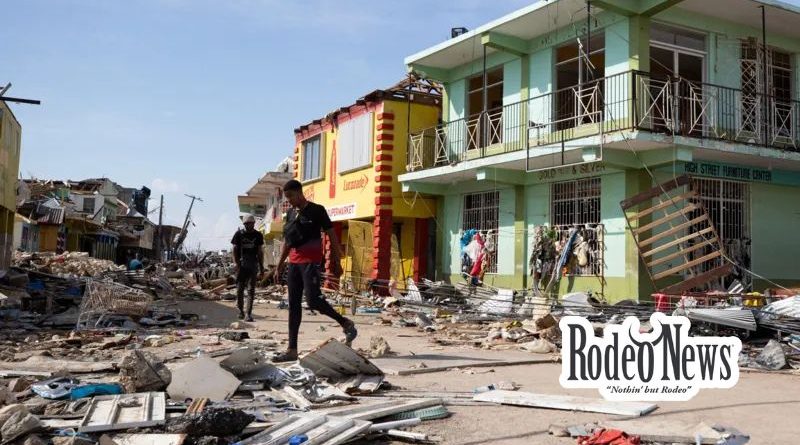
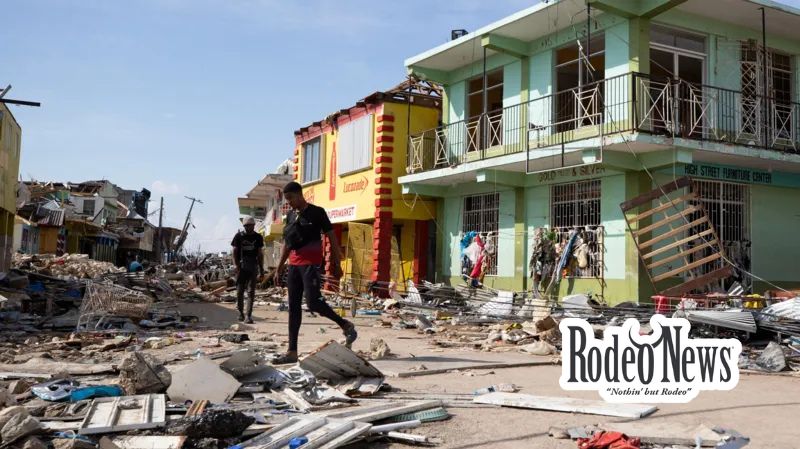
The evacuation comes as part of the UK’s broader emergency response to the devastating effects of Hurricane Melissa, which struck Jamaica on Tuesday. The hurricane made landfall as a Category 5 storm, causing widespread destruction, killing at least 19 people, and leaving many areas unrecognizable. In addition to the evacuation, the UK government has provided a £7.5 million regional emergency aid package to assist in the relief efforts.
Devastation Across Jamaica
Hurricane Melissa, a fierce and powerful storm, swept across Jamaica, causing severe damage to infrastructure, homes, and essential services. Roads have been blocked by landslides and fallen trees, complicating the distribution of critical aid to the affected regions. Many communities are still cut off from help, and nearly 8,000 British nationals were estimated to be in Jamaica when the storm made landfall.
Jamaica’s Information Minister, Dana Morris Dixon, described the situation on Friday as dire, with entire communities marooned and some areas “flattened” by the force of the storm. The impact of Melissa was felt not only in Jamaica but across the Caribbean, with neighboring Haiti and Cuba also suffering significant damage. In Haiti, the death toll from the storm has risen to at least 30, while Cuba faces widespread flooding and landslides.
UK Government Response
In response to the growing crisis, the UK government has mobilized significant resources to support both its citizens and the wider region. An initial £2.5 million was allocated to provide immediate financial assistance, followed by an additional £5 million announced by Foreign Secretary Yvette Cooper on Friday. The funds are being directed toward relief organizations like the International Federation of Red Cross and Red Crescent Societies (IFRC), which has been on the ground in Jamaica, leading search and rescue operations and coordinating efforts to deliver essential supplies such as food, water, and medical aid.
Some of the aid has already arrived in Jamaica, but logistical challenges remain. With power still out in many areas, the situation remains critical, particularly in emergency shelters where around 6,000 people have sought refuge. The Red Cross also reports that 72% of the population is still without electricity, making the distribution of aid even more urgent.
Royal Donations Boost Relief Efforts
In a gesture of solidarity, King Charles and Queen Camilla have personally donated to the International Red Cross and Red Crescent. Their contribution will help the organization continue its life-saving work in Jamaica, which includes providing healthcare, clean water, and shelter for those displaced by the storm. The Royal Family’s involvement has brought further attention to the ongoing humanitarian crisis, encouraging others to contribute to the relief efforts.
The UK Foreign Office has also urged British nationals still in Jamaica to register their whereabouts with authorities, offering guidance on evacuation routes and commercial flight options. Many Britons have found themselves stranded, with limited options for returning home as commercial flights have been disrupted by the storm’s aftermath.
Struggling Healthcare System and Infrastructure
As the island continues its recovery, the strain on Jamaica’s healthcare system has become a significant concern. Dr. Christopher Tufton, the country’s Health Minister, described the damage to several hospitals, with Black River Hospital in St. Elizabeth being the most severely affected. The facility has been forced to relocate services temporarily, focusing on preserving accident and emergency capabilities.
Dr. Tufton reported that many people have been seeking medical attention for trauma-related injuries, with injuries ranging from falls to puncture wounds caused by debris. To support the hospitals, the government has arranged for a steady supply of fuel and water, ensuring that essential services can continue despite the widespread damage.
Aid Distribution: A Slow Road to Recovery
While aid is being dispatched to Jamaica from various sources, including the UK and international organizations, the logistical challenges are immense. Power outages, landslides, and blocked roads have hindered efforts to deliver food, medical supplies, and other essentials to those in need. Aid organizations have had to rely on helicopters and truck convoys to reach the worst-hit areas, and it remains unclear when full recovery can be expected.
One of the worst-hit regions, Black River in western Jamaica, has begun receiving aid, with a seven-truck convoy from the Global Empowerment Mission leaving Kingston on Saturday. Volunteers from the Jamaican diaspora in Florida have helped organize humanitarian aid, which will be crucial in alleviating some of the immediate needs of the population. However, with so much damage to infrastructure, it will take time for the island to fully recover.
A Desperate Situation
The scarcity of basic resources has led to growing frustration among the population. Long queues for petrol and essential supplies have been reported across the island, with some people waiting hours only to be told that no fuel is available. The situation has become increasingly tense as communities struggle to access food, clean water, and medical care.
In some areas, there are reports of people entering supermarkets and taking what they can find, desperate to feed their families. The lack of power across much of the country has left many unable to even contact their loved ones, further exacerbating the crisis.
A Long Road Ahead
Despite the severe damage, Jamaican authorities and international aid groups are committed to bringing relief to the affected communities. The UK’s continued support, including the £7.5 million aid package, will play a critical role in the recovery process. The road to rebuilding will be long and challenging, but the response from governments, NGOs, and individuals alike offers hope for the future.
For those still stranded or impacted by Hurricane Melissa, patience and resilience will be key. While aid is beginning to reach the island, the full extent of the devastation is only just becoming clear. As efforts continue to assist the Jamaican people, the hope remains that the worst is now behind them, and the recovery can begin in earnest.