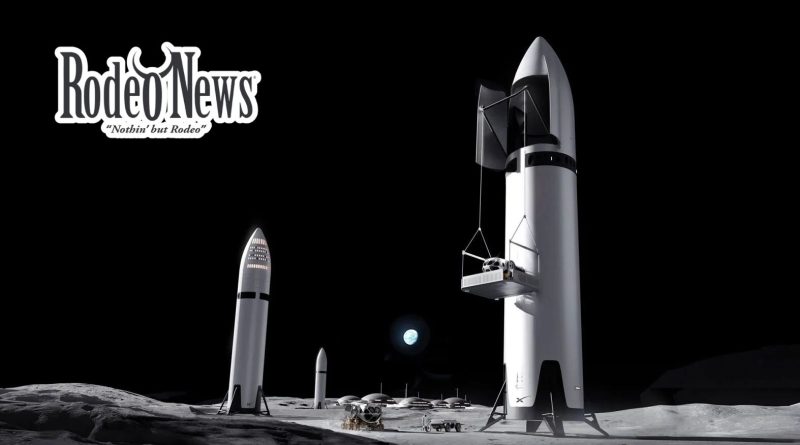
After Elon Musk’s Outbursts, SpaceX Focuses on ‘Simplified’ Starship-Based Lunar Lander Amid NASA’s Review
SpaceX Shifts Focus to “Simplified” Starship-Based Lunar Lander Amid NASA’s Concerns
SpaceX, led by Elon Musk, has made a strategic pivot in response to growing concerns from NASA about its Human Landing System (HLS) project. After a series of public outbursts from Musk—who lashed out at NASA officials over delays and the competitive landscape—SpaceX is now presenting a more constructive response, focusing on refining and simplifying its proposed lunar lander.
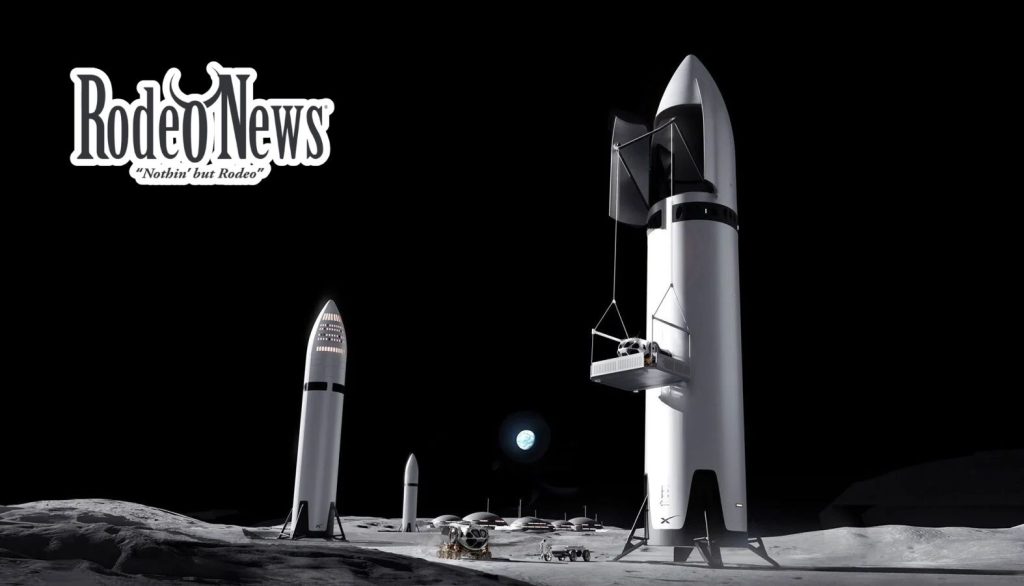
This shift comes as NASA evaluates proposals from SpaceX and its rival, Blue Origin, amidst rising concerns over China’s accelerating space program. As part of the ongoing efforts to return astronauts to the Moon under the Artemis program, NASA recently re-opened the lunar lander contract, sparking a flurry of responses from the private aerospace giants.
From Tantrums to Technical Solutions
In a surprising departure from Musk’s previous inflammatory remarks—where he mocked NASA’s acting administrator Sean Duffy as “Sean Dummy” on social media—SpaceX has now opted to focus on engineering solutions rather than public spats. The company is working on a “simplified” version of the Starship-based HLS, an initiative that has faced significant technical challenges since its inception.
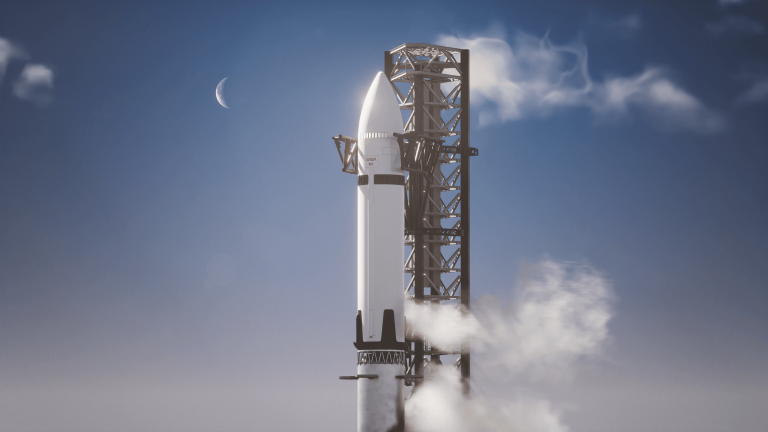
SpaceX’s HLS is intended to ferry astronauts from lunar orbit to the Moon’s surface and back, and it is based on the upper stage of the company’s massive, still-in-development Starship rocket. The update provided by SpaceX gives a rare, detailed glimpse into the status of various HLS components, such as life-support systems, airlocks, communications gear, and the elevator that will transport astronauts and cargo from the lander to the lunar surface.
The company also provided a timeline for a crucial orbital refueling test scheduled for 2026. Since Starship’s upper stage launches with its tanks mostly empty, it requires multiple refills from other Starships to reach the necessary fuel levels for lunar missions.
NASA’s Shift and Blue Origin’s Bid
NASA initially awarded SpaceX a $2.89 billion contract in 2021 to develop the HLS, a key part of the Artemis program. However, the timeline for the Artemis III mission, which aims to land astronauts on the Moon for the first time since 1972, has faced delays. The mission, now slated for 2028, was originally targeted for 2024, but SpaceX’s slower-than-expected progress and China’s accelerated space efforts have spurred NASA to reassess its options.
In response, NASA has opened up the contract to other bidders. Duffy, in a series of media appearances, even named Blue Origin as a potential alternative. Blue Origin, led by Jeff Bezos, already holds a $3.4 billion contract for its Blue Moon Mark 2 lander, which is designed for later Artemis missions.
However, SpaceX’s HLS remains the preferred option for many at NASA, with the company’s updated proposal emphasizing that its Starship-based lander is still the “fastest path” to returning humans to the Moon and establishing a permanent lunar presence.
SpaceX’s Reworked Vision: Speed, Simplicity, and Safety
SpaceX’s updated proposal aims to simplify its mission architecture, responding to NASA’s concerns about the project’s scope and complexity. “Since the contract was awarded, we have been consistently responsive to NASA as requirements for Artemis III have changed and have shared ideas on how to simplify the mission to align with national priorities,” SpaceX said in its statement.
The company’s focus on improving crew safety and accelerating the return to the Moon is a direct response to NASA’s call for more streamlined and efficient designs. While the specifics of the simplified lander were not disclosed, the emphasis on a faster timeline and enhanced safety indicates SpaceX’s commitment to meeting NASA’s revised goals.
NASA’s Evaluation Process
NASA’s spokeswoman, Bethany Stevens, confirmed that the space agency is now reviewing new proposals from both SpaceX and Blue Origin. A committee of NASA experts will evaluate the plans, assessing which proposal offers the best path forward for the Artemis III mission.
In addition to reviewing the SpaceX and Blue Origin submissions, NASA will also issue a Request For Information (RFI) to the broader aerospace industry, inviting new ideas and solutions to help meet the urgent national security concerns surrounding the Moon.
As geopolitical tensions escalate and China pushes forward with its own space ambitions, NASA’s decision on the lunar lander will have broader implications for the future of international space exploration. The U.S. government’s ability to maintain its leadership role in space hinges on the successful return of astronauts to the Moon—and SpaceX’s revamped approach to the HLS project may be the key to making that vision a reality.