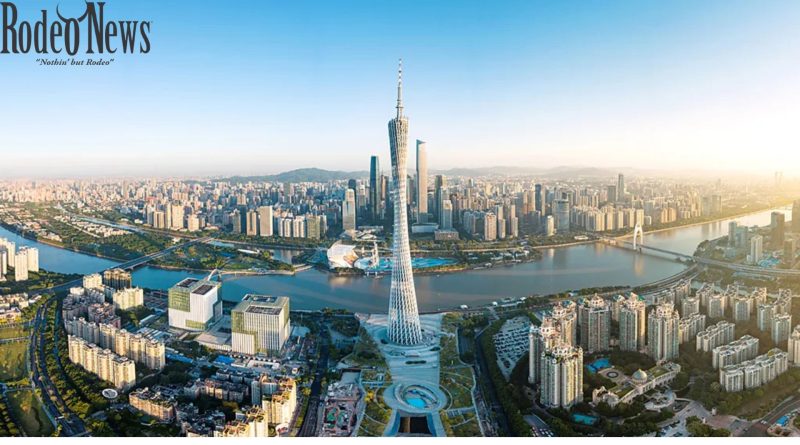
Life in the World’s Smartest Cities — What It Really Feels Like
In recent years, the idea of the “smart city” has moved from concept to reality. City planners, tech-companies and governments are increasingly deploying sensors, data analytics and connectivity to make urban life more efficient, sustainable and liveable. But what does this mean for the people who actually live in those cities?
Smart infrastructure, smarter routines
In these advanced urban environments, day-to-day life is subtly different. Traffic lights adjust in real time, public transport follows optimized schedules, and citizens often rely on apps for everything from waste collection to parking availability. The result: less time waiting, fewer surprises and more fluid movement through the city.
Quality of life gains
Living in a smart city often means better air quality monitoring, efficient energy use and built-in resilience. For residents this translates into benefits such as more reliable services, cleaner streets, reduced emissions and smoother commutes. These gains are especially meaningful in cities that have historically struggled with congestion, pollution or service reliability.
The trade-offs
However, the shift also brings trade-offs. Because smart cities depend on collecting and analysing data, issues around privacy, surveillance and control become more salient. Moreover, the cost of deploying and maintaining the infrastructure — from sensors to broadband to data platforms — can affect public budgets or lead to unequal access. And while many services improve, they can also introduce complexity or require citizens to adapt to new behaviours.
A personal lens on smart city living
Imagine waking up in an apartment that automatically adjusts temperature based on your schedule; catching an autonomous shuttle that knows the quickest route; and checking an app that shows park occupancy, air quality and energy use for your neighbourhood. That kind of scenario is increasingly common in today’s smartest urban centres. Many residents describe living in such a city as “efficient but engineered” — pleasant in many ways, but also structured.
Social and human-scale aspects
Despite the high tech, human factors remain critical. Smart cities that invest in walkable neighbourhoods, vibrant public spaces and community engagement tend to feel more comfortable than those focused solely on efficiency. The best smart cities strike a balance: using technology to support human interactions, not replace them.
Looking ahead
As more cities embrace the “smart” label, the challenge will be to ensure that the benefits reach all residents — not just those in high-income neighbourhoods. It will also be important to maintain transparency, protect privacy and preserve the sense of spontaneity, culture and community that make cities more than machines. In life in the smartest cities, technology enables new possibilities — but the human experience remains what matters most.