U.S. to Withdraw Some Troops from NATO’s Eastern Flank, Romania Says
Romania Says U.S. Will Withdraw Some Troops from Eastern Flank
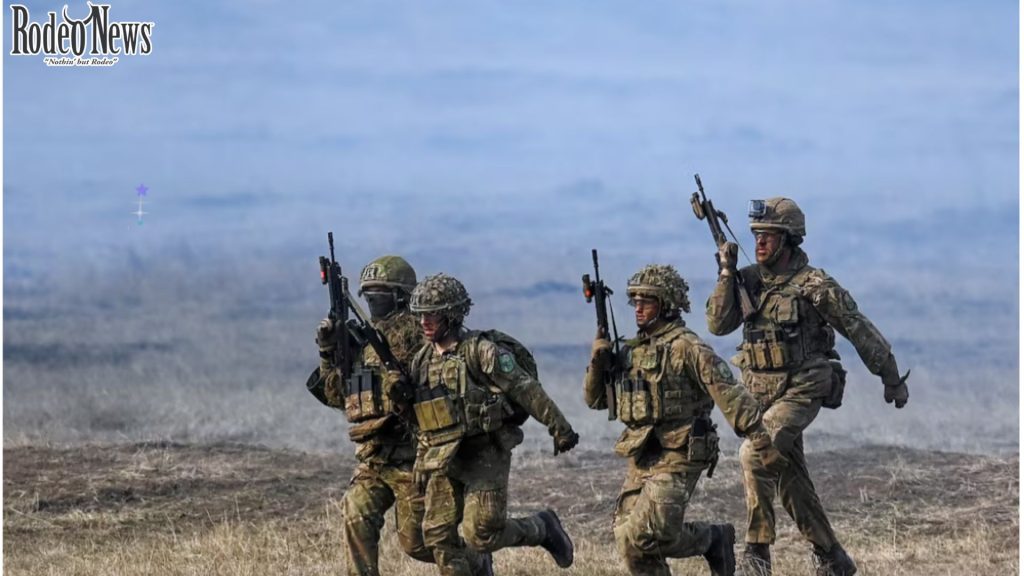
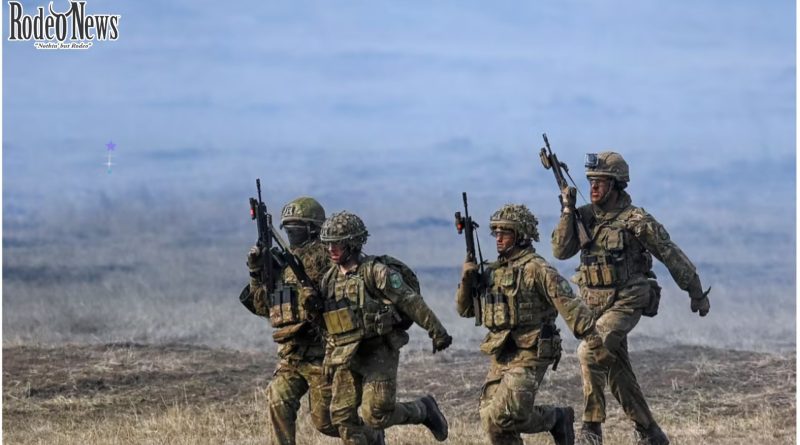
Bucharest — The North Atlantic Treaty Organization (NATO) member state of Romania has been notified by the United States of plans to cut the number of U.S. troops stationed on Europe’s eastern flank, including personnel linked to the brigade rotation at the Mihail Kogălniceanu Air Base near the Black Sea.
The decision, announced by Romania’s defence ministry on Wednesday, reflects the U.S. reassessment of its overseas force posture, and highlights NATO’s strengthened deterrence capabilities in the region.
What We Know
The U.S. will stop rotating a brigade with elements in multiple NATO countries, Romania’s defence ministry said.
Despite the reduction, about 1,000 U.S. troops will remain in Romania.
The exact number of troops being withdrawn was not specified.
The move comes as NATO argues that its presence on the eastern flank has become more consolidated — allowing member states, including the U.S., to “adjust their military posture in the region”.
The U.S. shift aligns with its broader strategic focus on securing its own borders and devoting more attention to the Indo-Pacific region.
Context & Implications
For years, the U.S. has maintained rotating brigades and additional troops in Europe as part of NATO’s deterrence posture, particularly given Russia’s war in Ukraine and increased focus on the alliance’s eastern flank. The rotation at Mihail Kogălniceanu and other locations has served as a forward presence and reassurance to Eastern European allies.
With Europe’s deterring capacity now more robust, the U.S. believes it can scale back some of its rotating forces in the region without undermining deterrence. By continuing to station around 1,000 troops in Romania, Washington signals it is not abandoning its European commitments — but shifting resources and priorities.
For Romania and neighbouring countries, the announcement raises questions about the nature of their security guarantees and how NATO will distribute forces across the flank going forward. It also underscores the alliance’s evolving burden-sharing dynamics, with Europe expected to play a larger role in its own defence.
What’s Next
NATO officials are expected to clarify how the alliance will compensate for the reduction in U.S. rotational troops.
Romania may seek bilateral assurances or further integration with NATO’s forward defence infrastructure.
Stakeholders will watch for any adjustment in U.S. force posture elsewhere in Europe, particularly in Poland or the Baltic states, where U.S. officials have previously indicated stronger presence if needed.
This development marks a noteworthy shift in trans-Atlantic military arrangements, with the U.S. recalibrating its European deployment while underscoring that it will maintain a sizeable permanent presence in Romania.