Ukraine Grain Dispute Israel: 7 Key Facts Behind Rising Tensions
The Ukraine grain dispute Israel controversy has escalated into a major geopolitical flashpoint, as Kyiv accuses Israel of allowing the import of grain allegedly stolen by Russia from occupied Ukrainian territories. The dispute highlights not only wartime economic tensions but also the fragile diplomatic balance between allies navigating the ongoing Russia-Ukraine conflict.
According to Associated Press reporting, Ukrainian officials claim that ships carrying grain taken from occupied regions have reached Israeli ports, triggering warnings of sanctions and diplomatic fallout.
What Sparked the Ukraine Grain Dispute Israel Crisis?
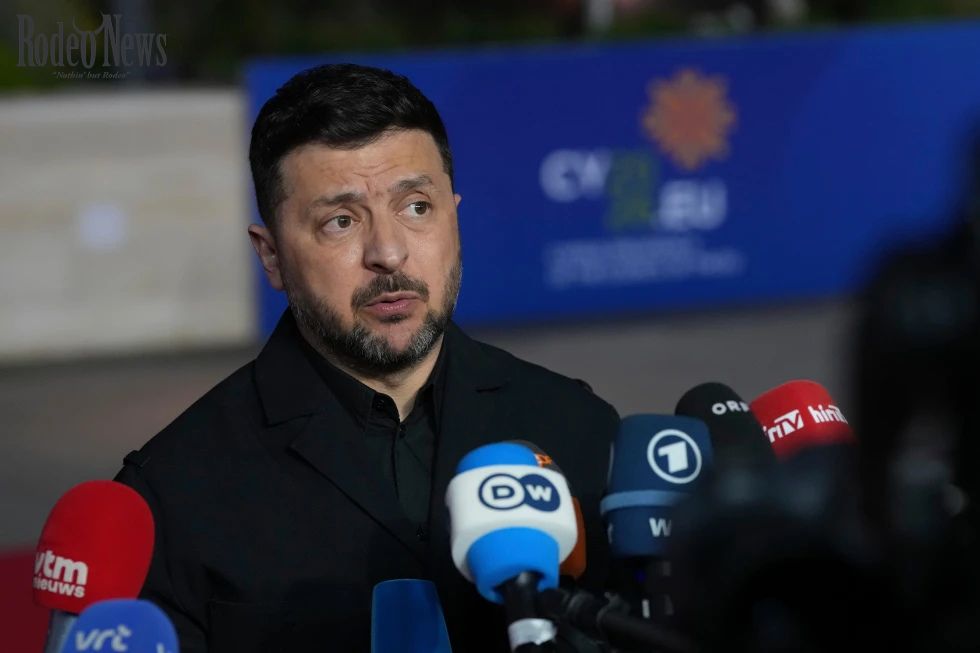
The current crisis began when Ukraine alleged that a vessel loaded with grain from Russian-occupied territories approached an Israeli port, reportedly preparing to unload its cargo. Ukrainian President Volodymyr Zelenskyy described the trade as illegal and warned that those involved could face sanctions.
Ukraine considers any agricultural goods taken from occupied regions—including areas seized since the 2022 invasion—as stolen property. This position is rooted in longstanding accusations that Russia has systematically exported Ukrainian grain through complex logistics networks.
However, Israeli authorities pushed back against the claims. Officials stated that the ship in question had not formally docked or completed required documentation procedures.
Israel’s Response: Denial and Demand for Evidence
Israel has firmly rejected accusations of knowingly importing stolen grain. Foreign Minister Gideon Sa’ar criticized Ukraine’s approach, arguing that Kyiv failed to provide sufficient legal evidence through official channels.
Israeli officials emphasized that any action must be based on verifiable documentation rather than public accusations.
This response reflects Israel’s broader legal stance: without clear proof, authorities cannot detain ships or confiscate cargo. The disagreement over evidence has become a central sticking point in the dispute.
Ukraine’s Counterargument: “Systemic” Illegal Trade
Ukraine insists it has already shared detailed intelligence with Israeli authorities. Officials argue the issue is not isolated but part of a broader, ongoing system of illicit trade.
Ukraine’s Foreign Ministry claims:
- Multiple shipments have reached Israel
- Authorities were notified in advance
- Evidence of illegal origin was provided
Kyiv also alleges that traders use concealment tactics such as ship-to-ship transfers to obscure the grain’s origin, making enforcement more difficult.
As a result, Ukraine has summoned Israel’s ambassador and issued formal protests, signaling the seriousness of the dispute.
The Role of Russia in the Grain Controversy
At the heart of the Ukraine grain dispute Israel issue is Russia’s control over occupied Ukrainian territories. Since the full-scale invasion began in 2022, Ukraine has repeatedly accused Russia of seizing agricultural products and exporting them internationally.
Investigations suggest that large volumes of grain have been:
- Extracted from occupied regions
- Transported through Russian-controlled ports
- Mixed with legitimate supplies to mask origin
This practice complicates global tracking systems, as once grain is blended, verifying its source becomes nearly impossible.
Russia has largely avoided direct comment on the specific allegations, maintaining ambiguity over the legality of such exports.
European Union and International Reaction
The dispute has drawn attention from the international community, particularly the European Union. EU officials have condemned any activity that could support Russia’s war effort or circumvent sanctions.
Brussels has warned that individuals or entities involved in such trade could face punitive measures.
Meanwhile, the controversy underscores broader concerns about global food supply chains and the integrity of agricultural trade during wartime.
Potential Sanctions and Diplomatic Fallout
Ukraine has signaled it is preparing a sanctions package targeting:
- Shipping companies transporting the grain
- Businesses profiting from the trade
- Individuals facilitating transactions
President Zelenskyy has also indicated coordination with European partners to expand sanctions beyond Ukraine’s jurisdiction.
If implemented, these measures could:
- Strain Ukraine-Israel relations
- Impact trade networks in the region
- Increase scrutiny of global grain markets
The dispute may also influence Israel’s diplomatic positioning between Ukraine and Russia, a balance it has carefully maintained throughout the war.
Why This Dispute Matters Globally
The Ukraine grain dispute Israel situation extends far beyond bilateral tensions. It raises critical global issues:
1. Food Security Risks
Ukraine is one of the world’s largest grain exporters. Disruptions to its supply chain affect global food prices and availability.
2. Sanctions Enforcement
The controversy highlights loopholes in tracking commodities during conflict, especially when goods are mixed or rerouted.
3. Legal and Ethical Trade Questions
The case raises fundamental questions about responsibility in international trade—particularly when dealing with goods from conflict zones.
A Complex Diplomatic Balancing Act
Israel finds itself in a delicate position. While it has supported Ukraine in various international forums, it also maintains strategic relations with Russia.
This balancing act complicates decision-making, especially when disputes involve economic activities rather than direct military support.
At the same time, Ukraine is under pressure to protect its economic resources and prevent what it sees as exploitation of occupied territories.
What Happens Next?
The Ukraine grain dispute Israel issue is unlikely to be resolved quickly. Several scenarios could unfold:
- Increased diplomatic negotiations between Kyiv and Jerusalem
- Formal investigations into grain shipments
- Expanded sanctions targeting global supply chains
- Greater EU involvement in enforcement measures
Much will depend on whether Ukraine can provide evidence that meets Israel’s legal standards—and whether international pressure intensifies.
Conclusion: A Dispute With Global Consequences
The Ukraine grain dispute Israel controversy illustrates how economic issues can quickly escalate into geopolitical crises during wartime. What began as a disagreement over a single shipment has evolved into a broader confrontation involving sanctions, international law, and global trade systems.
As tensions rise, the outcome of this dispute could set important precedents for how the world handles contested resources in conflict zones. It also serves as a reminder that in modern warfare, battles are fought not only on the battlefield—but also in ports, markets, and diplomatic arenas.